
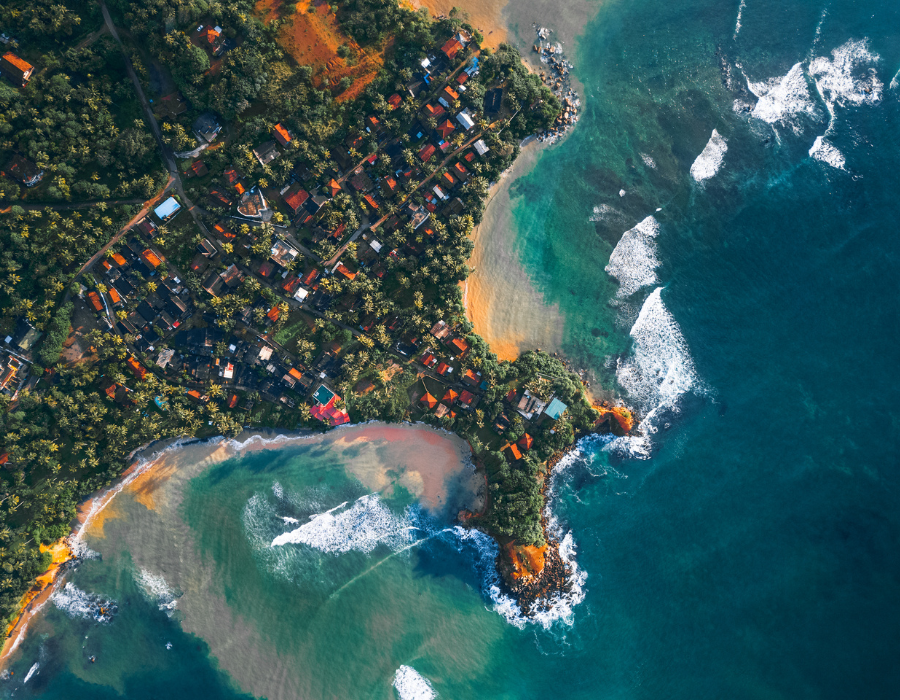
Hey surfers! Looking for the perfect waves to kick off 2026?
January is one of the best months to score incredible surf around the globe. While the Northern Hemisphere fires up with powerful winter swells, tropical destinations offer warm water perfection and consistent conditions.
Whether you want heavy barrels in cold water or mellow tropical rollers in boardshorts, January delivers options for every style and skill level.
Here are the five of the best surfing destinations to target this January.
- 1. Costa Rica (Pacific Coast)
- 2. Sri Lanka (South Coast)
- 3. Morocco (Atlantic Coast)
- 4. Canary Islands (Fuerteventura and Lanzarote)
- 5. Barbados (South Coast)
- 6. Key Statistics: January Surfing Conditions
- 7. How to surf safely in January (by level)
- 8. Surf spots in January: locals and the environment
- 9. Summary

Costa Rica (Pacific Coast)
Costa Rica in January is about as good as surf travel gets.
The Pacific side hits its dry season sweet spot, delivering consistent swells, offshore winds, and water warm enough to surf in boardshorts all day.
Spots like Tamarindo and Nosara provide forgiving beach breaks perfect for learners, while places like Playa Hermosa and Pavones challenge experienced surfers with punchy, powerful waves.
The vibe is relaxed, the beaches are gorgeous, and you can surf multiple sessions daily without ever needing neoprene.
Does Costa Rica already sound good to you? Check out our article listing the best surf spots in Costa Rica!

What are the best surf spots in Costa Rica?
This table gives you approximate ranges to help with planning.
These are rough estimates, so always check current conditions and stay cautious when choosing your spot.
| Spot | Skill Level | Wave Size (meters) | Best Months |
| Tamarindo (best surf spots in Tamarindo) | Beginner to Intermediate | 0.5 to 2.0m | Dec to Apr |
| Nosara (Guiones) | Beginner to Intermediate | 0.8 to 2.5m | Nov to Apr |
| Santa Teresa (best surf spots in Santa Teresa) | Intermediate to Advanced | 1.0 to 3.0m | Dec to Apr |
| Playa Hermosa (Jaco) | Advanced to Expert | 1.5 to 4.0m | Dec to Apr |
| Pavones | Advanced | 1.0 to 3.0m | Apr to Oct |

Sri Lanka (South Coast)
Sri Lanka lights up in January with warm tropical conditions and smooth, playful waves along the south coast.
Weligama and Midigama are the go to zones, offering mellow reefs and sandy bays that suit intermediate surfers perfectly.
The crowds are manageable compared to peak season, the prices stay reasonable, and the island culture adds something special to the whole experience.
You can progress your skills in forgiving conditions while enjoying one of the most beautiful coastal settings anywhere.
Already sound good? Read our guide on the best surf spots in Sri Lanka!
What are the best surf spots in Sri Lanka?
Here's a practical starting point for the main zones. Remember these are approximate guidelines, so always watch the lineup before paddling out and choose the safer option.
| Spot | Skill Level | Wave Size (meters) | Best Months |
| Weligama | Beginner to Intermediate | 0.5 to 1.8m | Nov to Apr |
| Midigama | Intermediate | 0.8 to 2.5m | Nov to Apr |
| Hikkaduwa | Intermediate to Advanced | 1.0 to 3.0m | Nov to Apr |
| Arugam Bay (East Coast) | Intermediate to Advanced | 1.0 to 3.5m | May to Oct |

Morocco (Atlantic Coast)
Morocco in January delivers serious winter surf with consistent Atlantic swells hitting the coastline daily.
The waves typically range from 1.5 to 3.0 meters, creating perfect conditions for intermediate and advanced surfers ready for some power.
Spots like Taghazout, Anchor Point, and Imsouane offer a mix of point breaks and beach breaks that work across different swell directions.
Beginners can still find sheltered zones on smaller days.
The weather stays pleasant with daytime temperatures around 18 to 23°C, and morning offshore winds keep the surf clean.
Shower gel bottles are really bulky and unkind to the places we travel to: there's enough plastic in the ocean as it is! That's partly why I started Rinsed™: pocket-sized bars to be fresh anywhere I go!


What are the best surf spots in Morocco?
This breakdown provides rough estimates to guide your planning. Conditions change daily, so check forecasts carefully and always prioritize safety over ambition.
| Spot | Skill Level | Wave Size (meters) | Best Months |
| Anchor Point | Advanced to Expert | 1.5 to 4.0m | Nov to Mar |
| Killer Point | Intermediate to Advanced | 1.0 to 3.0m | Nov to Mar |
| Imsouane (The Bay) | Beginner to Intermediate | 0.8 to 2.0m | Year round |
| Taghazout beaches | Beginner to Advanced | 0.5 to 3.0m | Year round |
| Dracula (Safi) | Expert only | 2.0 to 5.0m | Dec to Feb |

Canary Islands (Fuerteventura and Lanzarote)
The Canary Islands combine reliable January swell with pleasant weather and warm enough water to keep sessions comfortable.
Fuerteventura and Lanzarote both fire consistently during this month, offering spots for every level.
Flag Beach on Fuerteventura works brilliantly for beginners with both left and right hand waves, while Playa de Famara on Lanzarote gives intermediate surfers a long stretch of beach break options.
The water sits around 19 to 20°C, so a 2 to 3mm wetsuit handles it easily. Air temperatures reach 21 to 26°C during the day, making it feel more like endless summer.
What are the best surf spots in the Canary Islands?
Use this table as approximate guidance for trip planning. Always assess live conditions before entering the water and err on the side of caution with wave selection.
| Spot | Skill Level | Wave Size (meters) | Best Months |
| Flag Beach (Fuerteventura) | Beginner to Intermediate | 0.5 to 2.0m | Year round |
| El Cotillo (Fuerteventura) | Intermediate to Advanced | 1.0 to 3.0m | Oct to Apr |
| Playa de Famara (Lanzarote) | Beginner to Advanced | 0.5 to 2.5m | Year round |
| El Quemao (Lanzarote) | Expert only | 2.0 to 5.0m | Oct to Mar |

Barbados (South Coast)
Barbados in January offers warm Caribbean perfection with crystal blue water and fun, accessible waves.
The south coast works beautifully during this season, with spots like Freights delivering long left hand point break rides for intermediate surfers.
Surfers Point provides an ideal learning environment for beginners with fun, easy waves bending into the bay.
Water and air temperatures both hover around 28°C, meaning boardshorts and a rash vest are all you need.
The island vibe is relaxed, the beaches are stunning, and the waves stay consistent throughout the month.
What are the best surf spots in Barbados?
This table offers rough guidelines for the main zones. These are approximations to help with planning, so always check conditions and stay conservative with your choices.
| Spot | Skill Level | Wave Size (meters) | Best Months |
| Surfers Point | Beginner to Intermediate | 0.5 to 1.5m | Nov to Apr |
| Freights | Intermediate to Advanced | 1.0 to 2.5m | Nov to Apr |
| South Point | Advanced | 1.5 to 3.5m | Nov to Apr |
| Tropicale | Intermediate | 0.8 to 2.0m | Year round |

Key Statistics: January Surfing Conditions
Here's a quick reference table comparing the main factors across all five destinations.
These numbers are approximate and meant to help you choose the right location for your style and tolerance.
Water temperature and wave conditions can vary, so treat this as a starting guide only.
| Destination | Water Temp (°C) | Typical Wave Size (m) | Best For |
| Costa Rica | 26 to 28 | 0.5 to 3.0 | All levels, warm water lovers |
| Sri Lanka | 27 to 28 | 0.5 to 2.5 | Beginners to intermediates |
| Morocco | 17 to 20 | 1.5 to 3.0 | Intermediate to advanced |
| Canary Islands | 19 to 20 | 0.5 to 3.0 | All levels |
| Barbados | 26 to 27 | 0.8 to 2.5 | Beginners to intermediates |
How to surf safely in January (by level)
Picking conditions that match your actual ability matters more than chasing reputation spots.
January brings powerful swells to many regions, so staying honest about your limits keeps sessions fun instead of dangerous.
Beginner surfers
Stick to beaches with lifeguard services and surf during patrol hours.
Book lessons early in your trip to understand local conditions and hazards specific to that region.
If rips or currents look confusing or strong, ask instructors or locals before paddling out. Don't let ego push you into waves beyond your control.
Intermediate surfers
Keep sessions within your manageable range. If you're repeatedly getting worked or struggling to make it back outside, the conditions are too much for that day.
Give proper space in crowded lineups and respect priority rules.
Pay attention to tide swings and wind changes because tropical and Atlantic conditions can shift fast.
Advanced surfers
Do a complete assessment from the beach before entering. Identify channels, hazards, rip patterns, and how sets are breaking.
Surf with a partner when conditions are solid and establish clear signals and exit strategies beforehand.
When locals say conditions are too dangerous or not working properly, take their advice seriously and relocate.

Surf spots in January: locals and the environment
January brings traveling surfers to established communities worldwide. These places stay healthy when visitors show up with awareness and respect built in from day one.
Respect locals
Follow standard lineup etiquette everywhere you go. Don't drop in, don't snake, and don't paddle battle for position.
Watch how the rotation works before jumping into the peak. Keep interactions positive and brief when it's crowded or intense.
Don't paddle through impact zones or sit directly on top of positioned surfers. Be considerate on land too.
Park properly, control noise levels, and use designated beach access paths.
Respect the environment
Remove every single item you bring to the beach, including wax pieces, broken leash bits, and food containers. Use marked trails to protect fragile coastal vegetation and dune systems.
Don't rinse soaps or chemicals near drainage that flows back to the ocean. Participate in beach cleanup efforts if they're running during your visit.
These destinations stay beautiful because people care for them!

Summary
January offers world class surfing across multiple continents and climate zones.
Whether you choose the warm water perfection of Costa Rica and Sri Lanka, the consistent power of Morocco, the island convenience of the Canaries, or the Caribbean charm of Barbados, you'll find waves that match your skill level and style.
Pick your destination based on the temperature you prefer and the wave intensity you can handle confidently.
Then fine tune daily sessions using forecasts, local advice, and honest self assessment.
Check conditions carefully, respect the lineups and locals, and prioritize safety over ego every single time.
January's waves are firing, so get out there and make it count!
Hey, this is Alex, Founder of Rinsed™ and big time surf lover!
Hope we could help you out with this article 🤙🏼
Feel free to also check out our fresh and foamy soap bars designed for sport lovers! 🚿
