


To clean a soap case, rinse out the soap residue with warm water, wash it with a drop of washing-up liquid and a soft sponge, rinse again and let it dry completely, open, before a bar goes back in. Most smell and slime come from a wet bar sitting in a closed space, so drying matters as much as washing.
Open a soap case after a week of gym sessions and you may find a sticky layer in the corners and a smell that isn't your bar's scent. It happens to almost everyone who carries a bar, and it's easy to sort out.
Key facts
- No type of mould will grow without water or moisture.
- Mould can smell musty, and visible or smelly mould should be removed.
- Biofilm forms when bacteria stick to surfaces in moist places by giving off a slimy, glue-like substance.
- Mould on hard surfaces can be scrubbed off with detergent and water, after which the surface should be dried completely.
- Absorbent or porous materials may have to be thrown away if they become mouldy.
- Routine disinfecting at home is likely not needed unless someone in the home is sick.
Why does my soap case smell?
A soap case smells when a wet bar spends hours shut inside it. Soapy water pools in the bottom and nothing dries in the dark, which is where microbes and, given time, mould get going. The fix is to clean the case and change the drying habit.
Picture it: you shower after a Tuesday session, close the dripping bar in its case, and the case rides home in a warm gym bag. By Thursday the water is still there. US environmental guidance on mould is blunt: no type of mould will grow without water or moisture. Take the water away and most of the problem goes with it.
Not every smell means something is growing; sometimes it's just stale, softened soap. A musty smell is different: US public health guidance says mould can smell musty and should be removed. New to carrying a bar? Our complete guide to travel soap cases explains what a case is for.
What is the slime in a soap tin?
Mostly it's dissolved soap: water from the bar softens its surface, and that soft layer ends up coating the bottom of the case. If the film comes back quickly and feels slippery even after a rinse, it may also be biofilm, a layer microbes build on wet surfaces. A proper wash and full drying deal with both.
Microbiologists describe biofilm as what forms when bacteria stick to surfaces in moist environments by giving off a slimy, glue-like substance; wherever you find moisture, nutrients and a surface, you're likely to find it. A shut case with a wet bar ticks all three boxes, say on a ten-day trip with hand luggage only.
The soap itself carries microbes as well. A study of soap bars in use found bacteria in 92 to 96% of bar soap samples, with modest counts, and a hospital study that swabbed soap dishes on wards found bacteria there too. Whether that matters for you is answered in is bar soap hygienic. For the case, it simply means a regular wash.
How often should you clean a soap case?
A quick rinse and dry whenever you see residue, a proper wash about once a week if you use the case most days, and a wash after every trip before you put it away. Clean it straight away if it smells musty or shows dark spots.
There's no official schedule, so treat these as rules of thumb: the more often the case closes on a wet bar, the more often it needs a wash.
| How you use the case | Quick rinse and dry | Proper wash |
|---|---|---|
| Gym bag, three or more sessions a week | Whenever you see residue | About once a week |
| Long trip, hand luggage only | Every few days | Once you're home |
| Case stored empty between trips | Not needed | Before the next trip if it smells stale |
| Musty smell or dark spots, any use | Not enough on its own | Straight away, then dry fully |
Train every day? Then the weekly wash is the one to remember. Our article on bar soap or shower gel at the gym covers the rest of that routine.
How do you clean a soap case?
Take the bar out and set it somewhere to dry. Rinse the case under warm water to loosen the soap film, wash every surface with a drop of washing-up liquid and a soft sponge, paying attention to corners and the lid, rinse well, then leave both parts open to dry fully before you close anything.
In US public health guidance, that is what cleaning means: soap or detergent, water and scrubbing remove most germs, dirt and impurities from surfaces. An old toothbrush reaches corners and grooves. You don't need anything stronger, and routine disinfecting at home is likely not needed unless someone in your home is sick. The material changes the details a little:
| Case material | How to wash it | Watch out for |
|---|---|---|
| Metal (aluminium, steel) | Warm water, washing-up liquid, soft sponge | Scouring pads can scratch the finish; follow the maker's care note before using a dishwasher |
| Hard plastic | Warm water, washing-up liquid, soft sponge or brush | Scratches and seams hold residue, so give them the brush |
| Silicone | Warm water and washing-up liquid; turn it inside out if it folds | Folds and ridges stay damp longest, so open them up to dry |
| Wood or bamboo | A quick wipe and rinse, no soaking | Porous materials may have to be thrown away if they go mouldy |
One rule for every material: never mix cleaning products. US guidance warns in particular against mixing chlorine bleach with cleaners that contain ammonia. Washing-up liquid on its own is enough.
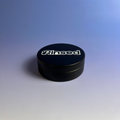
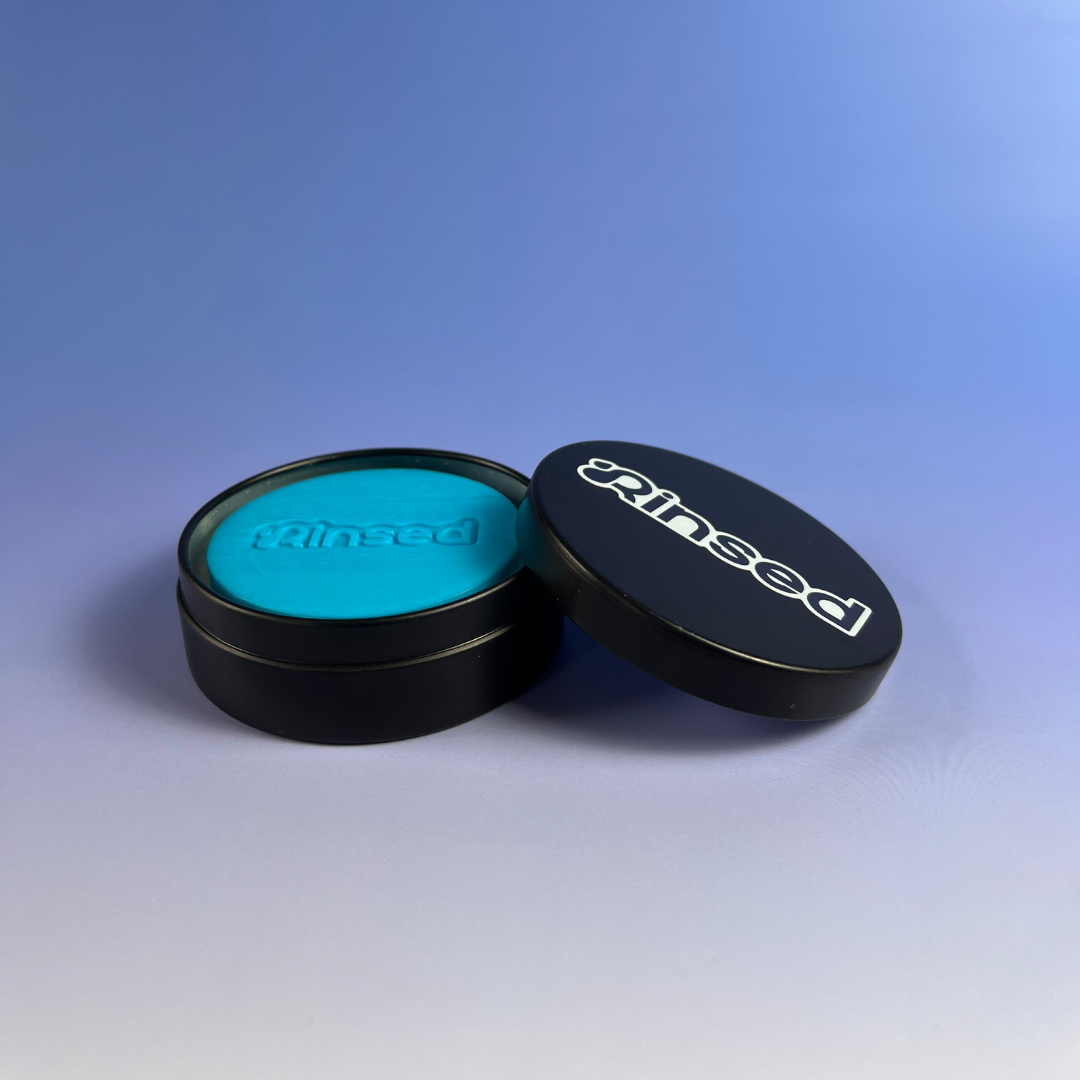
Our own case is the simple kind to look after. The Rinsed™ metal travel case is black aluminium, weighs 20 g and holds one Rinsed bar, so the clean above takes a minute. It's made for carrying the bar in a gym bag or hand luggage, not for keeping a wet bar at home.

A black aluminium case for one Rinsed™ bar. Weighs 20 g and keeps the bar tidy in a gym bag or hand luggage.
Whatever case you own, the wash is only half the job.
How do you dry a soap case properly?
Leave the lid and base apart, open side up, somewhere with moving air, until there's no moisture left in the corners or under any rim. Overnight on a windowsill or a drying rack usually does it. Don't close it damp, and don't rub it dry with a used tea towel, which can put germs back on.
US public health guidance on cleaning says to let items air dry thoroughly and not to use a dish towel to rub or pat them dry, because that may transfer germs. US environmental guidance adds a deadline: dry wet things within 24 to 48 hours to prevent mould growth. A case left wet in a bag over a long weekend has blown past that.
The bar needs drying too, and that's where most smells start: let it sit out until its surface no longer feels soft. The full routine for drying a bar on the move is in how to travel with a shampoo bar, and whether a case needs holes has its own article.
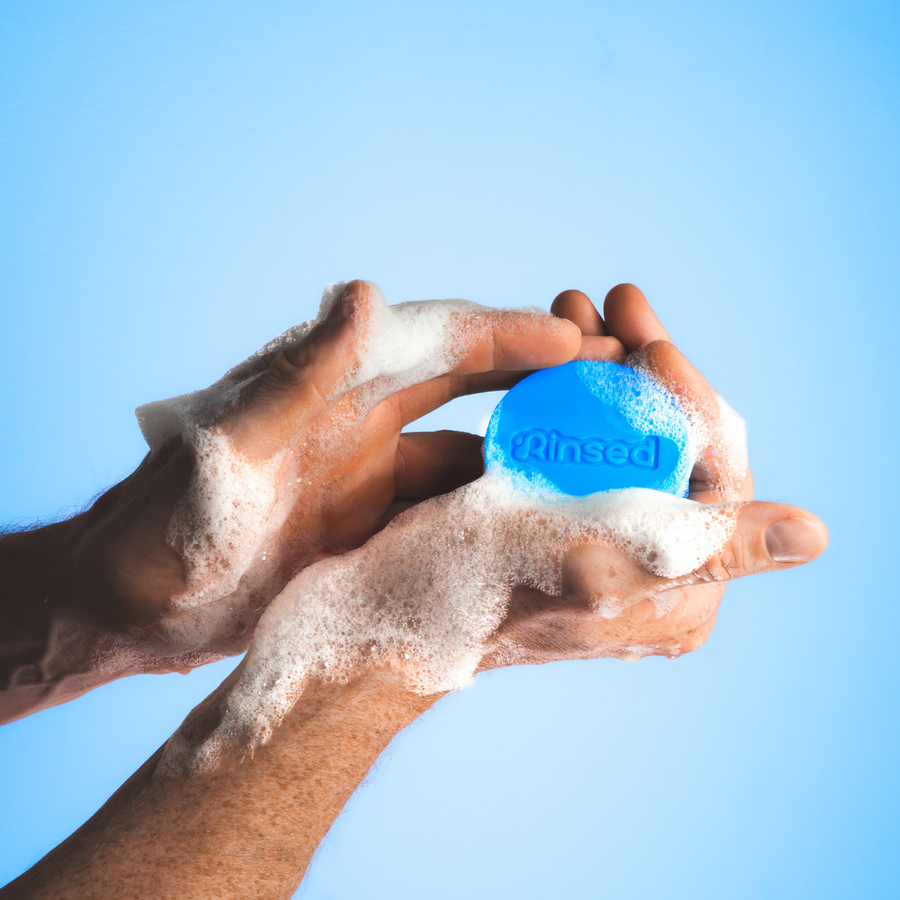
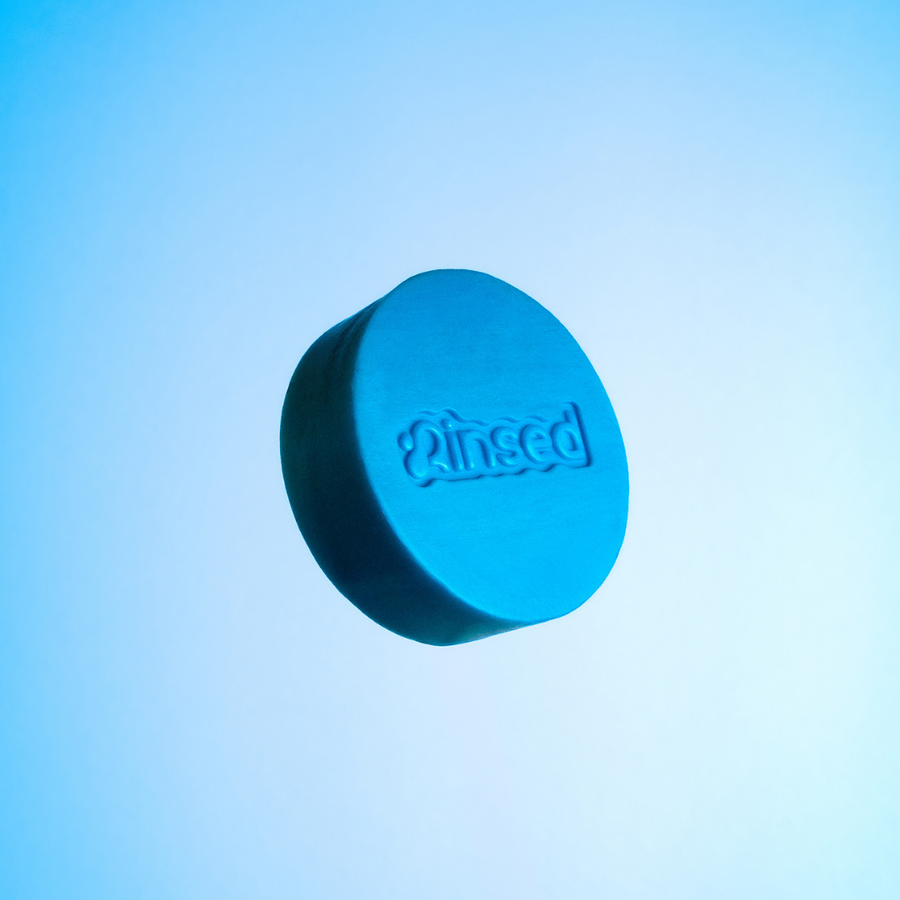
A Rinsed bar is a solid syndet bar, with Sodium Cocoyl Isethionate as the first ingredient and no saponified oils. It's one 3-in-1 bar for hair, body and face, so one case covers all three. Every Rinsed bar contains Parfum, so if you avoid fragrance, it's not for you. Like any bar, let it dry before you close the case.

Shampoo, body and face wash, all in one bar. Cooling, refreshing and designed for those always on the go.
When that hasn't happened for a while, you may be looking at mould.
How do you get mould out of a soap case?
For a hard case in metal or plastic, scrub the mould off with detergent and water, rinse, and dry completely before using it again. If the case is wood, bamboo, fabric or anything else absorbent, or the musty smell stays after a proper wash, replace it. Then change whatever kept it wet.
That comes from US environmental guidance, which says absorbent or porous materials may have to be thrown away if they become mouldy. It also says it's impossible to get rid of all mould spores indoors, so the aim isn't a sterile case but a dry one. US public health guidance adds: clean up the mould and fix the moisture problem. Here, that's almost always a wet bar closed in too long.
Replace a case when dark spots return after cleaning, when deep scratches or a seal hold residue you can't reach, or when a porous case has gone mouldy. Before you buy another, compare the options in metal, plastic or silicone.
How do you stop a soap case smelling again?
Close it only on a bar that has had time to dry, open it as soon as you arrive, and let the bar sit out wherever you're staying. At home, keep the bar out of the case on a draining dish. Give the case a quick rinse and dry when residue appears, and a proper wash every week or so.
A case is for getting a bar from A to B, not a place to live. At home, keep the bar out of the case so it can dry between showers; how to store a soap bar covers that. In a hostel shower with no shelf, take the bar back to your bed and let it air on the open lid.
If you keep closing a damp bar in a case, a mesh soap bag might suit you better, because it lets the bar dry. We compare the options in soap case, soap bag or ziplock.
If a case is what you need, for a gym bag or a weekend with hand luggage only, the Rinsed™ metal travel case holds one Rinsed bar. Let the bar dry before you close it.
A black aluminium case for one Rinsed™ bar. Weighs 20 g and keeps the bar tidy in a gym bag or hand luggage.
Get the habits right and cleaning becomes a two-minute job.
Summary
Smell and slime in a soap case come from water: a wet bar shut in, dissolved soap, and a damp surface where microbes and mould can get going. A rinse when you see residue, a weekly wash with washing-up liquid and warm water, and full drying with the case open sort out almost every case.
If mould keeps coming back, or a wooden or absorbent case goes mouldy, replace it. Most of all, let the bar dry before you close the case, and at home keep it out of the case altogether.
Frequently asked questions
How do you clean a soap case?
Take the bar out, rinse the case with warm water, then wash it with a drop of washing-up liquid and a soft sponge. Rinse well and leave the lid and base apart, open side up, until they are completely dry.
How often should you wash a soap case?
Give it a quick rinse and dry whenever you see residue, and a proper wash about once a week if you use it most days. Wash it after every trip, and straight away if it smells musty or shows dark spots.
Do you need bleach or disinfectant to clean a soap case?
Usually not. Cleaning with soap or detergent and water removes most germs and dirt, and US public health guidance says routine disinfecting at home is likely not needed unless someone is sick. Never mix cleaning products with each other.
Why does my soap case smell?
Usually because a wet bar spent hours shut inside it, leaving soapy water in a space where nothing dries. Stale soap can smell on its own, and a musty smell can be a sign of mould. Clean the case, dry it fully and let the bar dry before closing it again.
What is the slime in a soap tin?
Mostly soap that water has dissolved off the bar. If it keeps coming back and feels slippery after rinsing, it may also be biofilm, a slimy layer bacteria build on surfaces in moist places. Washing and full drying deal with both.
Should you keep a bar in its case at home?
No. A case is for carrying a bar in a gym bag or hand luggage. At home, keep the bar out of the case on a draining dish so it can dry between showers, and leave the empty case open to air.
How do you get mould out of a soap case?
On a hard metal or plastic case, scrub the mould off with detergent and water, rinse and dry completely. A wooden, bamboo or other absorbent case that has gone mouldy may have to be thrown away.
When should you replace a soap case?
Replace it when dark spots keep coming back after cleaning, when a porous case has gone mouldy, or when deep scratches or a seal hold residue you can't reach. A musty smell that survives a proper wash is another sign.
Sources
The facts in this article are based on the sources below, checked in October 2026.
- A Brief Guide to Mold, Moisture and Your Home. US Environmental Protection Agency, 2026.
- Mold Cleanup in Your Home. US Environmental Protection Agency, 2026.
- Mold. Centers for Disease Control and Prevention, 2024.
- When and How to Clean and Disinfect Your Home. Centers for Disease Control and Prevention, 2025.
- Biofilm basics. Center for Biofilm Engineering, Montana State University, accessed 2026.
- Microbial flora of in-use soap products. Applied and Environmental Microbiology, 1984.
- Handwashing and antiseptic-containing soaps in hospital. Journal of Clinical Pathology, 1979.