


Not always. Holes or a drainer let a damp bar breathe, while a closed case keeps drips away from your bag but traps any water you shut in with the bar. Either way, the fix for a mushy bar is the same: let it dry before you close the lid.
Most people only think about this after opening a case to find the bar glued to the lid in a little pool of slime. Here's what holes, drainers and lids each do, how to dry a bar on the road, and how to rescue one that has gone soft. Every fact has a source, listed at the end.
Key facts
- No type of mould will grow without water or moisture.
- US environmental health guidance says the key to mould control is moisture control.
- The same guidance advises drying wet areas and items within 24 to 48 hours to prevent mould growth.
- In a study of soaps in use, 92 to 96% of samples from bar soaps were culture positive, against 8% from liquid soaps.
- That study found bacterial populations on bar soaps were not high compared with those on hands.
- At Schiphol, liquids in hand baggage, including gels, creams, ointments, pastes and aerosols, may only be carried in containers of at most 100 ml.
Does a soap case with holes keep a bar drier?
A little, and mostly on the move. Holes let air reach the bar and give drips a way out, so a damp bar has more chance to dry in a ventilated case than in a closed one. They won't make a soaking bar dry, though, and whatever escapes through the holes lands on whatever sits next to the case.
A bar dries when water can run off or evaporate, and in a closed case neither happens until you open the lid. Picture the ride home after a Tuesday gym session. The bar goes in wet. With holes, the bar gets a bit of air for the journey. Without them, it sits in its own damp until you open it at home.
The catch: holes work both ways. A bar packed dripping can leave a soapy mark on the towel next to it. For the wider picture of what a case is for and the kinds that exist, start with our complete travel soap case guide.
Ventilated or closed: which design suits you?
Pick a ventilated case if you use the bar every day on the move and carry it in a pocket where a few drips don't matter. Pick a closed case if the bar travels next to clothes and you can give it time to dry first. A drainer inside helps with either.
| Closed case | Ventilated case (holes) | Case with a drainer | |
|---|---|---|---|
| How air reaches the bar | Only when you open the lid | Through holes in the lid or base | Depends on the case around the drainer |
| Where the drips go | They stay inside, around the bar | Some escape through the holes | They collect under a raised grid, away from the bar |
| Works best for | Hand luggage next to clothes, with a bar that has had time to dry | Daily gym use, or a bar you often pack damp | A bar that gets used and packed again and again |
| Watch out for | A wet bar shut inside sits in its own water | Drips and soap marks on whatever is next to it | The water is still in the case, so tip it out |
A soap bag is lighter than any of them and lets the bar breathe; see soap case, soap bag or ziplock. Deciding between aluminium, plastic and silicone? See which case material is best.
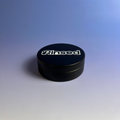
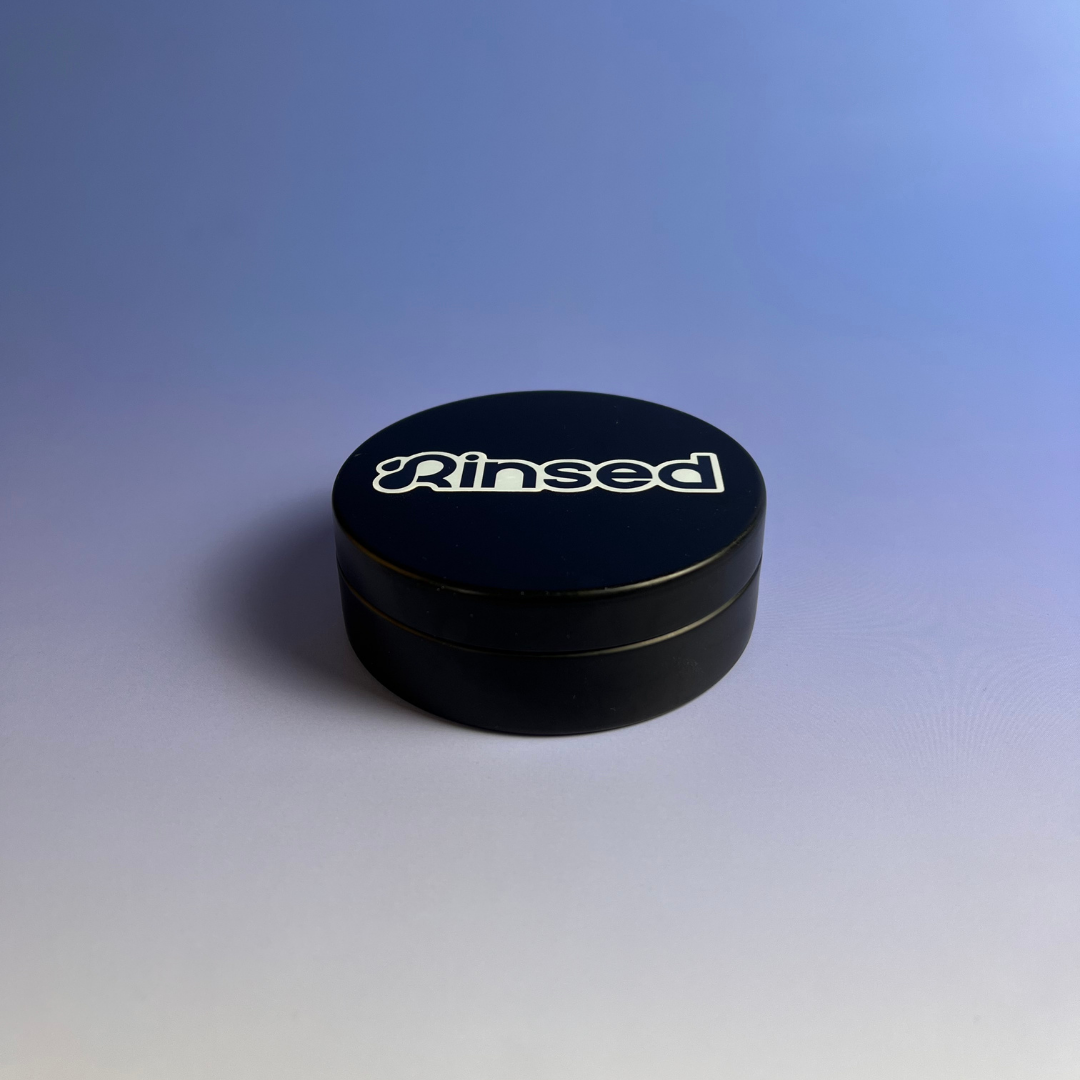
If a small hard case is what you're after, ours is black aluminium, weighs 20 g and holds one Rinsed bar. It's for carrying the bar in a gym bag or hand luggage, not for storing it: let the bar dry before you close it, and at home keep the bar out of it so it can dry between showers.

A black aluminium case for one Rinsed™ bar. Weighs 20 g and keeps the bar tidy in a gym bag or hand luggage.
Whichever case you carry, the water you close in decides what you find later.
What does a soap case with a drainer actually do?
A drainer is a raised grid or ridged insert that holds the bar above the bottom of the case. Water runs off the bar and collects underneath instead of pooling around it, so the base of the bar isn't sitting in a puddle. The water is still in the case, though, so you need to tip it out.
Think of it as a tiny soap dish that travels. On a ten-day trip with hand luggage only, with the bar used every morning and packed an hour later, the grid keeps the underside out of the puddle.
Empty the water whenever you open the case. The ridges also collect soap residue, which is where slime and smell start; our guide on how to clean a soap case covers that. And a drainer is no substitute for a proper draining dish at home, which is the subject of how to store a soap bar.
Why does soap go mushy in a case?
Because the water you shut in with the bar has nowhere to go. A wet bar in a closed case sits in its own damp, the surface keeps softening, and it can stick to the walls or the lid. The case itself isn't the problem; closing it around a wet bar is.
Soap softens wherever it sits in water, as the storage guide explains. What a closed lid adds is time: it can keep a bar wet for a whole day of travel.
There's a second reason to keep a case dry. US environmental health guidance says no mould grows without water or moisture and that wet items should be dried within 24 to 48 hours; US public health guidance adds that mould will grow where there is moisture. A damp case forgotten in a gym bag over a long weekend is exactly that.
Bars carry bacteria in normal use too: a study of soaps in use found 92 to 96% of bar soap samples culture positive, though at levels not high compared with hands. More in is bar soap hygienic, and keeping the case itself clean is in our case cleaning guide.
How do you get a bar dry enough before closing the case?
Give it as much air as you can between the last wash and closing the lid. Shake it off, blot it on a towel and stand it on its edge somewhere airy. It doesn't need to be bone dry, just firm and no longer slippery to the touch.
- At the gym. Blot the bar and let it sit on the open case while you get dressed. Take it out once you're home.
- In the hotel. Unpack the bar on arrival and stand it on a shelf away from the spray, with the case open beside it.
- In a hostel shower with no shelf. Take the bar back to your bunk and stand it on a locker shelf.
- On the last morning. Use the bar the evening before if you can; if not, blot it and pack it last.
The full packing routine is in how to travel with a shampoo bar.
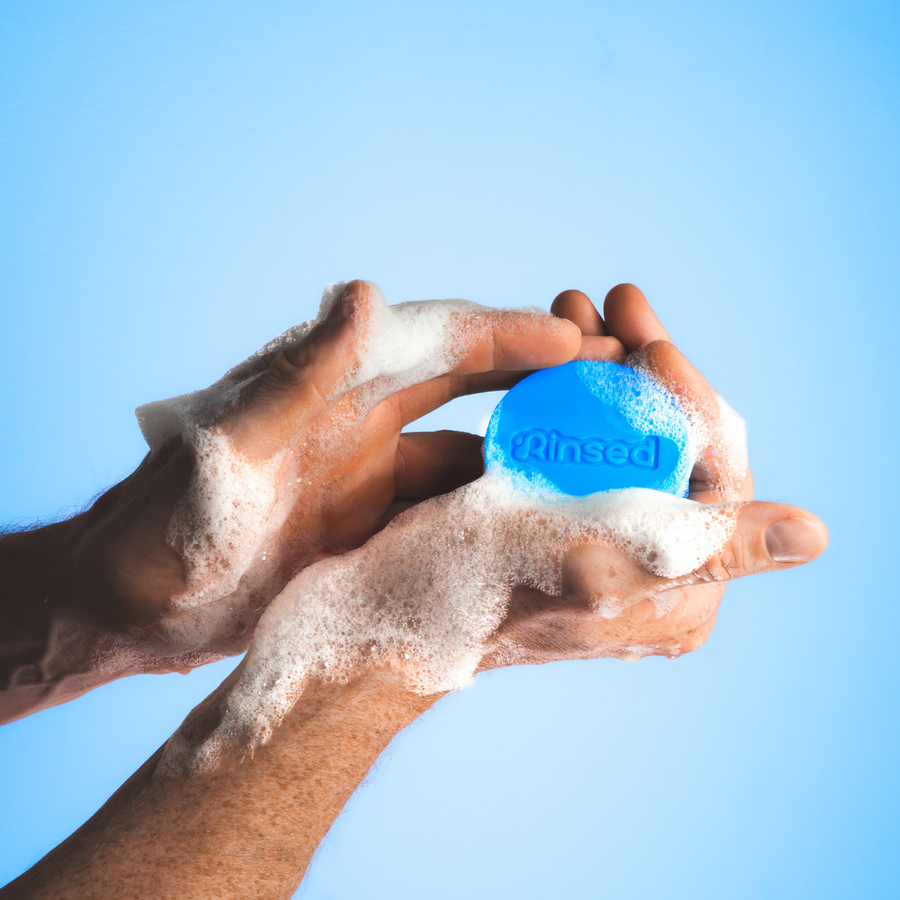
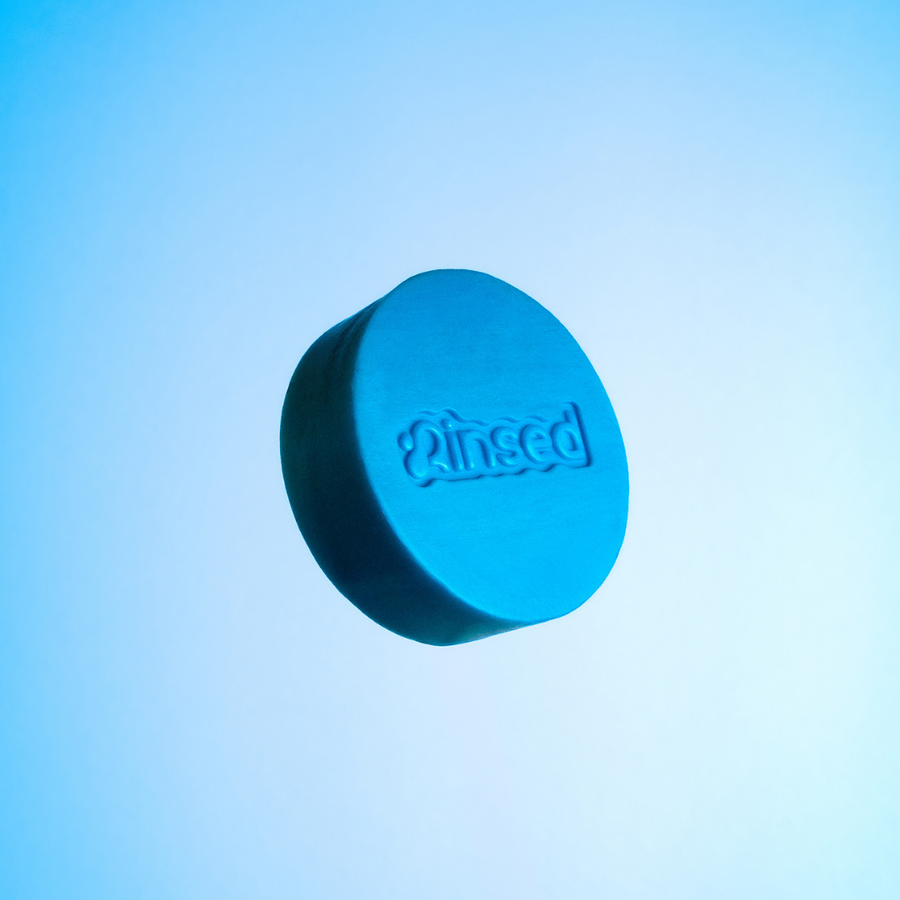
It also helps to carry one bar instead of three bottles. Rinsed bars are syndet bars with Sodium Cocoyl Isethionate as the first ingredient and no saponified oils, and one solid bar does hair, body and face. That's one thing to dry before you close the case.

Shampoo, body and face wash, all in one bar. Cooling, refreshing and designed for those always on the go.
Now, the bar that didn't get dried in time.
Bar soft in tin: how do you rescue it?
Take the bar out as soon as you can, tip away any water and stand it on its edge in moving air, away from heat. A softened outer layer firms up again once it gets air. Wipe the slime out of the case and leave it open to dry as well, before the bar goes back in.
Say you arrive after a day on trains to find the bar stuck to the lid.
- Ease it out. Slide a fingertip under one edge rather than prising from the middle.
- Tip and wipe. Pour away the water and wipe out the slime.
- Stand the bar on its edge. A shelf by an open window works. Skip the radiator: you want air, not heat.
- Leave the case open too. A case that goes back together damp starts the cycle again.
A bar shut in water for days will have lost some of itself to the slime, and nothing brings that back. Everyday habits at home are in the soap storage guide.
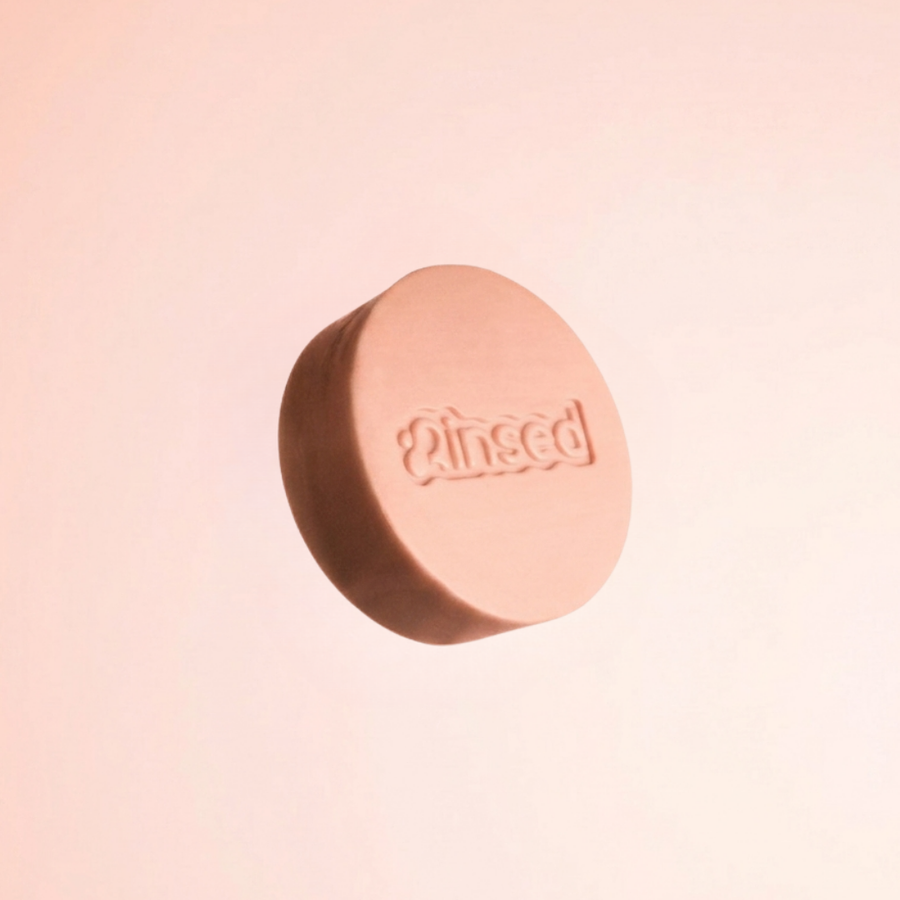
If yours is past saving and you need another, Rinsed comes in one formula and two scents: Minty Cactus and Blossom Blast. Every Rinsed bar contains Parfum, so if you avoid fragrance, a fragrance-free bar from somewhere else is the better pick.

Shampoo, body and face wash, all in one bar. Keep your hair and skin healthy on the go. Monoï-infused scent with a touch of vanilla. Designed for those always on the go.
Last question: which design to carry where.
Which kind of case works for a gym bag, a flight or a hostel?
For a daily gym bag, holes or a drainer help a bar that goes in damp. For hand luggage packed next to clothes, a closed case with a well dried bar is tidier. In a hostel, any case works if the bar dries outside it. At home, skip the case and use a draining dish.
| Situation | What tends to work | Why |
|---|---|---|
| Gym bag, three or four sessions a week | Ventilated case or one with a drainer | The bar goes in wet almost every time |
| Ten-day trip, hand luggage only | Closed case, bar dried before packing | Next to clothes for hours, drips matter more than airflow |
| Hostel with a shared bathroom | Any case you can carry to and from the shower | The bar dries on your bunk or locker shelf, not in the case |
| Campsite | Any case, opened at camp | Use the bar only in a campsite shower or sink where the lather goes down a drain |
| At home | No case at all | A draining dish lets the bar dry between showers |
Flying is simple: the airport liquids page we checked covers liquids, gels, creams, ointments, pastes and aerosols, and a solid bar is none of those, as can you take soap on a plane explains. For a carry-on wash kit, see hand luggage only toiletries, and for life with a pack, backpacking toiletries.
Summary
A soap case doesn't strictly need holes. Holes and drainers help a bar that goes in damp; a closed case keeps drips off your clothes but holds in any water you shut inside.
The habit matters more than the design: dry the bar before you close the lid, open the case when you arrive, and keep the bar out of it at home. A soft bar needs air, not heat.
Frequently asked questions
Does a soap case need holes?
No, but holes help a damp bar. They let air in and drips out, so the bar has more chance to dry on the move. A closed case works too, as long as the bar is dry before you close it.
Is a ventilated soap case better than a closed one?
It depends on where it travels. A ventilated case suits a gym bag, where the bar often goes in wet. A closed case is tidier next to clothes in hand luggage, with a bar that has had time to dry.
Should a soap bar live in its case at home?
No. A case is for carrying. At home, a bar on a draining dish can dry between showers, which a bar shut in a case can't.
How dry should a bar be before it goes in the case?
Not bone dry, just firm and no longer slippery to the touch. Blot it on a towel and stand it on its edge somewhere airy for as long as you can.
Can you pack a wet bar in a closed case?
For a short journey, yes, but open the case as soon as you arrive. A wet bar shut in a closed case sits in its own water and the surface keeps softening. Blot it and let it air while you pack, so it goes in last.
Why keep the case dry between trips?
US environmental health guidance says no type of mould grows without water or moisture, and that wet items should be dried within 24 to 48 hours. A case left open to dry between uses doesn't stay wet for days in a bag.
Why is a bar soft in its tin?
Because it was closed in while wet, and the water had nowhere to go. The surface softens and can stick to the lid or walls. The tin isn't the problem; closing it around a wet bar is.
How do you rescue a mushy bar from a case?
Ease it out from one edge, pour away any water and stand the bar on its edge in moving air, away from heat. Wipe the slime out of the case and leave it open to dry before the bar goes back in.
Sources
The facts in this article are based on the sources below, checked in October 2026.
- A Brief Guide to Mold, Moisture and Your Home. US Environmental Protection Agency, 2026.
- Mold. Centers for Disease Control and Prevention, 2024.
- Microbial flora of in-use soap products. Applied and Environmental Microbiology, 1984.
- Liquids in hand baggage. Schiphol, accessed 2026.