


For most travellers, a light metal tin such as aluminium is the best all-rounder: hard, easy to wipe and very light for its strength. Hard plastic is lighter still, silicone is the squashable one, and wood or bamboo belongs on a bathroom shelf rather than in a bag.
A soap case gets asked to do a lot. It has to survive a packed gym bag, cope with a bar that was in the shower ten minutes ago and still be pleasant to open on day ten of a trip. The material decides how well it manages each job. If you're still deciding whether you need a case at all, start with our complete guide to carrying a bar. Every material fact here comes from a source listed at the end.
Key facts
- Aluminium has a density of 2.7 g/cm³, about one third that of steel.
- Aluminium forms a natural oxide film on its surface that protects it and reforms if it is scratched.
- Stainless steel contains at least 10.5% chromium, and its corrosion resistance comes from a thin chromium-rich oxide film.
- Polypropylene is the commodity plastic with the lowest density, between 0.895 and 0.92 g/cm³.
- No type of mould will grow without water or moisture.
What is the best material for a soap case?
There is no single winner. Aluminium gives you a hard shell for very little weight, stainless steel is tougher but heavier, hard plastic is the lightest, and silicone squashes into gaps. Wood and bamboo look lovely but are hard to dry, which suits a draining dish at home far better than a closed box in a bag.
Think about what the case goes through. On a ten-day trip with hand luggage only, it gets squeezed between shoes and a charger. After a Tuesday session at the gym, it lands among damp kit. Weight, a hard shell, easy cleaning and how it copes with moisture matter more than looks.
| Aluminium | Stainless steel | Hard plastic | Silicone | Wood or bamboo | |
|---|---|---|---|---|---|
| Density of the material | 2.7 g/cm³ | Steel is about 7.8 g/cm³ | Polypropylene is 0.895 to 0.92 g/cm³ | Depends on the case | Varies by wood |
| Moisture, as sources describe it | Natural oxide film protects the surface | Chromium-rich oxide film resists corrosion | No source claim used here | Strongly water-repellent | Fungi on wood need moisture and air |
| In a packed bag | Hard shell, can dent | Hard shell | Hard shell, can crack if crushed | Bends, so the bar can get squashed | Rarely made to close tightly |
| Cleaning | Wipe and dry | Wipe and dry | Wipe and dry; scratches hold residue | Wash and dry | Hard to dry fully |
| Best for | Gym bag, hand luggage | Big bags, long trips | Light packers | Odd-shaped spaces | A dish at home |
One honest note: density is the material, not the case. A thin metal tin can weigh about the same as a thick plastic box, so check the weight of the case itself. And whatever it's made of, a closed case is for carrying, not for drying. Whether yours should have holes is covered in ventilated versus closed cases.
Is an aluminium soap tin a good choice?
For most people who carry a bar in a bag, yes. Aluminium is about a third of the density of steel, so a hard aluminium tin stays light, and it forms a natural oxide film that protects its surface. It wipes clean in seconds. The trade-off is that a dropped or squashed tin can dent.
An aluminium industry body puts the weight in everyday terms: a piece of aluminium can weigh a third of a piece of steel of the same size and shape. You notice that on a weekend away with a small backpack.
The same body explains that aluminium forms a film of aluminium oxide when it meets oxygen, that the film protects the surface and that it reforms if scratched. Aluminium corrodes only under certain conditions. Still, a tin left full of soapy water still needs a wipe and a proper dry. Keep it in a side pocket rather than under your boots, because a dented lid may not close neatly.
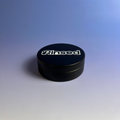
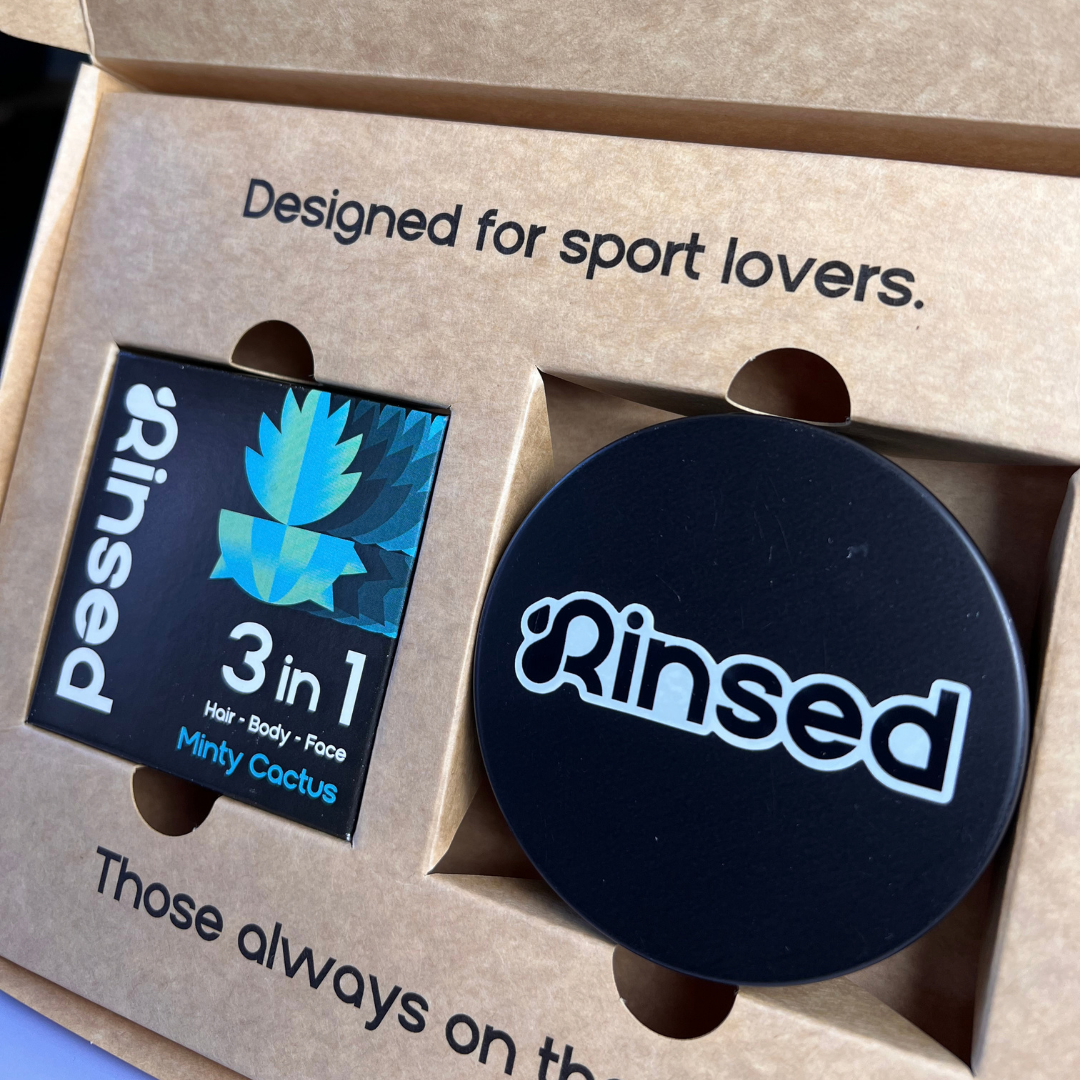
Our own case is aluminium. The Rinsed™ metal travel case is black, weighs 20 g and holds one Rinsed bar. It's for carrying the bar in a gym bag or hand luggage. Let the bar dry before you close it, and at home take the bar out so it can dry between showers.

A black aluminium case for one Rinsed™ bar. Weighs 20 g and keeps the bar tidy in a gym bag or hand luggage.
If you mostly wash at home, you don't need a tin at all: a draining dish does that job better. Our guide on how to store a soap bar covers the home side.
What about a stainless steel soap case?
Stainless steel is tough and resists corrosion well, thanks to a thin chromium-rich film on its surface. The catch is weight: steel is roughly three times as dense as aluminium. It suits a long trip where the case lives in a big bag, less so a light day pack.
A stainless steel technical guide explains that stainless steel must contain at least 10.5% chromium, and that its corrosion resistance comes from a passive, chromium-rich oxide film that reforms if damaged, as long as there is enough oxygen. It also notes that rust spots on stainless steel usually come from contamination with ordinary iron or steel.
So check that a metal tin really is stainless: a plain or painted steel tin is a different material, and these facts don't apply to it. And a stainless case packed next to steel tent pegs can pick up stray particles, so wipe it now and then. Weighing up every gram for a hike? Our backpacking toiletries guide helps.
Is a plastic soap case any good?
Yes, especially if weight matters most. Polypropylene, used for everyday food containers, is the lightest of the common plastics, so a hard plastic box is light and doesn't rattle. On the downside, it can crack if crushed and picks up scratches over time, and those scratches hold soap residue.
A plastics industry body lists polypropylene as the commodity plastic with the lowest density and describes it as usually tough and flexible. Its listed uses include margarine pots and microwave-proof containers, which tells you the kind of box you're dealing with.
Many plastic cases have a snap lid, handy in a crowded wash bag. But a snug lid also keeps moisture in. Close it on a dripping bar in a hostel shower with no shelf, open it two days later, and you'll find out. Our article on how to clean a soap case deals with what to do then.
Are silicone soap cases worth it?
They are worth it if space matters more than protection. Silicone bends, squashes into odd gaps and is described as strongly water-repellent, so it doesn't soak up water. But a soft shell doesn't protect the bar from being pressed out of shape in a crowded bag.
The silicones industry body describes silicones as having outstanding water-repellent properties and as thermally stable. The softness cuts both ways, though. A silicone case slides into the corner of a full carry-on where a hard tin wouldn't fit, but press on the case and you press on the bar. A soft, freshly used bar can come out squashed.
Can you use a wooden or bamboo soap box?
At home, as an open dish that drains, wood and bamboo can work. As a closed travel box, they are a poor fit. A forestry research handbook says the fungi behind moulds and decay need moisture, air and mild temperatures, and for some of them wood itself is a food supply.
US environmental health guidance on mould adds that mould can grow in the crevices of porous materials, and that absorbent materials may have to be thrown away once they go mouldy. Picture a closed wooden box, a damp bar and a warm bag, and you can see the problem. A wooden dish next to the sink, raised so water drains away, is a fine home for a bar between showers. For the road, choose something you can wipe and dry completely.
Which material copes best with a damp bar?
Hard, smooth surfaces you can wipe and dry completely cope best: metal, hard plastic and silicone. Wood and bamboo are hard to dry right through. But no material fixes a wet bar sealed inside for days. The biggest difference comes from letting the bar dry before you close the lid.
The mould guidance says mould starts growing when spores land on wet surfaces, and that wet items should be dried within 24 to 48 hours to prevent it. It also says to scrub mould off hard surfaces with detergent and water and dry them completely, which is far easier on metal or plastic than in the grain of wood.
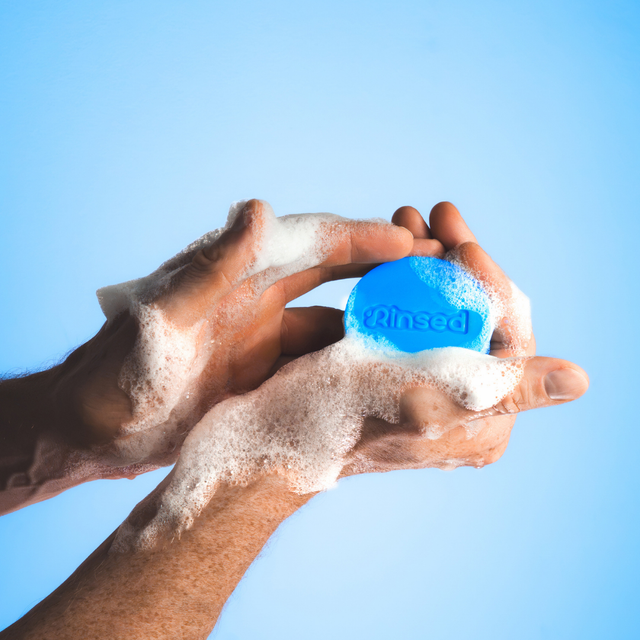
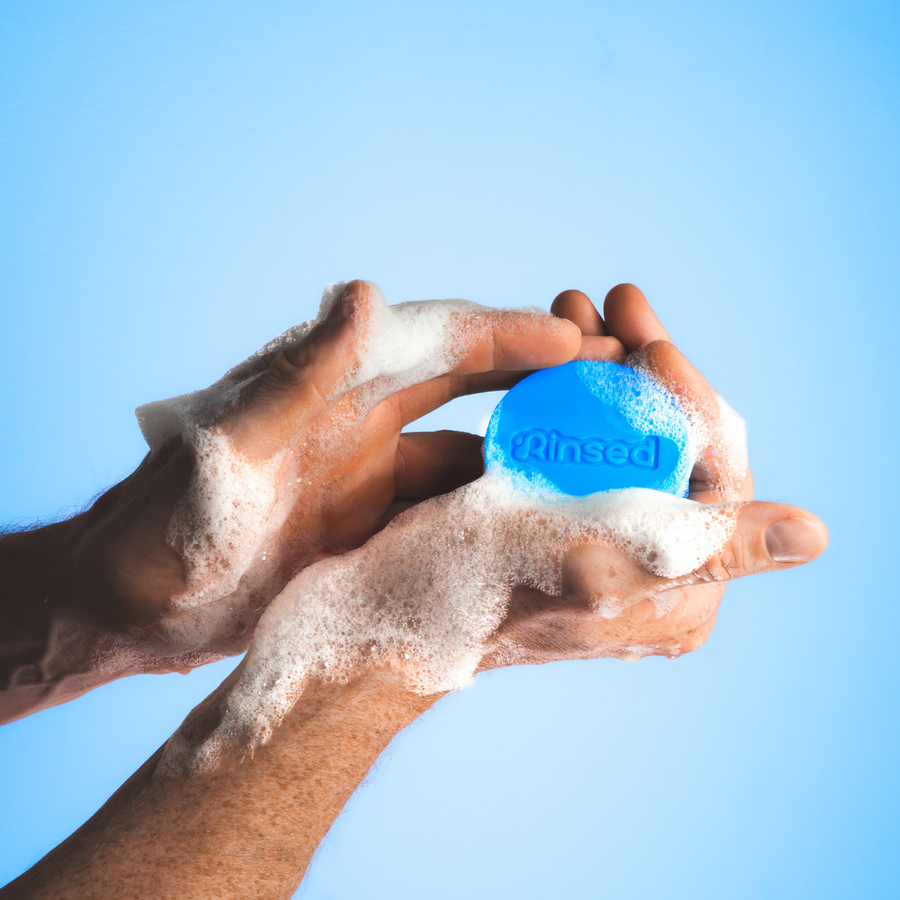
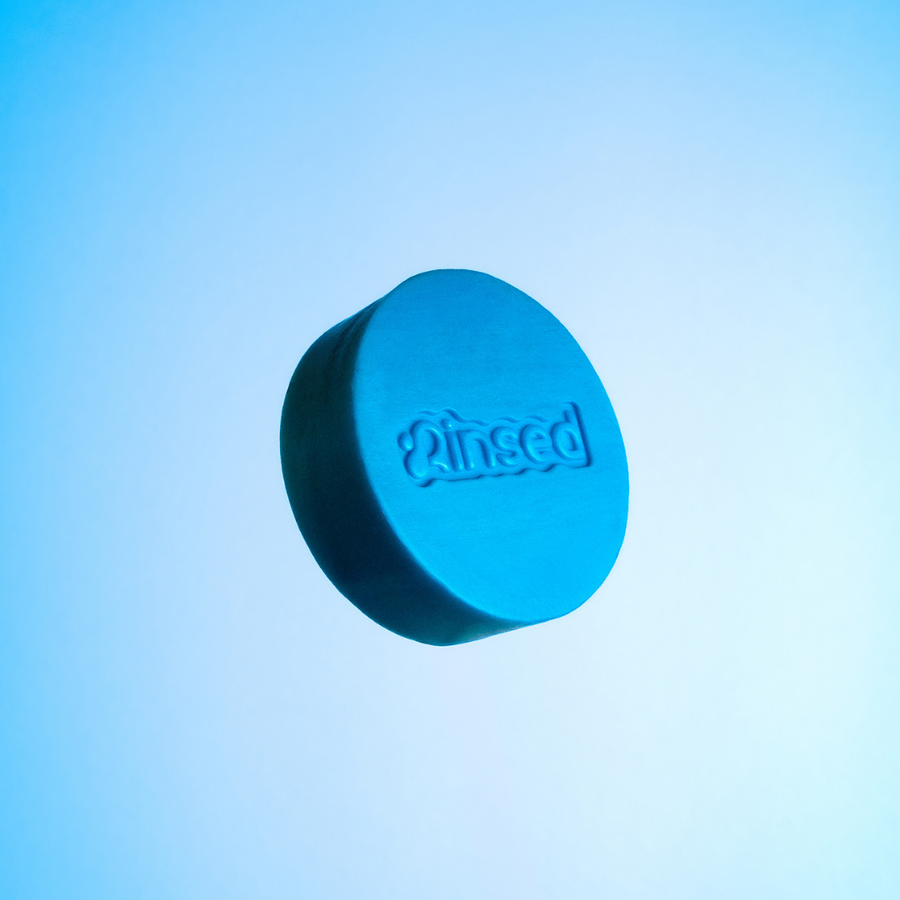
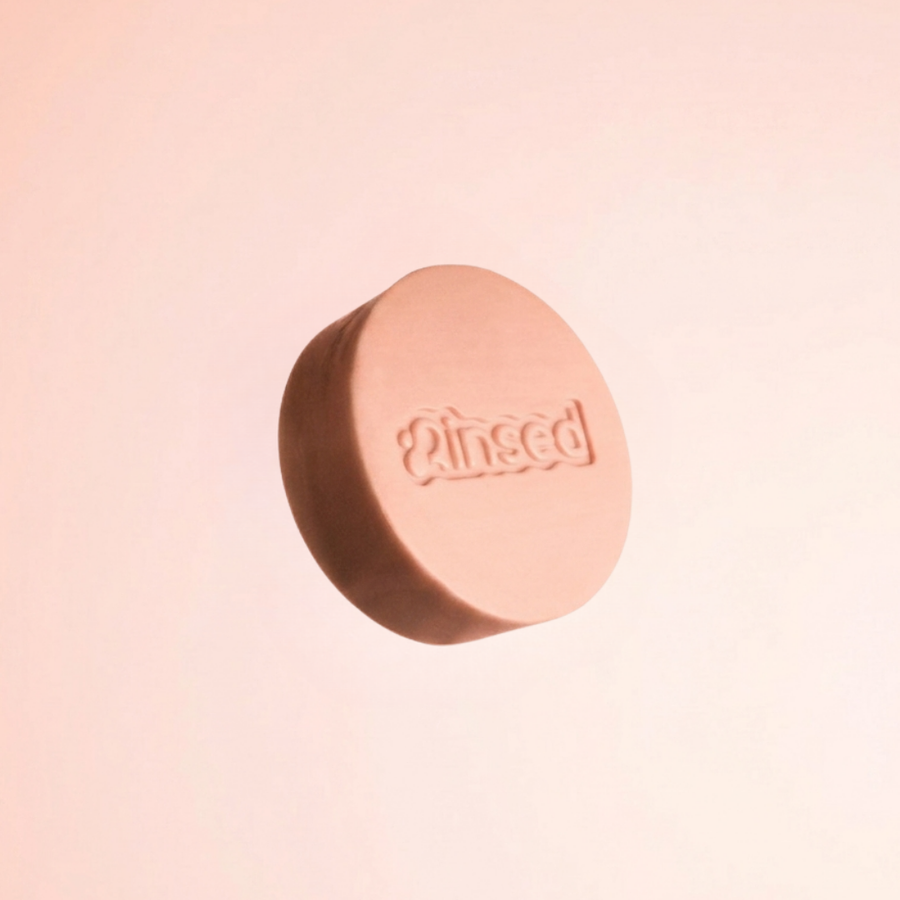
The bar matters too, and our explainer on what a syndet bar is covers what it's made of. Ours are syndet bars: Sodium Cocoyl Isethionate is the first ingredient and there are no saponified oils. It's one solid 3-in-1 bar for hair, body and face, one formula in two scents, Minty Cactus and Blossom Blast. Whichever you choose, it still needs to dry before it goes in a case.

Shampoo, body and face wash, all in one bar. Keep your hair and skin healthy on the go. Monoï-infused scent with a touch of vanilla. Designed for those always on the go.
Back to the case. If a bar has already gone soft inside one, the article on closed and ventilated cases walks you through it. For bar soap and cleanliness, read is bar soap hygienic.
Which material suits the gym, hand luggage or a long trip?
For the gym and hand luggage, a light metal tin is hard to beat: it protects the bar and wipes clean. For the lightest pack, hard plastic. For squeezing into a full bag, silicone. And if every gram counts and you can dry the bar on the go, a soap bag may suit you better than any case.
A gym bag with a damp towel and shoes: a hard tin keeps the bar in shape and off your kit. A carry-on for ten days: a hard case in the wash bag is tidy. A light backpack for a week of hostels: a mesh bag that dries the bar while it hangs may be smarter. We compare those honestly in soap case, soap bag or ziplock.
Flying? A bar is solid, and the airport side is covered in can you take soap on a plane. Our packing routine is in how to travel with a shampoo bar.
If you've settled on aluminium for the gym bag or hand luggage, this is the one we make. If you'd rather carry nothing hard at all, a bag is the lighter choice, and that's fine too.
A black aluminium case for one Rinsed™ bar. Weighs 20 g and keeps the bar tidy in a gym bag or hand luggage.
Shopping for someone who travels or trains a lot? A bar and a case make a tidy pair, and our gift ideas for travellers and athletes show how.
Summary
Aluminium is the best all-rounder for carrying a bar: light for a hard shell, protected by its own oxide film and easy to wipe. Stainless steel is tougher but heavier, hard plastic is lighter but can crack and scratch, and silicone saves space but lets the bar get squashed.
Wood and bamboo are hard to dry, so keep them at home as a draining dish. Whatever you pick, a closed case is for carrying, not storing: let the bar dry before you close the lid.
Frequently asked questions
What is the best material for a soap case?
For carrying a bar in a bag, aluminium is the best all-rounder. It is light for a hard shell, has a natural oxide film that protects its surface and wipes clean easily.
Is aluminium lighter than steel?
Yes. Aluminium has a density of 2.7 g/cm³, about one third that of steel. The weight of a real case also depends on its wall thickness.
Why does stainless steel resist corrosion?
Stainless steel contains at least 10.5% chromium, which gives it a thin chromium-rich oxide film. Rust spots on it usually come from contamination with ordinary iron or steel.
Is a plastic soap case worth it?
Yes, if weight matters most: polypropylene is the lightest of the common plastics. A hard plastic box can crack if crushed, though, and scratches hold soap residue.
Are silicone soap cases good?
They squash into odd gaps, and silicone is strongly water-repellent. But a soft case doesn't stop a bar being pressed out of shape in a full bag.
Can you use a wooden or bamboo soap box for travel?
It's a poor fit. The fungi behind mould need moisture, air and mild temperatures, and a closed box keeps moisture in. Wood and bamboo work better at home as an open dish that drains.
Can you put a wet bar in a closed case?
It's best not to. No type of mould grows without moisture, and a closed case keeps moisture in. Let the bar dry before you close the lid.
Which material is best for a gym bag?
A light metal tin, such as aluminium, protects the bar from being crushed and wipes clean easily. It also keeps a soft bar off the rest of your kit.
Sources
The facts in this article are based on the sources below, checked in October 2026.
- Aluminium properties. Australian Aluminium Council, 2024.
- Aluminum and Aluminum Alloys. J.R. Davis, ASM International, 2001.
- Pickling and Passivating Stainless Steel. European Stainless Steel Development Association, 2007.
- Polyolefins. Plastics Europe, 2022.
- Performance properties: hydrophobicity. Silicones Europe, 2023.
- Performance properties: long-lasting performance. Silicones Europe, 2025.
- Chapter 14: Biodeterioration of wood. USDA Forest Service, Forest Products Laboratory, 2021.
- A Brief Guide to Mold, Moisture and Your Home. US Environmental Protection Agency, 2026.