

Note to travelling surfers
- Ecosystem first. Be kind to the environment you’re visiting: don’t leave any trash behind.
- Be kind to locals. Every lineup has an order and it was earned over years. Wait your turn, and respect local etiquette.
- Fly less, stay longer. The flight is the biggest impact of any surf trip. Two weeks once beats one week twice!
The best surfing destinations in July are Bali in Indonesia, the Mamanuca Islands in Fiji, Tahiti, Jeffreys Bay in South Africa and the northern coast of Peru. July sits in the middle of the Southern Hemisphere swell season, so the South Pacific and the South Atlantic are both switched on at the same time. Water is warm in Indonesia, Fiji and Tahiti, cooler in South Africa and Peru, and every one of these five gives you a spread of spots so you can scale the session to the day rather than forcing the heaviest wave on the map.
This is not an exhaustive list and there are plenty of other good July options. These five stand out because they are usually reliable, they have a real spread of surf spots, and they give you a clear seasonal edge.
- 1. Indonesia (Bali)
- 2. Fiji (Mamanuca Islands)
- 3. Tahiti (Teahupo’o and nearby reefs)
- 4. South Africa (Jeffreys Bay)
- 5. Peru (Chicama and the northern coast)
- 6. Key statistics: July surfing conditions
- 7. How to surf safely in July, by level
- 8. Surf spots in July: locals and the environment
- 9. Other July destinations worth considering
- 10. Frequently asked questions

Indonesia (Bali)
July in Bali is the classic wake up, surf, eat, surf again setup. The main season is humming, the wave menu is huge, and you can choose your intensity depending on the day. It makes this list because it is one of the easiest places to stack quality sessions, whether you are building confidence or chasing serious reef waves.
The Bukit Peninsula gets the swell first, so Uluwatu, Impossibles and Padang Padang are the headline acts. If the west coast is too big, the east coast usually offers a calmer alternative on the same day. For a wider view of the region, see our guide to the best surfing destinations in Asia.
What are the best surf spots in Bali?
This table is a quick way to match a spot to your comfort level. It is all approximate, so if it looks fast, shallow or crowded, it usually pays to take the easier option and enjoy more waves.
| Spot | Skill level | Wave size (metres) | Best months |
|---|---|---|---|
| Kuta Beach | Beginner | 0.5 to 1.5m | Year round |
| Canggu | Beginner to intermediate | 0.5 to 2.0m | Year round |
| Uluwatu | Advanced to expert | 1.5 to 4.0m | Apr to Oct |
| Impossibles | Intermediate to advanced | 1.0 to 3.0m | Apr to Oct |
| Padang Padang | Expert only | 1.5 to 3.5m | May to Sep |

Shampoo, body and face wash, all in one bar. Cooling, refreshing and designed for those always on the go.

Fiji (Mamanuca Islands)
Fiji in July is the real deal. The swell season is in full flow, the reefs can look unreal when the wind behaves, and the wave quality feels a level above most places. It earns its spot here because you are not just chasing surfable waves, you are chasing world class reefs in warm water.
Almost everything in the Mamanucas is boat access, so your day is shaped by the boat schedule as much as the tide. Pack light and pack simple: a bar of soap in your dry bag beats a shampoo bottle rolling around the deck.
What are the best surf spots in Fiji?
This table helps you pick a wave that fits the day. It is approximate, so if the big name breaks look intense, there is a lot of joy in choosing a mellower reef and having a clean, confidence building session.
| Spot | Skill level | Wave size (metres) | Best months |
|---|---|---|---|
| Cloudbreak | Expert only | 2.0 to 6.0m | May to Oct |
| Restaurants | Advanced to expert | 1.5 to 4.0m | May to Oct |
| Namotu Left | Advanced | 1.0 to 3.5m | May to Oct |
| Swimming Pools | Intermediate to advanced | 0.8 to 2.5m | May to Oct |
| Inside reefs (mellower options) | Intermediate | 0.8 to 2.0m | May to Oct |

Tahiti (Teahupo’o and nearby reefs)
Tahiti in July is for surfers who love serious waves and serious scenery. This is peak season territory, and the reefs deliver the thick, heavy walls that made the place legendary. It makes this list because the quality can be outrageous, but it is also a destination where staying on the safe side matters, even for strong surfers.
The good news is that Teahupo’o is not the only wave on the island. Papara, Vairao and the Punaauia area give you somewhere to surf on days when the main reef is out of your range.
What are the best surf spots in Tahiti?
This table is a rough guide to help you understand the range. It is approximate, and Tahitian reefs can be intense, so it is completely normal to spend time watching first and picking your moment.
| Spot | Skill level | Wave size (metres) | Best months |
|---|---|---|---|
| Teahupo’o | Expert only | 2.0 to 6.0m | May to Oct |
| Taapuna | Advanced to expert | 1.5 to 4.0m | May to Oct |
| Papara | Intermediate to advanced | 1.0 to 3.0m | May to Oct |
| Vairao | Intermediate | 0.8 to 2.5m | May to Oct |
| Punaauia (more forgiving days) | Intermediate | 0.8 to 2.0m | May to Oct |

Shampoo, body and face wash, all in one bar. Keep your hair and skin healthy on the go. Monoï-infused scent with a touch of vanilla. Designed for those always on the go.

South Africa (Jeffreys Bay)
J Bay in July is why people fall in love with point breaks. Long walls, clean lines, and that feeling of linking turns forever when it is working. It is on this list because it is truly in season now, and there are multiple sections that let you scale your session instead of forcing the heaviest part of the wave.
Water sits around 15 to 18 degrees, so a 4/3 wetsuit and often a hood is the norm. If you want a wider look at the continent, see our guide to the best surfing destinations in Africa.
What are the best surf spots in Jeffreys Bay?
This table helps you choose the right section for your level and energy. It is approximate, and a gentle warm up on the easier parts of the point can make the whole trip feel smoother.
| Spot | Skill level | Wave size (metres) | Best months |
|---|---|---|---|
| Point | Intermediate to advanced | 1.0 to 3.0m | May to Sep |
| Kitchens | Intermediate | 0.8 to 2.5m | May to Sep |
| Supertubes | Advanced to expert | 1.5 to 4.0m | May to Sep |
| Albatross | Advanced | 1.5 to 4.0m | May to Sep |
| Magna Tubes | Expert only | 2.0 to 5.0m | May to Sep |

Peru (Chicama and the northern coast)
Peru in July is a strong pick if you like long rides and real swell energy. South Pacific pulses keep rolling in, and you can hunt everything from flowing point waves to more powerful setups depending on where you base yourself. It makes this list because the season is active, the wave style is unique, and you can build an entire trip around long, satisfying sessions.
Chicama is the headline, with rides that can run for well over a kilometre on the right swell. The water is cold for the tropics, roughly 14 to 18 degrees, so bring a wetsuit even though you are close to the equator. More options in our guide to the best surfing destinations in South America.
What are the best surf spots in Peru?
This table is here to help with planning and expectations. It is approximate, and Peru can be windy in some zones, so checking a couple of spots before committing often makes the day better.
| Spot | Skill level | Wave size (metres) | Best months |
|---|---|---|---|
| Chicama | Intermediate to advanced | 1.0 to 3.0m | May to Sep |
| Huanchaco | Beginner to intermediate | 0.5 to 2.0m | Year round |
| Lobitos | Intermediate to advanced | 1.0 to 3.5m | Apr to Oct |
| Cabo Blanco | Advanced to expert | 1.5 to 4.0m | May to Oct |
| Punta Rocas (Lima area) | Intermediate to advanced | 1.0 to 3.0m | May to Oct |
Shower gel bottles are bulky and unkind to the places we travel to, and there is enough plastic in the ocean as it is. That is partly why I started Rinsed™: pocket sized bars so you can get fresh anywhere you go. A bar also clears airport security without the liquid limits, which we cover in can you take soap on a plane.

Key statistics: July surfing conditions
This quick table is for comparing the five destinations side by side. The numbers are approximate, and the goal is to choose a place where you will feel confident most days, not just impressed by the biggest swell of the month.
| Destination | Water temp (°C) | Typical wave size (m) | Best for |
|---|---|---|---|
| Indonesia (Bali) | 25 to 28 | 1.0 to 4.0 | Consistency and variety in warm water |
| Fiji | 24 to 26 | 1.5 to 4.5 | High quality reefs and step up surfing |
| Tahiti | 24 to 26 | 1.5 to 5.0 | Heavy reef waves for advanced surfers |
| South Africa (J Bay) | 15 to 18 | 1.0 to 4.0 | Long right hand point surfing |
| Peru | 14 to 18 | 1.0 to 3.5 | Long points and strong swell energy |

How to surf safely in July, by level
July is an amazing month, but a lot of these regions are properly on, which means more power in the water and more consequence on the wrong day. The best approach is usually picking waves that let you surf freely, not just hang on.
Beginner surfers
July is a great time to keep it simple. Sand bottom spots and forgiving peaks are the move, and there is no rush to jump onto shallow reefs. If the ocean looks busy or heavy, it is completely fine to downshift, take a lesson, or make it a chill beach day.
Intermediate surfers
Aim for rhythm over stress. If you are constantly late, taking beatings, or feeling squeezed by the crowd, a different tide, a different peak, or a slightly smaller wave can turn the whole session around. Progress usually happens faster on waves you can repeat again and again.
Advanced surfers
A few minutes watching sets can be the difference between a great session and a messy one. Knowing where the channel runs, how wide the sets swing, and where the clean exit is keeps things smoother, especially on reefs. On solid days, surfing with a trusted buddy and keeping the plan simple is often the best call.
Shampoo, body and face wash, all in one bar. Cooling, refreshing and designed for those always on the go.

Surf spots in July: locals and the environment
July is busy in a lot of surf towns, and the best lineups are the ones where the vibe stays relaxed even when the waves are firing.
Respect the locals
It helps to treat the first 10 minutes like recon. Watch where people sit, where they paddle out, and how waves are shared. A calm attitude, good spacing, and not rushing the main peak usually leads to better sessions and better energy in the water.
Respect the environment
Summer crowds add up fast, especially on small beaches and reef access paths. The easy wins are simple: take your trash, keep wax bits and tape out of the sand, and stick to the paths so the coastline does not get worn down. If you see a beach clean happening, joining for a short stint is a good way to give back without turning your trip into a chore.
Your wash kit counts too. A solid bar means no plastic bottle to lose or leak, and if you are weighing up the options, we broke it down in shampoo bar vs soap bar vs 3-in-1.

Other July destinations worth considering
Here are a few more July worthy destinations. This table is for quick comparison and planning, the stats are approximate, and it is always worth double checking local forecasts before you commit.
| Other destination (July) | Typical wave size (m) | Level (general) | Why it is a good July pick |
|---|---|---|---|
| Sri Lanka (Arugam Bay): see the best surf spots in Sri Lanka | 0.8 to 2.5 | Beginner to advanced | Clean season conditions and lots of progression friendly waves. |
| Australia (Gold Coast) | 0.8 to 3.0 | Intermediate to advanced | Point break variety with plenty of options depending on swell and wind. |
| USA (Southern California) | 0.5 to 2.0 | Beginner to advanced | Easy access, summer swells, and a huge range of breaks. |
| Spain (Basque Country) | 0.8 to 2.5 | Beginner to expert | Atlantic energy with a mix of mellow beaches and heavier setups. |
| France: see the best surfing destinations in France | 0.8 to 3.0 | Intermediate to expert | Powerful beach breaks that can turn on fast when swell shows. |
| Mexico (Baja, Pacific side) | 0.8 to 2.5 | Beginner to advanced | Long coastline, plenty of peaks, and a mellow summer trip feel. |
Summary
July is stacked, and this list is a starting point rather than the full menu. Bali is the consistency king, Fiji brings warm water reef perfection, Tahiti is the heavy hitter for experts, Jeffreys Bay delivers iconic point surf, and Peru is a long ride playground with serious swell behind it. Pick a destination that fits your confidence, then pick the wave that feels like the smart call on the day.
Planning around the calendar? Have a look at the best surfing destinations in June and the best surfing destinations in August.
Frequently asked questions
Where is the best surfing in July?
Bali is the best all round choice in July because it combines reliable swell, warm water and a wide range of spots for every level. If you want the highest wave quality and you are an experienced surfer, Fiji and Tahiti are hard to beat. Jeffreys Bay is the pick for long right hand points, and Peru for the longest rides of all.
Is July a good month to surf in Bali?
Yes. July sits in the middle of Bali’s dry season, which runs roughly from April to October. The Bukit Peninsula picks up consistent South Indian Ocean swell and the offshore winds blow across the west coast in the morning. It is also one of the busiest months, so early sessions are worth the alarm.
Do I need a wetsuit in July?
It depends where you go. Bali, Fiji and Tahiti are warm enough for boardshorts or a thin top, with water between 24 and 28 degrees. Jeffreys Bay and Peru are much cooler at 14 to 18 degrees, so a 4/3 wetsuit is standard and a hood and booties help in South Africa.
Where can beginners surf in July?
Kuta Beach and Canggu in Bali, Huanchaco in Peru and Arugam Bay in Sri Lanka all have sand bottom or forgiving waves in July. Avoid the shallow reef spots such as Padang Padang, Cloudbreak and Teahupo’o until you have a lot of reef experience.
How do I pack light for a July surf trip?
Boardbag, one wetsuit or a pair of boardshorts, a quick dry towel and a solid wash bar instead of bottles. A single 3-in-1 bar replaces shampoo, body wash and face wash, weighs 80g and lasts 30 to 60 washes, so there is nothing to leak through your boardbag.
Can I take a soap bar in my hand luggage?
Yes. Solid soap and shampoo bars are not liquids, gels or aerosols, so they do not count towards the 100ml liquid allowance in hand luggage. You can drop the bar straight in your bag without a clear plastic pouch. We go into more detail in our guide on taking soap on a plane.
Pack lighter for your next surf trip
Shampoo, body and face wash in one 80g bar. No bottles to leak through your boardbag, no liquid limits at the airport, and 30 to 60 washes per bar.
Travel with Rinsed™ →30 day money back guarantee, no questions asked.
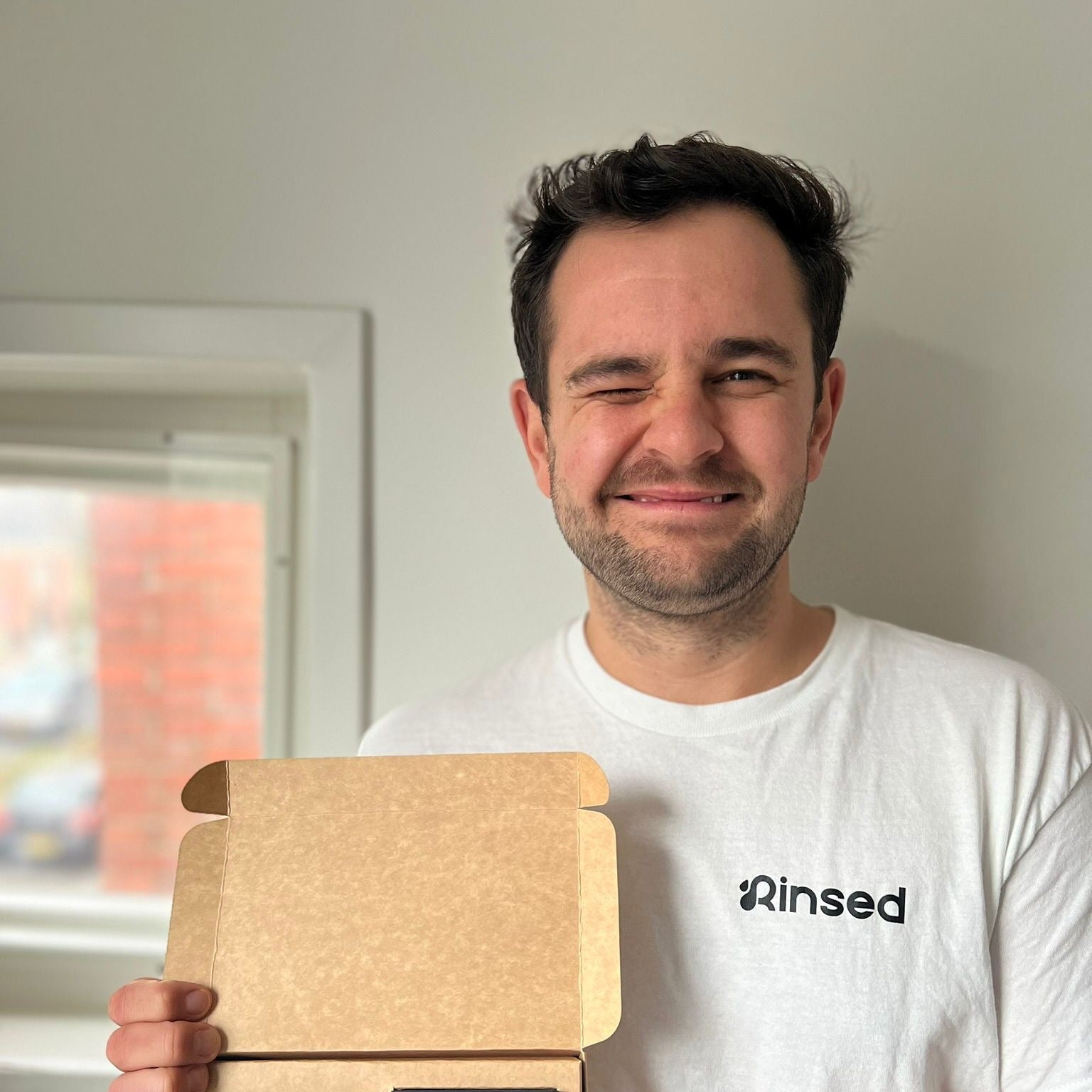
Alexandre
Founder @Rinsed™
Hey, I’m Alexandre! I started Rinsed™ for people like myself: sporty, hardworking and always on the go. Check out our bars!