
Note to travelling surfers
- Ecosystem first. Be kind to the environment you’re visiting: don’t leave any trash behind.
- Be kind to locals. Every lineup has an order and it was earned over years. Wait your turn, and respect local etiquette.
- Fly less, stay longer. The flight is the biggest impact of any surf trip. Two weeks once beats one week twice!
The best surfing destinations in Spain are Mundaka in the Basque Country for its world famous rivermouth left, San Sebastián for city surfing at Zurriola Beach, Rodiles in Asturias for long sand-bottom rides, Sopelana near Bilbao for consistent beach breaks, and Pantin and Razo in Galicia for powerful, reliable Atlantic surf. September to April is the main season, with autumn offering the best mix of swell, wind and water temperature. Beginners should head for Laida, Zarautz, Plentzia or Valdoviño between May and September.
Hey surfers! Want to score some incredible waves along Spain's diverse coastline in 2026?
Whether you're after perfect point breaks or fun beach breaks, Spain packs a serious variety of wave types across its northern and western shores.
From the legendary left at Mundaka to the beginner friendly beaches of Cantabria, there's something here for pretty much every surfer's taste and ability.
The Atlantic delivers consistent swells from autumn through spring, while the Mediterranean offers its own unique window of opportunity.
Let's (duck)dive into this guide about the best surfing destinations in Spain!
- 1. Mundaka (Basque Country)
- 2. San Sebastian (Zurriola Beach, Basque Country)
- 3. Rodiles (Asturias)
- 4. Sopelana (Basque Country)
- 5. Pantin (Galicia)
- 6. Razo (Galicia)
- 7. How to surf safely in Spain (by level)
- 8. Surf spots in Spain: locals and the environment
- 9. Summary
- 10. Frequently asked questions

Mundaka (Basque Country)
Mundaka is one of Europe's most celebrated waves, and for good reason.
This rivermouth left produces long, tubular walls that can peel for hundreds of meters when everything lines up perfectly.
It's not a wave you cruise casually. Mundaka demands sharp reflexes, strong paddling, and solid barrel riding skills when it's firing at size.
The sandbar shifts with the seasons, so what works in October might be completely different by February.
What are the best surf spots in Mundaka?
This table gives you a rough starting point for the area. Remember these are estimates only, so always err on the side of caution and check conditions before paddling out.
| Spot | Skill Level | Wave Size (meters) | Best Months |
| Mundaka (the main left) | Expert only | 1.5 to 4.0m (can get much bigger) | Sep to Mar |
| Laida Beach (across river) | Beginner to Intermediate | 0.5 to 1.5m | May to Sep |
| Laga Beach (nearby) | Intermediate to Advanced | 1.0 to 3.0m | Oct to Apr |
| Bakio (nearby) | Intermediate | 0.8 to 2.5m | Year round |

San Sebastian (Zurriola Beach, Basque Country)
San Sebastian gives you something rare: proper city life mixed with genuine Atlantic surf. Zurriola Beach sits right in the city center and picks up plenty of swell throughout the year.
The waves here can range from soft and learner friendly to punchy and hollow depending on what the ocean sends.
It gets crowded because of the easy access, so patience and good lineup etiquette really matter here.
What are the best surf spots in the San Sebastian area?
Use this table as a basic guide, but remember to adapt your choice based on the live forecast and what you see happening in the water. Play it safe.
| Spot | Skill Level | Wave Size (meters) | Best Months |
| Zurriola Beach | Beginner to Advanced | 0.5 to 3.0m | Year round |
| La Concha (rarely breaks) | Beginner | 0.5 to 1.0m (needs big swell) | Oct to Feb |
| Zarautz (nearby) | Beginner to Intermediate | 0.5 to 2.0m | Year round |
| Orrua (Zumaia, nearby) | Advanced to Expert | 1.5 to 4.0m | Sep to Mar |

Rodiles (Asturias)
Rodiles is a stunning rivermouth setup that works across different swell sizes and creates long, workable rides when conditions cooperate.
The wave breaks over sand, making it more forgiving than reef setups, but it still demands respect when size increases.
On smaller days it's great for progression, while bigger swells turn it into a performance wave that attracts experienced surfers from across the region.
What are the best surf spots in the Rodiles area?
This breakdown is approximate and meant to point you in the right direction. Always watch the lineup first and stay conservative with your wave selection.
| Spot | Skill Level | Wave Size (meters) | Best Months |
| Rodiles (main peak) | Intermediate to Advanced | 0.8 to 3.0m | Sep to Apr |
| Vega Beach | Beginner to Intermediate | 0.5 to 2.0m | May to Oct |
| Gijón beaches | Beginner to Intermediate | 0.5 to 1.8m | Year round |
| Salinas (nearby) | Intermediate | 0.8 to 2.5m | Sep to Mar |

Shower gel bottles are really bulky and unkind to the places we travel to: there's enough plastic in the ocean as it is! That's partly why I started Rinsed™: pocket-sized bars to be fresh anywhere I go!

Shampoo, body and face wash, all in one bar. Cooling, refreshing and designed for those always on the go.
Sopelana (Basque Country)
Sopelana sits just outside Bilbao and offers consistent beach break action throughout the year.
The beach has multiple peaks that spread surfers out nicely, and the vibe tends to be more relaxed than the heavier Basque reef spots.
When swells arrive from the northwest, Sopelana can produce quality, hollow sections that reward good positioning and timing.
What are the best surf spots in the Sopelana area?
Here's a practical overview of nearby options. These are rough guidelines, so always prioritise safety and match the wave to your actual skill level, not what you hope to surf.
| Spot | Skill Level | Wave Size (meters) | Best Months |
| Sopelana (Atxabiribil) | Beginner to Advanced | 0.5 to 2.5m | Year round |
| Sopelana (Barinatxe / La Salvaje) | Intermediate to Advanced | 1.0 to 3.0m | Sep to Apr |
| Getxo beaches | Beginner to Intermediate | 0.5 to 1.5m | May to Sep |
| Plentzia | Beginner | 0.5 to 1.2m | Year round |

Pantin (Galicia)
Pantin hosts an annual professional surf competition, which tells you everything about its wave quality.
This beach delivers powerful, consistent surf that can handle serious swell and still maintain shape.
The waves here are fast and punchy, rewarding committed surfing and solid technique. When autumn swells light it up, Pantin becomes a proper performance zone.
What are the best surf spots in the Pantin area?
This table gives you approximate ranges for planning purposes. Conditions change constantly, so check reports, watch from the beach, and don't push beyond your limits.
| Spot | Skill Level | Wave Size (meters) | Best Months |
| Pantin | Intermediate to Expert | 1.0 to 4.0m | Sep to Nov |
| Valdoviño (nearby) | Beginner to Intermediate | 0.5 to 2.0m | Apr to Oct |
| Doniños Beach | Intermediate to Advanced | 0.8 to 3.0m | Sep to Mar |
| Frouxeira | Beginner to Intermediate | 0.5 to 1.8m | Year round |

Razo (Galicia)
Razo is a long, exposed beach that catches virtually every swell that moves through Galicia.
The consistency here is exceptional, making it a reliable choice when other spots are flat or blown out.
Multiple peaks work across the stretch of sand, so even when it's busy you can usually find space. The trade off for all that consistency is exposure to wind, so timing your sessions matters.
What are the best surf spots in the Razo area?
Here's your basic framework for the zone. Remember these are approximations to help you plan, not guarantees. Always choose the safer option when in doubt.
| Spot | Skill Level | Wave Size (meters) | Best Months |
| Razo Beach | Beginner to Advanced | 0.5 to 3.0m | Year round |
| Baldaio Beach (connected) | Beginner to Intermediate | 0.5 to 2.0m | Year round |
| Santa Comba | Intermediate | 0.8 to 2.5m | Sep to Apr |
| Niñóns (nearby) | Advanced to Expert | 1.5 to 4.0m | Oct to Mar |

Shampoo, body and face wash, all in one bar. Keep your hair and skin healthy on the go. Monoï-infused scent with a touch of vanilla. Designed for those always on the go.

How to surf safely in Spain (by level)
Picking a wave that matches your actual ability isn't optional. Spanish surf can go from mellow to heavy really fast depending on where you are and what the Atlantic is doing.
Beginner surfers
Choose lifeguarded beaches and surf during patrol hours whenever possible. Take lessons early in your trip so you learn local hazards and conditions.
If the current or rip situation looks sketchy, don't guess. Ask instructors, lifeguards, or experienced locals before going out.
Intermediate surfers
Keep your sessions manageable. If you're getting hammered repeatedly, the wave is too big or too steep for you that day.
Give plenty of room in crowded lineups and don't paddle into the priority zone. Pay attention to tide changes and wind direction because conditions can flip quickly along the Spanish coast.
Advanced surfers
Read the beach thoroughly before paddling out. Identify channels, rip currents, hazards, and how the sets are breaking.
Surf with someone else on bigger days and agree on signals and exit plans beforehand. If locals tell you conditions are dangerous or not working, take their advice seriously and find another spot.

Surf spots in Spain: locals and the environment
Spain's surf communities stay healthy when visitors show up with respect and awareness, not just boards and wetsuits.
Respect locals
Follow basic lineup rules. Don't drop in on anyone, don't snake waves, and don't camp on the inside.
Watch how the lineup works before paddling into the peak area. Keep conversations friendly and brief when it's crowded.
Don't paddle through the impact zone or sit directly on top of someone already positioned.
Be respectful outside the water too. Park properly, keep noise levels reasonable, and use marked paths to access the beach.

Respect the environment
Pack out every single thing you bring, including wax scraps, broken leash pieces, and snack wrappers.
Stay on official trails to protect dunes and coastal plants.
Don't rinse shampoo or soap near drains that lead back to the ocean. You can also join beach cleanup efforts if they're happening during your visit!
Summary
Spain delivers world class surf opportunities that range from the legendary perfection of Mundaka to beginner friendly beaches across Galicia and Cantabria.
You can hunt barrels in the Basque Country, enjoy long point breaks in Asturias, or clock consistent beach break sessions along the Galician coast.
Match your destination to your real ability level, not your aspirations. Then fine tune your daily choices based on swell direction, wind, and tide.
Check forecasts carefully, stay humble in lineups, and prioritise safety over ego. Spain's waves will still be there tomorrow!
Planning a wider trip? Compare Spain with the rest of the continent in our guide to the best surfing destinations in Europe, or cross the border to the best surfing destinations in France.
Frequently asked questions
Where is the best place to surf in Spain?
Mundaka in the Basque Country has the most famous wave, a rivermouth left that can peel for hundreds of metres, but it is for expert surfers only. For most visiting surfers, San Sebastián and Sopelana are the better bases, and Galicia around Pantin and Razo offers the most consistent surf in the country.
When is the best time to surf in Spain?
September to April, with autumn the standout. Atlantic swells become consistent from September while the water is still relatively warm, and the summer crowds have gone. Mundaka is at its best between September and March.
Where can beginners surf in Spain?
Laida Beach across the river from Mundaka, Zarautz near San Sebastián, Plentzia and Getxo near Bilbao, Vega Beach in Asturias, and Valdoviño in Galicia. Most are in the 0.5 to 2m range and work best between May and September.
Can you surf Mundaka as an intermediate?
Not when it is working properly. Mundaka is an expert-only wave at 1.5 to 4m that demands strong paddling and barrel riding. Laida Beach sits directly across the river and is beginner to intermediate friendly, so you can watch Mundaka and still get a session in.
Do you need a wetsuit to surf in northern Spain?
Yes. The Bay of Biscay is cool even in summer, so a 3/2mm is standard from spring to autumn and a 4/3mm with boots is normal in winter. Galicia runs colder still, especially when it is windy.
Is Spain or Portugal better for surfing?
Portugal is more consistent and easier to travel around, which makes it the safer bet for a first surf trip. Spain wins on quality at its best spots, notably Mundaka, and on combining surf with city life in San Sebastián or Bilbao. Many surfers do both in one trip since the coasts connect.
Pack lighter for your next surf trip
One 80g bar for hair, body and face. No bottles to leak through your boardbag, no liquid limits at the airport, and 30 to 60 washes per bar.
Travel with Rinsed™ →30 day money back guarantee, no questions asked.
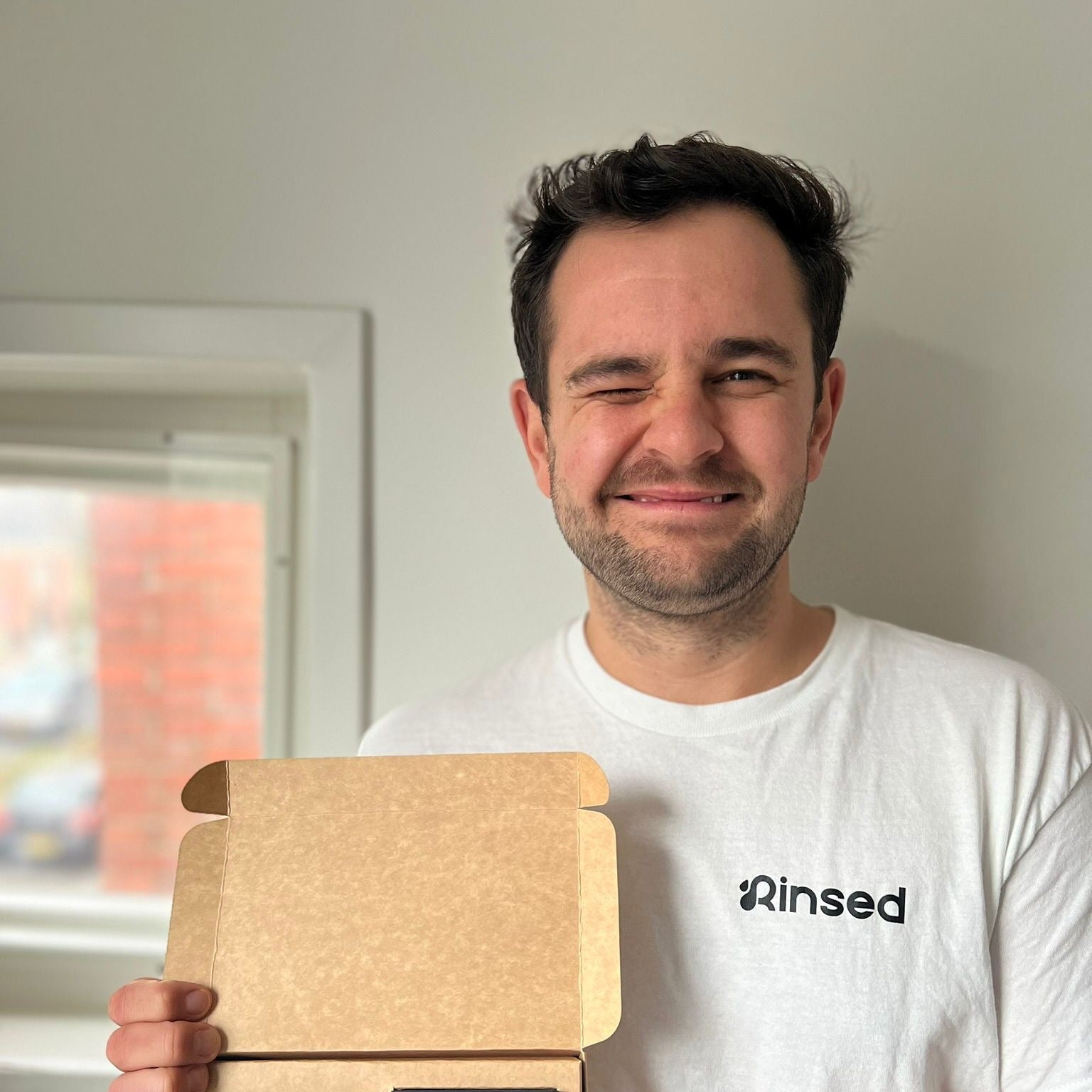
Alexandre
Founder @Rinsed™
Hey, I’m Alexandre! I started Rinsed™ for people like myself: sporty, hardworking and always on the go. Check out our bars!