

Note to travelling surfers
- Ecosystem first. Be kind to the environment you’re visiting: don’t leave any trash behind.
- Be kind to locals. Every lineup has an order and it was earned over years. Wait your turn, and respect local etiquette.
- Fly less, stay longer. The flight is the biggest impact of any surf trip. Two weeks once beats one week twice!
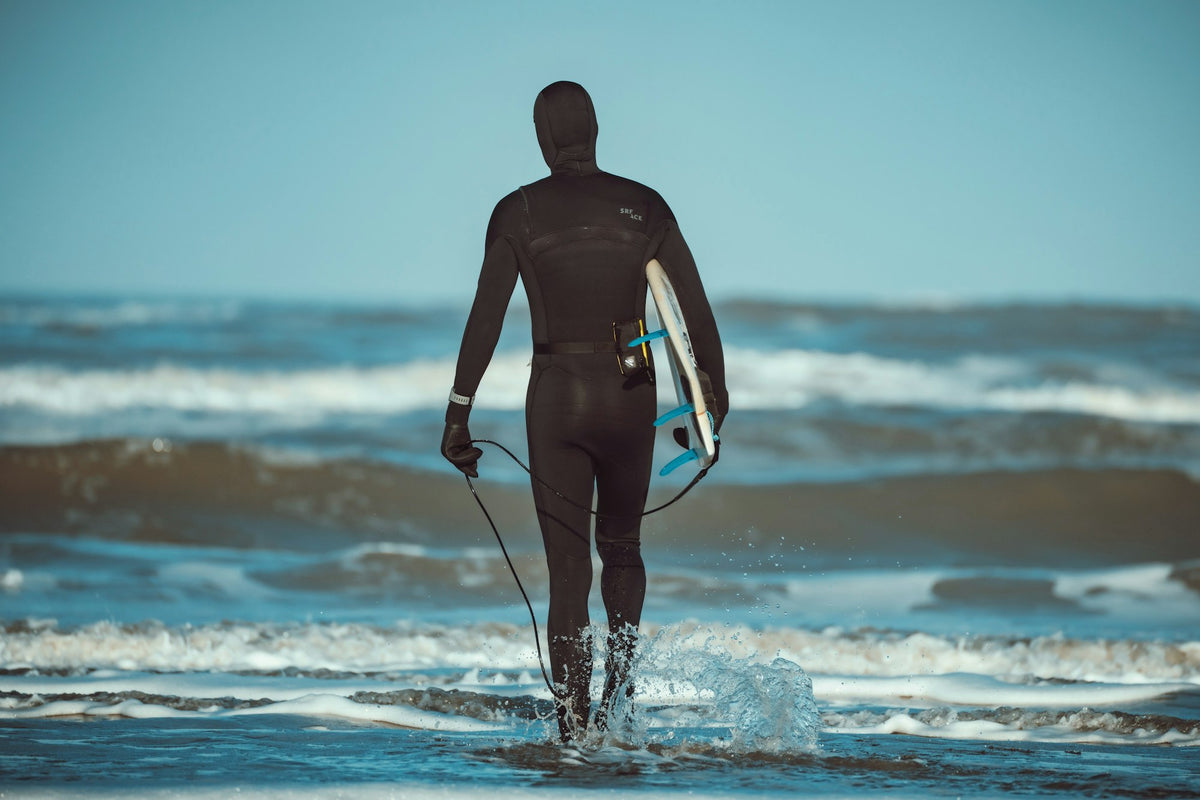
To stay warm surfing the North Sea and the Channel in winter, wear a 5/4mm or 6/5/4mm wetsuit with a hood, 5mm boots and gloves, get changed out of the wind, keep sessions shorter than in summer, and never paddle out alone.
From Scheveningen and Zandvoort to Domburg, the Belgian coast and the Opal Coast, the water drops to somewhere between 2 and 9°C in late February, depending on the spot and the year. Brittany and Normandy stay a few degrees milder, but not by much. The surf forecasters recommend the same full winter kit for almost all of them.
This is a practical guide for surfers in the Netherlands, Belgium and northern France who keep going from November to March. It's built as a "before, in the water, after" checklist. For where to go, start with our guide to surfing in the Netherlands and Belgium.
How cold is the North Sea and the Atlantic in winter?
The southern North Sea bottoms out at roughly 2 to 9°C in late February, while western Brittany stays nearer 10 to 11°C. The table below takes the coldest point of the year from each spot's water temperature guide on Surf-Forecast, plus the suit those forecasters recommend for that week.
| Spot | Coast | Coldest water (range) | Around | Suggested wetsuit |
|---|---|---|---|---|
| Scheveningen | North Sea, South Holland | 3 to 9°C | 18 February | 6/5/4mm, or a well fitting 5/4mm, with gloves, 5mm boots and a hood |
| Zandvoort | North Sea, North Holland | 2 to 8°C | 23 February | 6/5/4mm, or a well fitting 5/4mm, with gloves, 5mm boots and a hood |
| Domburg | North Sea, Zeeland | 3 to 8°C | 25 February | 6/5/4mm, or a well fitting 5/4mm, with gloves, 5mm boots and a hood |
| Oostende | North Sea, Belgian coast | 4 to 9°C | 23 February | 6/5/4mm, or a well fitting 5/4mm, with gloves, 5mm boots and a hood |
| Wissant | Channel, Opal Coast | 5 to 9°C | 23 February | 6/5/4mm, or a well fitting 5/4mm, with gloves, 5mm boots and a hood |
| Siouville | Channel, Cotentin (Normandy) | 8 to 9°C | 1 March | 6/5/4mm, or a well fitting 5/4mm, with gloves, 5mm boots and a hood |
| La Torche | Atlantic, south Finistère (Brittany) | 10 to 11°C | 1 March | 5/4mm or 5/3mm with gloves and 3mm boots, plus a hood if it's windy or the air is cold |
Those are ranges across years, not a promise for any given week. For a month by month feel, seatemperature.org's long-term averages for Scheveningen show the water at 12.9°C in November, 9.4°C in December and 6.4°C in January, February and March. So November can still be 4/3mm territory for some people, and by January almost everyone on the Dutch coast is in full winter kit.
For spots on other coasts, see our guides to surfing in Denmark and Brittany.
Which wetsuit, hood, boots and gloves do you need?
For water under about 9°C, wetsuit brands recommend a 5/4mm or 6/5mm hooded full suit with boots and gloves. Rip Curl's thickness guide works as a good starting point. Converted to Celsius, it reads roughly like this:
- 13 to 16°C: 4/3mm full suit, boots recommended.
- 9 to 13°C: 4/3mm or 5/4mm full suit, boots and gloves.
- Below 9°C: 5/4mm or 6/5mm hooded full suit, with boots, gloves and a hood.
The brand presents these as a starting point and says wind, session length and your own tolerance to cold can justify going up a thickness. That fits the North Sea well: a grey January day with a stiff wind feels colder than the water temperature alone suggests.
- Fit matters. The surf forecasters offer "a well fitting 5/4mm" as the alternative to a 6/5/4mm.
- Hood. The RNLI's surfing advice is to wear a neoprene hood if you get cold easily.
- Boots and gloves. The forecasters suggest 5mm boots for the coldest weeks on the North Sea coast and 3mm for La Torche.
Our wetsuit thickness guide goes into the full range by season, and the sister guide on what to wear under a wetsuit covers thermal tops and base layers.
Before you go: forecast, daylight and who knows where you are
In winter, plan around the forecast, the short day and a friend, in that order.
Check the forecast properly
The RNLI's surfing advice is to check the local wind, swell and tide forecasts before you set out. In winter the North Sea can switch from flat to stormy in a day, and the swell is mostly short-period wind swell. Surf-Forecast's guide to Scheveningen Pier, for example, says it works best on a north-west swell with an easterly to south-easterly offshore wind, and warns about rips and obstacles. Its La Torche guide lists a west-south-west swell with an easterly wind as the best combination and warns about rocks.
If you're not sure how to read swell period, wind direction and tide, our guide on how to read a surf forecast walks you through it.
Storms and big days
The RNLI's winter advice for coastal visitors is to keep away from beachfronts, cliff edges and piers in strong winds and big waves, to weigh the conditions against your own ability, and, if in doubt, to stay on dry land and watch. Read the safety signs at the beach entrance and ask locals if you can.
Rips are there all year. The sister guide on beach flags and rip currents explains what the flags mean and what the RNLI says to do if you're caught in one.
Short days
On the shortest day of the year, the Netherlands gets only about 7 hours and 43 minutes of daylight, with sunrise around 8:46 and sunset around 16:29. That leaves a small window once you count the drive and getting changed. Aim to be out of the water well before dusk, so you're not looking for the car park or a missing friend in the dark.
Never alone, and tell someone
The RNLI's surfing advice is clear: surf with a mate, and tell someone where you're going, when, and when you expect to be back. Its winter advice adds that you should carry a means of contact such as a mobile phone. The Dutch lifeboat service KNRM says the same on its page for surfers (written mainly with kitesurfers in mind): never go out on the water alone. It also offers a free waterproof "Be Traceable" sticker with your name and phone number for your board, so if it washes up without you, a search isn't started for nothing.
In an emergency, the RNLI's advice is to call 999 or 112 and ask for the coastguard. 999 is the UK number. On the Dutch, Belgian and French coast, 112 is the one to use.
Pack the car the night before
Suit, hood, boots, gloves, changing robe, warm clothes, a hat, a hot drink and your wash kit. A big plastic tub for the wet suit keeps the car boot dry. Keep the wash kit small and leak-free, because it'll sit in a cold, damp car or bag all winter.

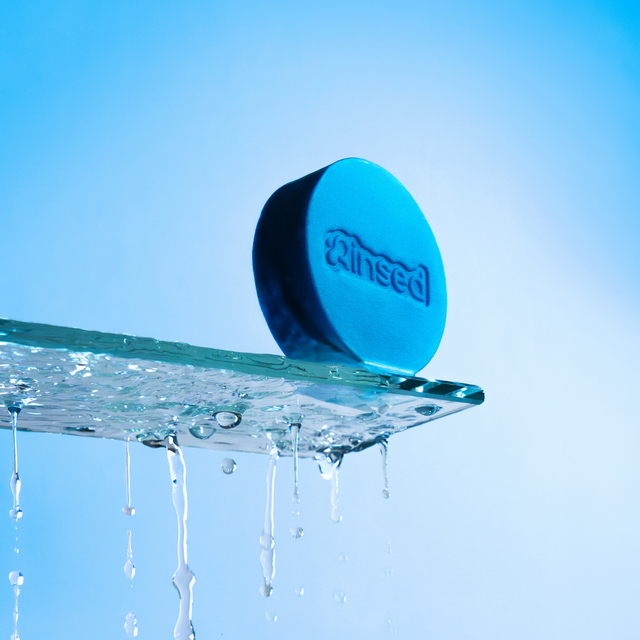
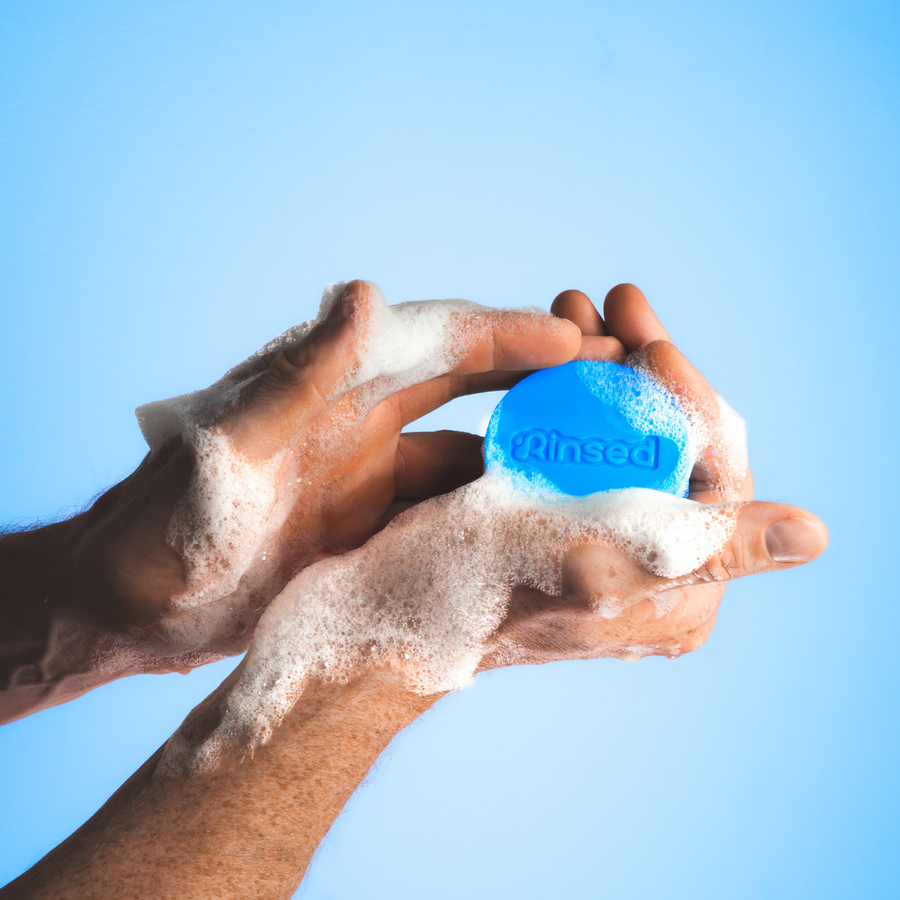
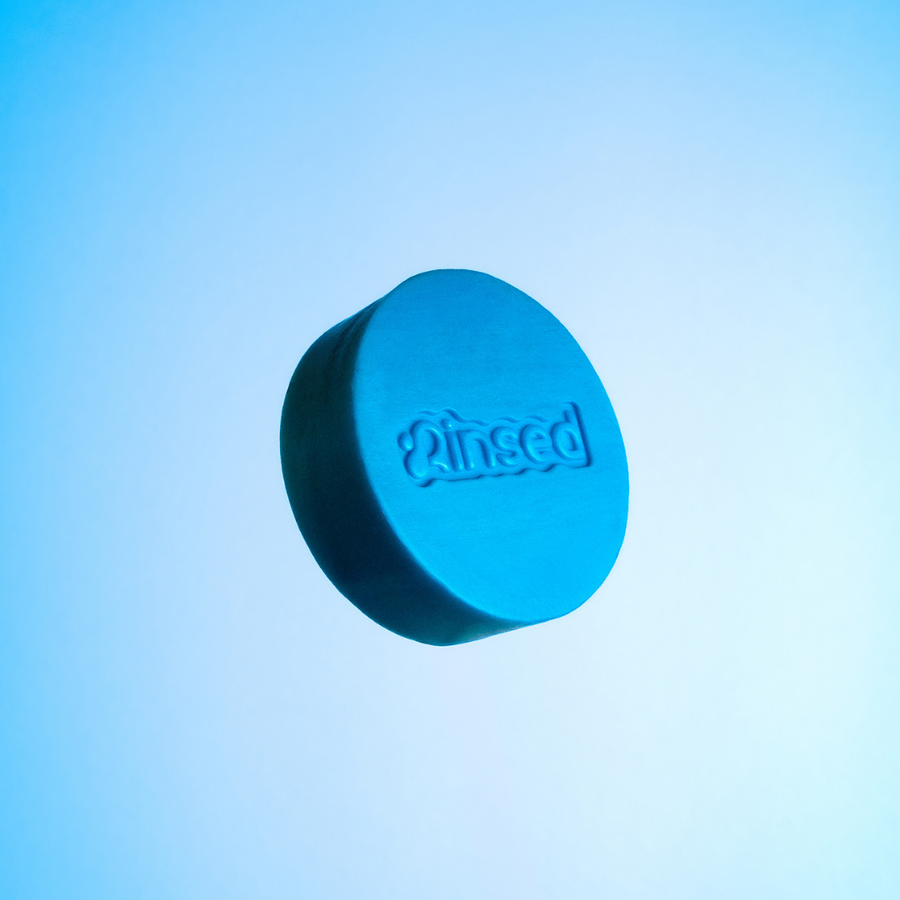
Shampoo, body and face wash, all in one bar. Cooling, refreshing and designed for those always on the go.
One solid bar for hair, body and face means no bottle to crack in the cold and nothing to leak over your dry clothes. With the bag sorted, here's what to keep in mind once you're on the beach.
In the water: cold water shock and knowing when to come in
The first minute in cold water is the risky part, and the RNLI's advice is to get in slowly and get your breathing under control before you paddle hard.
Cold water shock
The RNLI says cold water shock can happen in water below 15°C, so it applies to every winter session on this coast. It describes it as something that makes you lose control of your breathing and movement, with heart rate and blood pressure rising quickly. The Royal Life Saving Society UK describes the same reactions: a gasp, then rapid breathing, and a rise in blood pressure. The RNLI says the initial effects pass in less than a minute, so don't try to swim hard straight away.
A good wetsuit helps. The RNLI's cold water advice says a wetsuit can increase your buoyancy and decrease the chances of cold water shock, and the UK Met Office says a wetsuit or drysuit can help reduce the risk. In practice: wade in, splash your face, let your breathing settle, then paddle.
If you do get into difficulty, the RNLI's "Float to Live" advice is to tilt your head back with your ears in the water, relax, control your breathing, and use your hands and legs gently to stay afloat. Your board helps here too: the RNLI's surfing advice is always to wear a leash so you stay connected to it.
Know when to come in
The Met Office's cold water guidance lists shivering, weakness, disorientation and shortness of breath as signs it's time to get out, and the Royal Life Saving Society UK advises leaving the water before your muscles cool. The KNRM adds that cold makes you tired, weakens your swimming and clouds your judgement, and that it's worth wearing a cap and gloves in winter.
A simple habit: agree with your friend how long you'll stay, and come in together.
After the surf: getting changed and warming up
Get out of the wind, get the wet suit off, get dry and get layers on, quickly and in that order.
Getting changed in the cold
The RNLI's cold water advice is to dry yourself as soon as possible, remove all wet layers, pat yourself dry, and then layer up with thermals, warm jumpers, a hat and a warm coat. A few everyday tricks make that easier:
- A changing robe lets you strip off on the car park without an audience and keeps the wind off.
- Lay your dry clothes out in the order you'll put them on, with the hat on top.
- A bottle of warm water from home, kept wrapped in a towel in the car, is handy for rinsing sand off your feet and loosening a tight wetsuit.
- Stand on a mat or the tub lid rather than the cold, wet ground.
- Have a hot drink waiting in a flask. The RNLI suggests taking warm clothes and a hot drink for before and after.
Hypothermia and afterdrop
The NHS lists the signs of hypothermia as shivering, pale cold skin, lips or skin that may look blue or grey, slurred speech, slow breathing, and tiredness or confusion. Its advice is to get emergency help if you think someone has hypothermia, to move them somewhere sheltered, remove wet clothing, wrap them in a blanket or dry towel with their head covered, and offer a warm non-alcoholic drink if they're fully awake. It also says not to use a hot bath, a hot water bottle or a heat lamp to warm them, and not to rub their arms and legs.
The Royal Life Saving Society UK warns that hypothermia remains a risk even after you leave the water if you don't warm up promptly. An RNLI magazine story about a rescued swimmer describes "afterdrop" as a sudden decrease in body temperature after leaving the water, and describes the crew removing his wet clothes and using dry blankets to warm him gradually. If you or a friend feel unwell after a cold session, get proper help.
The warm shower after
For most of us, the best bit of a winter surf is the warm shower at home or at the surf club. That's also where the salt and sand come out of your hair and skin. Our guide on how to rinse off after a surf has the routine, and what saltwater does to surf hair explains why salt leaves it feeling stiff and dry.
If you shower at the beach, the outdoor showers are for sand and salt only. Don't rinse shampoo or soap directly into the ocean or into beach showers that drain to the sea. Lather only where the water goes into a drain.
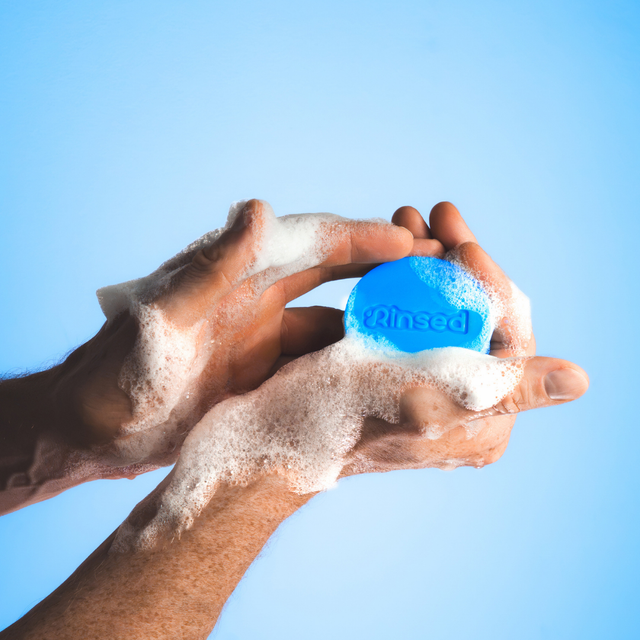
A shower bag that lives in the car all winter needs to cope with cold and damp. A solid bar takes up little space and doesn't leak.

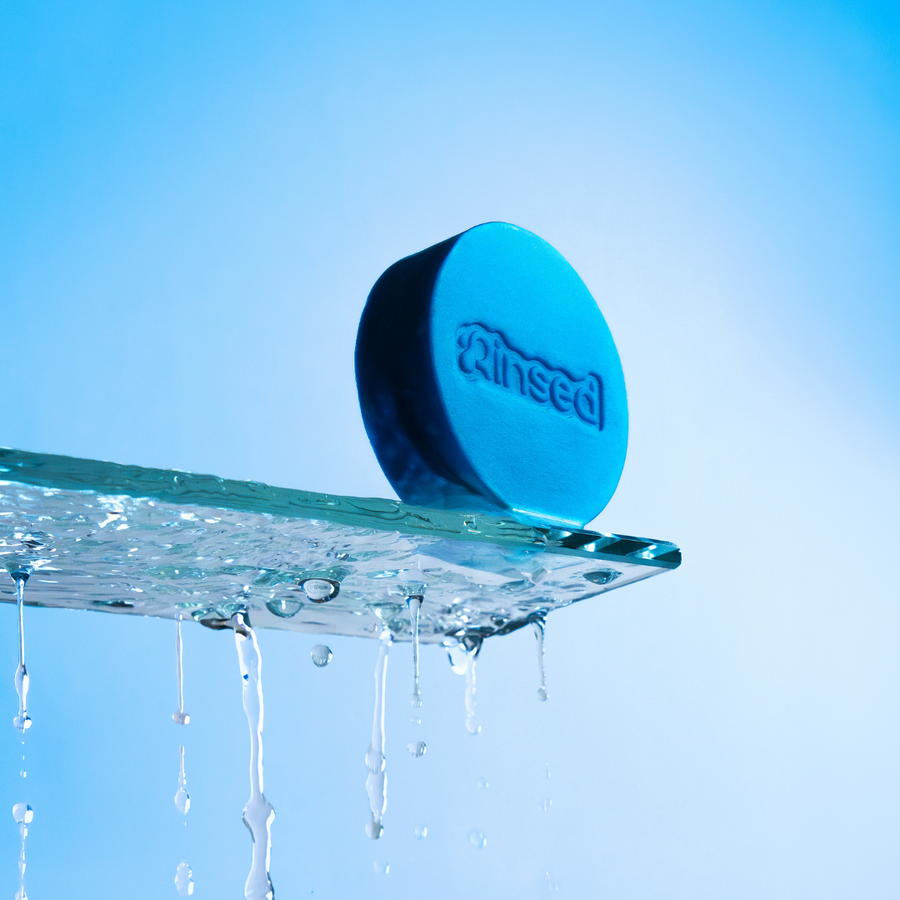
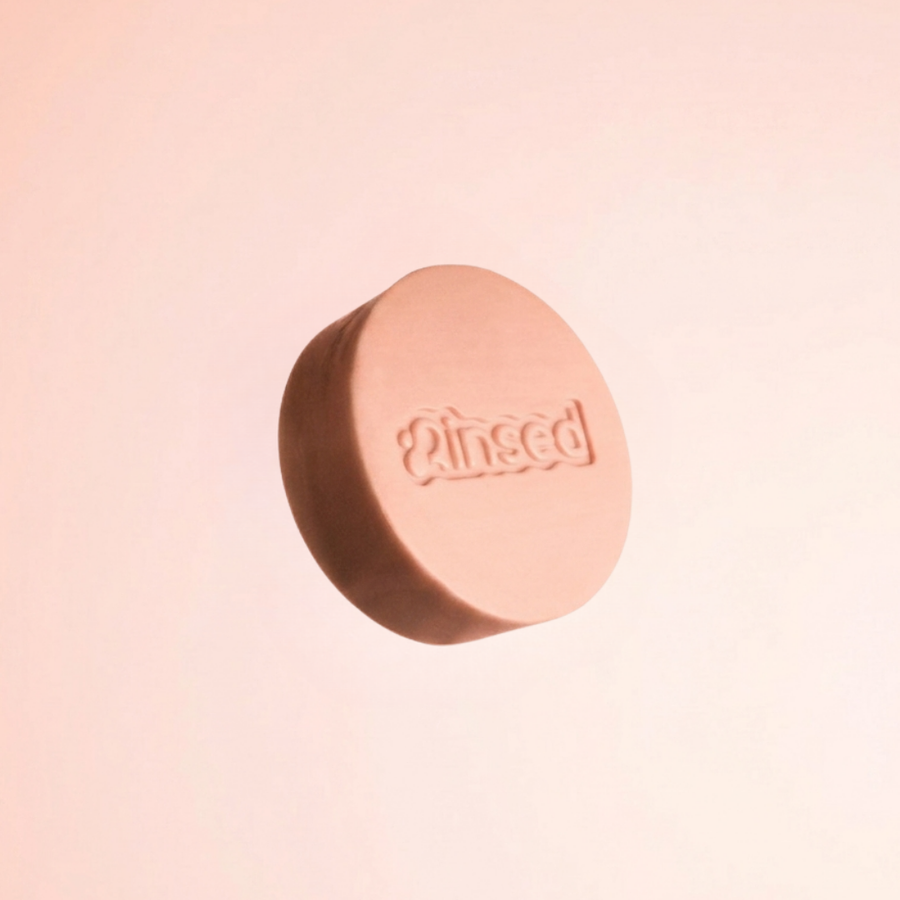
Shampoo, body and face wash, all in one bar. Keep your hair and skin healthy on the go. Monoï-infused scent with a touch of vanilla. Designed for those always on the go.
Let the bar dry between uses (a small mesh bag on the dashboard works) and it's ready for the next session. Then there's the suit.
Looking after your winter wetsuit
A thick winter suit can stay damp for days in a cold garage. Our guide on how to get rid of wetsuit smell has the rinse and drying routine.
What's different about the North Sea in winter?
On the North Sea, winter is about catching short windows. Surf-Forecast notes that Scheveningen's summer tends to be mostly flat, so the colder months are when the Dutch coast works. The waves usually arrive with the wind that makes them, so clean spells tend to be short.
Brittany and Normandy face more open water, with groundswell as well as wind swell. Surf-Forecast describes La Torche as fairly consistent and getting both local windswells and distant groundswells. The Channel coast from Wissant to Siouville is only a little warmer than the Dutch coast in late winter. Our guide to surfing in Normandy and northern France covers the spots.
Whichever coast you pick, you'll be back at the car with salty hair and cold hands. A simple wash bag is one less thing to think about.
Shampoo, body and face wash, all in one bar. Cooling, refreshing and designed for those always on the go.
And if the cold gets to you by February, there's no shame in a warm-water trip: our lists of the best surfing destinations in December and in January have options from the Canaries to further afield.
Summary
The Dutch, Belgian and northern French coast drops to roughly 2 to 9°C at its coldest, so plan on a 5/4mm or 6/5/4mm hooded suit with boots and gloves (see our wetsuit thickness guide). Check the forecast, mind the short days, surf with a friend and tell someone your plans. Get in slowly, get out before you're too cold, then dry off, layer up and enjoy a warm shower and a proper rinse. For spots, start with surfing in the Netherlands and Belgium.
Frequently asked questions
How cold is the North Sea in winter?
At its coldest, around the second half of February, Surf-Forecast gives ranges of 2 to 8°C at Zandvoort, 3 to 9°C at Scheveningen and 4 to 9°C at Oostende. Seatemperature.org's long-term averages for Scheveningen are 9.4°C in December and 6.4°C from January to March.
What wetsuit do I need to surf in the Netherlands in winter?
For the coldest weeks, the surf forecasters recommend a 6/5/4mm suit, or a well fitting 5/4mm, with gloves, 5mm boots and a hood. Rip Curl's guide suggests a 5/4mm or 6/5mm hooded suit with boots, gloves and hood for water below about 9°C.
Is Brittany warmer than the North Sea in winter?
A little. Surf-Forecast puts La Torche at around 10 to 11°C at its coldest in early March and suggests a 5/4mm or 5/3mm suit with gloves and 3mm boots, plus a hood if it's windy or the air is cold.
Do I really need a hood and gloves?
For the North Sea and Channel in mid winter, the forecasters list them as part of the recommended kit. The RNLI suggests a neoprene hood if you get cold easily, and the KNRM advises a cap and gloves in winter.
What is cold water shock?
The RNLI describes it as a reaction to water below 15°C that makes you lose control of your breathing and movement, with heart rate and blood pressure rising fast. It says the initial effects pass in less than a minute, so get in slowly and don't swim hard straight away.
Can I surf alone in winter?
The RNLI and KNRM both advise against it. Surf with a friend, tell someone where you're going and when you'll be back, and carry a phone.
What are the signs of hypothermia?
The NHS lists shivering, pale and cold skin, blue or grey lips or skin, slurred speech, slow breathing, and tiredness or confusion. If you think someone has hypothermia, get emergency help and follow the NHS first aid advice.
What is afterdrop?
An RNLI magazine story describes afterdrop as a sudden decrease in body temperature after leaving the water. The Royal Life Saving Society UK warns that hypothermia remains a risk after you get out if you don't warm up promptly.
How do I get changed quickly in the cold?
Get out of the wind, use a changing robe, and have dry clothes laid out in order. The RNLI advises drying off as soon as possible, removing all wet layers and layering up with thermals, a hat and a warm coat.
Can I wash my hair in the beach shower after a winter surf?
Use beach showers for sand and salt only. Don't rinse shampoo or soap directly into the ocean or into beach showers that drain to the sea. Lather only where the water goes into a drain, like your shower at home.
Sources
The facts in this article are based on the sources below, checked in October 2026.
- Scheveningen Pier water temperature and wetsuit guide. Surf-Forecast, 2026.
- Zandvoort water temperature and wetsuit guide. Surf-Forecast, 2026.
- Domburg water temperature and wetsuit guide. Surf-Forecast, 2026.
- Oostende water temperature and wetsuit guide. Surf-Forecast, 2026.
- Wissant water temperature and wetsuit guide. Surf-Forecast, 2026.
- Siouville water temperature and wetsuit guide. Surf-Forecast, 2026.
- La Torche water temperature and wetsuit guide. Surf-Forecast, 2026.
- Scheveningen Pier surf guide. Surf-Forecast, 2026.
- La Torche surf guide. Surf-Forecast, 2026.
- Scheveningen average sea temperatures. Seatemperature.org, 2026.
- Wetsuit temperature and thickness guide. Rip Curl, 2026.
- Surfing: tips and advice on how to surf safely. RNLI, 2026.
- Float to Live. RNLI, 2026.
- What is cold water dipping?. RNLI, 2026.
- RNLI offers winter safety advice to coastal visitors. RNLI, 2024.
- Arran RNLI share cold water safety tips. RNLI, 2024.
- RNLI reminds New Year dippers and open water swimmers of risks. RNLI, 2025.
- Freezing and paralysed: Skerries race to the rescue of a hypothermic swimmer. RNLI, 2017.
- Cold water shock: the facts. Royal Life Saving Society UK, 2026.
- Hypothermia. NHS, 2026.
- Cold water shock: what it is and how to stay safe. Met Office, 2025.
- Surf veilig: KNRM tips voor surfers. KNRM, 2026.
- Winter solstice: shortest day of the year marked by clouds, rain, fog. NL Times, 2022.