




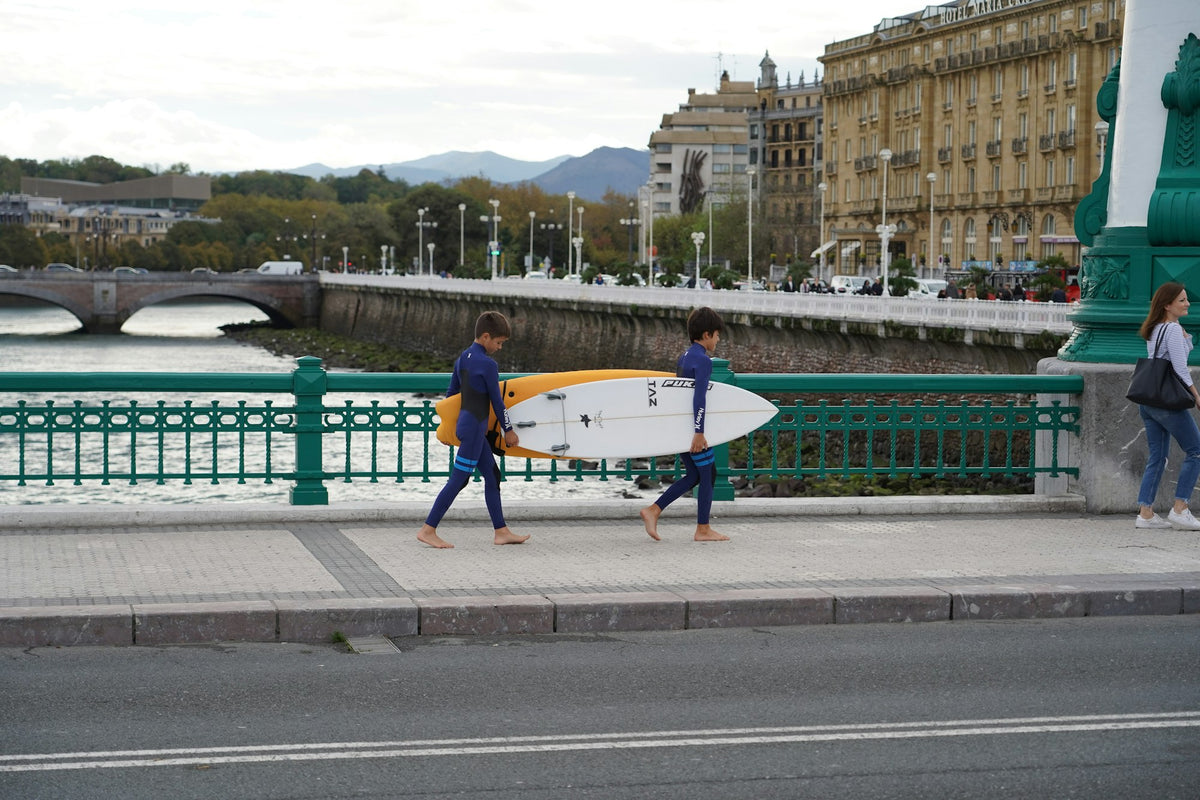
Note to travelling surfers
- Ecosystem first. Be kind to the environment you’re visiting: don’t leave any trash behind.
- Be kind to locals. Every lineup has an order and it was earned over years. Wait your turn, and respect local etiquette.
- Fly less, stay longer. The flight is the biggest impact of any surf trip. Two weeks once beats one week twice!
The best surf trips with a non-surfing partner go to places where the waves sit right next to a town, good food, culture or a hiking trail, so both of you have a full day. Our nine picks: San Sebastián, Biarritz and the Basque Coast, Ericeira with Sintra and Lisbon, Porto, the Algarve, Madeira, Cornwall, Lanzarote (or Fuerteventura) and Bali with Ubud.
The trick is simple. The surfer needs a reliable break within easy reach, and the non-surfer needs more than a beach towel and a book. When the old town or the coastal path is a short walk from the lineup, you can split up for a session and meet again for lunch.
Travelling alone instead? Our guide to the best solo surf trips is the better read.
Which surf destinations work for a surfer and a non-surfer?
All nine work because the surf and the non-surf highlights are in the same place, not an hour's drive apart. The "Best time" column is based on the surf forecasters' best month for a named break and, where it matters, on when trails or sites are open.
| Destination | Surf for | Non-surfer highlights | Best time |
|---|---|---|---|
| San Sebastián | Zurriola beach break, crowded at times | Old town pintxo bars, Mount Urgull viewpoints | Autumn and winter for surf (October best at Zurriola); the city is a year-round visit |
| Biarritz and the Basque Coast | Côte des Basques, best at low tide | Rocher de la Vierge, lighthouse, aquarium, market, museums | Autumn (October best at Côte des Basques) |
| Ericeira, Sintra and Lisbon | Europe's first World Surfing Reserve | Sintra's UNESCO palaces and parks, Lisbon day trips | See our Ericeira guide for the surf season |
| Porto | Matosinhos city beach, small days can suit beginners | UNESCO historic centre, Luiz I Bridge, the Douro | Winter for surf (December best); works any time of year |
| Algarve and the west coast | West and south coast breaks | Fishermen's Trail on the Rota Vicentina | September to June, when the trail's stages are open |
| Madeira | Reef and point waves for advanced surfers; Porto da Cruz for beginners | Levada walks, UNESCO Laurisilva forest | Winter (January best at Jardim do Mar) |
| Cornwall | Porthmeor and the north coast beaches | South West Coast Path, St Ives galleries | Surf all year (December best at Porthmeor); the path is open all year |
| Lanzarote or Fuerteventura | Famara beach break, rideable at all tides | Timanfaya, Manrique's art centres, Corralejo dunes | Winter (December best at Famara) |
| Bali | See our Bali guide | Ubud's temples, galleries and rice terraces, UNESCO subak landscape | See our Bali guide |
1. San Sebastián: surf at Zurriola, pintxos in the old town
San Sebastián is the easiest pick on this list: a city beach for the surfer and one of Europe's great food quarters for everyone, a few minutes apart.
For the surfer. Zurriola is an exposed beach break with lefts and rights. Surf forecasters call it fairly consistent, say it can work at any time of the year and find clean waves about half the time in October, its best month. It does get busy: the forecasters warn that crowds can reach hazard levels. Our guide to the best surf spots in the Spanish Basque Country covers the other breaks along this coast.
For the non-surfer. The city's tourism office describes the Parte Vieja as the heart of the old walled city, at the foot of Mount Urgull, with streets "packed with pintxo bars and places steeped in history". You can also walk up Mount Urgull for the viewpoints and La Mota Castle. La Concha, the calm bay beach, is the obvious place to meet afterwards.
Best for both. Autumn: the surf is at its best and the old town is just as good in October as in August.
2. Biarritz and the Basque Coast: low tide waves and Belle Époque streets
Biarritz packs a surf beach, a lighthouse, an aquarium and a market into one walkable town.
For the surfer. Côte des Basques is an exposed beach and reef break that works best around low tide with an east offshore wind. Surf forecasters rate October its best month, with clean waves about 42% of the time. One reviewer notes the beach can disappear at higher tides, and there are rocks in the lineup. See our Biarritz surf guide for the rest of the town's breaks.
For the non-surfer. The regional tourism board's list is long: the Rocher de la Vierge facing the ocean, 248 steps up the lighthouse for a wide view of the coast, the aquarium opposite the Rocher (it tells you not to miss the seals' feeding time), the fishermen's port, the Belle Époque villas and a history museum it suggests "especially when it rains", plus a tapas break at Les Halles market.
Best for both. Autumn, when the low tide sessions line up with long lunches in town.
3. Ericeira, with Sintra and Lisbon close by
Ericeira is a surf town first, but it puts one of Portugal's best day trips, Sintra, within easy reach.
For the surfer. Ericeira was dedicated as a World Surfing Reserve in 2011, the first in Europe, covering about 4 km of coastline with seven quality breaks. Our Ericeira surf guide has the spots and levels, and the guide to surf spots near Lisbon covers the beaches on the capital's doorstep.
For the non-surfer. The Cultural Landscape of Sintra has been on the UNESCO World Heritage list since 1995. UNESCO describes the Pena Palace, built by Ferdinand II from a ruined monastery and mixing Gothic, Egyptian, Moorish and Renaissance elements, the neo-Gothic Monserrate Palace with its Indian influences, and parks full of exotic trees, fountains and mock ruins. Lisbon itself is a natural add-on for a day or two.
Best for both. Sintra's parks and palaces don't depend on the swell, so pick your dates around the surf. We'd rather not guess a season here: our Ericeira guide gives the best months.
4. Porto: a city break with a surf beach on the edge of town
Porto is the pick for a couple who want a real city, with the surf as a side order.
For the surfer. Matosinhos, on the edge of the city, is an exposed beach and reef break that works best around low tide with an east offshore wind. Surf forecasters say it can work at any time of the year, with December best (clean about 41% of the time), and that small days may suit beginners. Expect company when the surf is up. Our guide to surfing in Porto and northern Portugal covers the beaches further north and south.
For the non-surfer. The Historic Centre of Oporto, Luiz I Bridge and Monastery of Serra do Pilar have been on the UNESCO list since 1996. UNESCO describes a city on hills above the mouth of the Douro, with some 2,000 years of history.
Best for both. Any time of year. Winter brings the best surf, and a grey day in Porto still has museums and cafés.
5. The Algarve: surf, cliffs and the Fishermen's Trail
The western Algarve and the Alentejo coast give a walker one of Europe's great coastal trails while the surfer works through the beaches.
For the surfer. Between the west coast and the south coast, there's plenty of choice. Our Algarve surf guide covers the breaks and which coast to pick on which day.
For the non-surfer. The Fishermen's Trail is part of the Rota Vicentina: 226.5 km of single-track path along the cliffs, in 13 one-day stages of up to 22.5 km. The trail's organisers rate it "somewhat difficult" because roughly 60 to 70% of it is sandy, warn that the cliffs are eroding, and say it isn't recommended if you suffer from vertigo. You don't need to walk a whole stage: pick a section near your base and meet the surfer at the next beach.
Best for both. September to June, when the trail's stages are open.
6. Madeira: levadas for one, reef waves for the other
Madeira is for an experienced surfer and a keen walker: the waves are serious, and so is the hiking.
For the surfer. The island's tourism board calls Paul do Mar "ideal for advanced and expert surfers" and recommends Porto da Cruz for beginners and improvers. Jardim do Mar is a right-hand reef break; surf forecasters find clean waves about 43% of the time in January, its best month, and warn about rips and rocks. Our guide to surfing in Madeira and the Azores has the full picture.
For the non-surfer. The tourism board lists 40 classified walking routes, 37 of them on Madeira, including Levada das 25 Fontes, Levada do Caldeirão Verde and Levada do Rei. Many run through the Laurisilva, the laurel forest that UNESCO inscribed in 1999 as the largest surviving area of a forest type that once covered much of southern Europe. Two things to know before you lace up: booking is mandatory for the classified trails, with timed entry slots, and you should check whether a route is open, restricted or closed on the day. Take walking boots, waterproofs and a torch for the tunnels, as the tourism board advises.
Best for both. Winter. The tourism board notes that average temperatures rarely drop below 15°C, though walkers should be ready for both rain and strong sun, even in January.
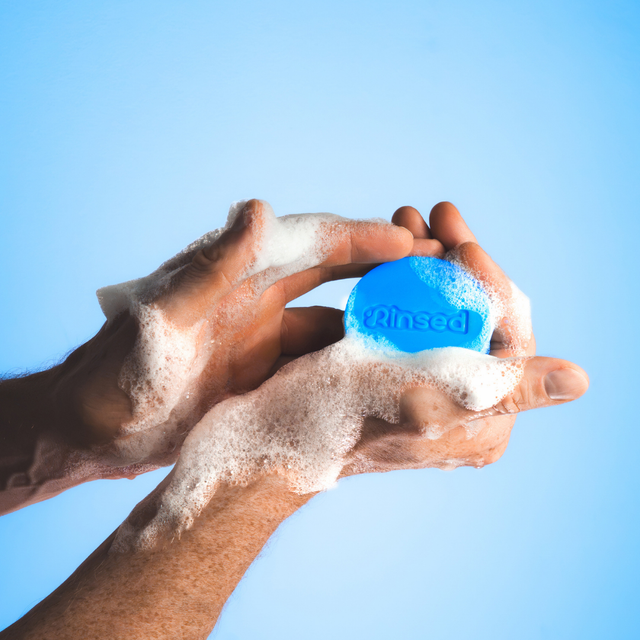
Levada mornings and reef sessions both end the same way: muddy boots, a salty wetsuit and one small bathroom. One bar for hair, body and face is a lot easier to share than two rows of bottles.

Shampoo, body and face wash, all in one bar. Cooling, refreshing and designed for those always on the go.
From the Atlantic islands, we head north to a coast you can reach without flying.
7. Cornwall: the coast path and St Ives
Cornwall works because the South West Coast Path runs right past the surf beaches, and St Ives adds galleries to the mix.
For the surfer. Porthmeor, right in St Ives, is a fairly exposed beach break that surf forecasters say can work at any time of the year, with December its best month. They also warn about dangerous rips. Our guide to the best surf spots in Cornwall covers the rest of the county's breaks.
For the non-surfer. The South West Coast Path is a 630-mile (1,014 km) National Trail that follows the entire Cornish coastline and is open all year. In St Ives, Tate St Ives overlooks Porthmeor beach and shows modern and contemporary art, including work by Barbara Hepworth, Naum Gabo and Patrick Heron. The Barbara Hepworth Museum and Sculpture Garden, her former home and studio, is a separate visit. The gallery says some collection rooms will close at times from November 2026 for updates due to finish in early 2027, so check before you go.
Best for both. Any season. Winter has the best surf; the shoulder months are kinder for long days on the path.
8. Lanzarote or Fuerteventura: volcanoes, art and dunes
The eastern Canary Islands give you winter surf and a volcanic landscape that keeps a non-surfer busy for a week.
For the surfer. Famara, on Lanzarote's north coast, is an exposed, consistent beach break with good surf at all stages of the tide. Surf forecasters rate December its best month, though they find it blown out about 63% of the time then, so expect to work around the wind. See our guides to the best surf spots in Lanzarote and the best surf spots in Fuerteventura.
For the non-surfer. Lanzarote's seven Art, Culture and Tourism Centres are a ready-made itinerary: the craters and lava fields of the Montañas del Fuego in Timanfaya, Jameos del Agua (the first centre César Manrique created, inside a lava tube), Cueva de los Verdes, the Jardín de Cactus in a former quarry, the Mirador del Río viewpoint. On Fuerteventura, the Corralejo Natural Park protects a dune field of about 2,669 hectares, with the Islote de Lobos, another natural park, a short boat trip away. Spain's tourism board asks visitors to stick to the marked trails in the dunes.
Best for both. Winter, when the surf is best and northern Europe is at its greyest.
9. Bali: the coast for the surfer, Ubud for the non-surfer
Bali is the long-haul option, with world-famous waves on the coast and a cultural centre inland.
For the surfer. Our Bali surf guide covers the breaks, the levels and the seasons.
For the non-surfer. Indonesia's tourism board describes Ubud, in the centre of the island, as "steeped in culture", with temples, art galleries and museums, a market for Balinese handicrafts, the Tegalalang rice terraces and a Monkey Forest home to about 700 long-tailed macaques (keep your belongings secured). UNESCO has listed the Cultural Landscape of Bali Province since 2012: rice terraces and water temples linked by the subak irrigation system, which dates back to the 9th century. The catch: Ubud is inland, so plan to split your nights or spend time on the road.
Best for both. We couldn't confirm a season from an official source, so check our Bali guide before you book.
Prefer something shorter haul? Taghazout in Morocco is another good fit: a surf village close to the city of Agadir.
How do you split the day around the tide?
Let the tide and wind decide when the surfer goes out, then build the shared part of the day around it.
Several breaks on this list have a strong preference: Côte des Basques and Matosinhos work best around low tide, while Famara works at all stages of the tide. Check the tide times and the forecast the night before (our guide on how to read a surf forecast helps), agree on a meeting point, and plan the non-surfer's morning or afternoon around that window. A two-hour session at low tide leaves the rest of the day for the old town, the trail or the museum.
A few habits help:
- Agree on a time to meet, not just "after the surf". Good waves make surfers lose track of time.
- Give the non-surfer the bigger plans on flat days. A day without waves is a day for Sintra, the levadas or Timanfaya together.
Where should you stay?
Pick a base within walking distance of both the surf and the non-surf highlights, so nobody depends on the car.
In San Sebastián, Biarritz, Porto and St Ives, that means the town itself: the surf beach, the old streets and the cafés are all on foot. On the Algarve's west coast, Madeira and the Canaries, you'll probably need wheels, so stay close to the beach the surfer will use most and plan the non-surfer's longer outings as day trips. If you work on the road, our guide to surf towns in Europe for remote workers looks at bases that suit a longer stay. Travelling with children too? Read our family surf holidays in Europe guide.
Should you try a beginner lesson together?
Yes, at least once: a lesson is the easiest way for the non-surfer to see what the fuss is about, with no pressure to keep going.
Several places on this list have friendly beginner options, such as Porto da Cruz on Madeira, which the tourism board recommends for beginners, or small days at Matosinhos. Book a group lesson and treat it as a shared morning, not a test. If it clicks, our guide to the best places to learn to surf in Europe is the next step, and what to expect from your first surf camp explains how a week of lessons works.
Shared bathroom, light packing
Two people, one small bathroom and a wetsuit drying somewhere: the fewer bottles you bring, the easier it gets.
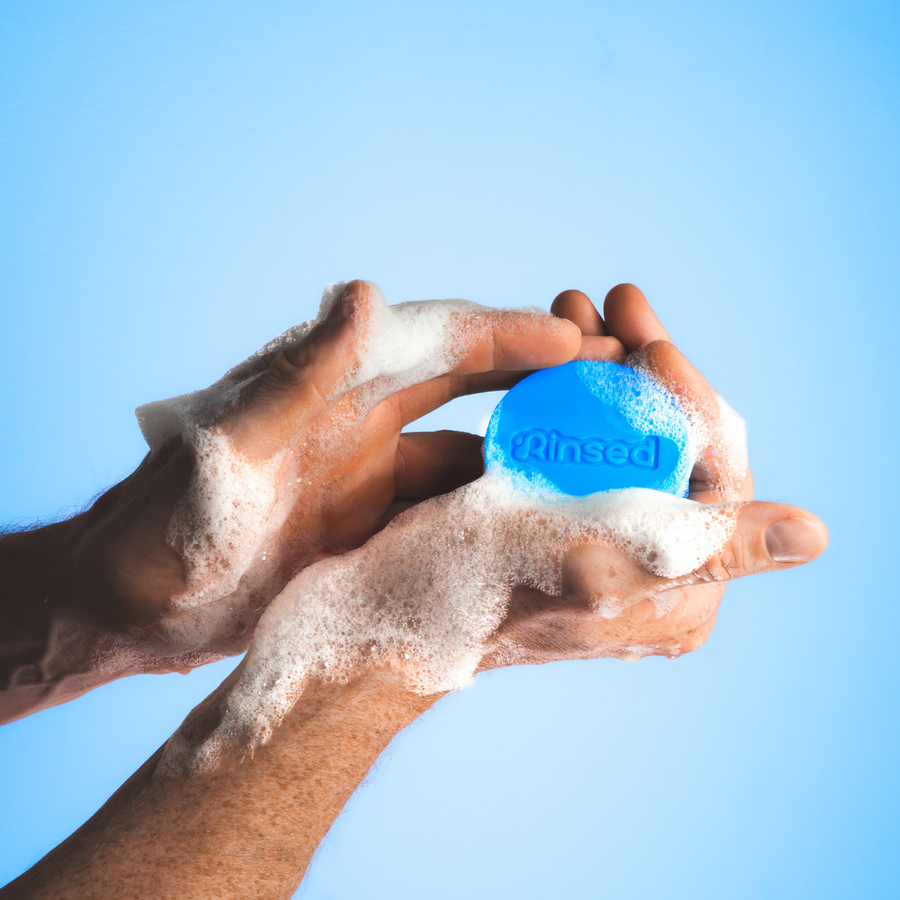
Holiday flats and guesthouse rooms in surf towns are rarely generous with shelf space. Two shampoos, two shower gels and a face wash soon fight for the same corner. One solid bar for hair, body and face covers both of you. Nothing to leak, and it isn't a liquid at airport security, which matters on the long-haul trip to Bali or a hand-luggage flight to the islands.

Shampoo, body and face wash, all in one bar. Keep your hair and skin healthy on the go. Monoï-infused scent with a touch of vanilla. Designed for those always on the go.
For the full list, from wetsuit to walking boots, see our surf trip packing list.
Showers and washing up after the beach
Beach showers are for sand and salt, not for shampoo.
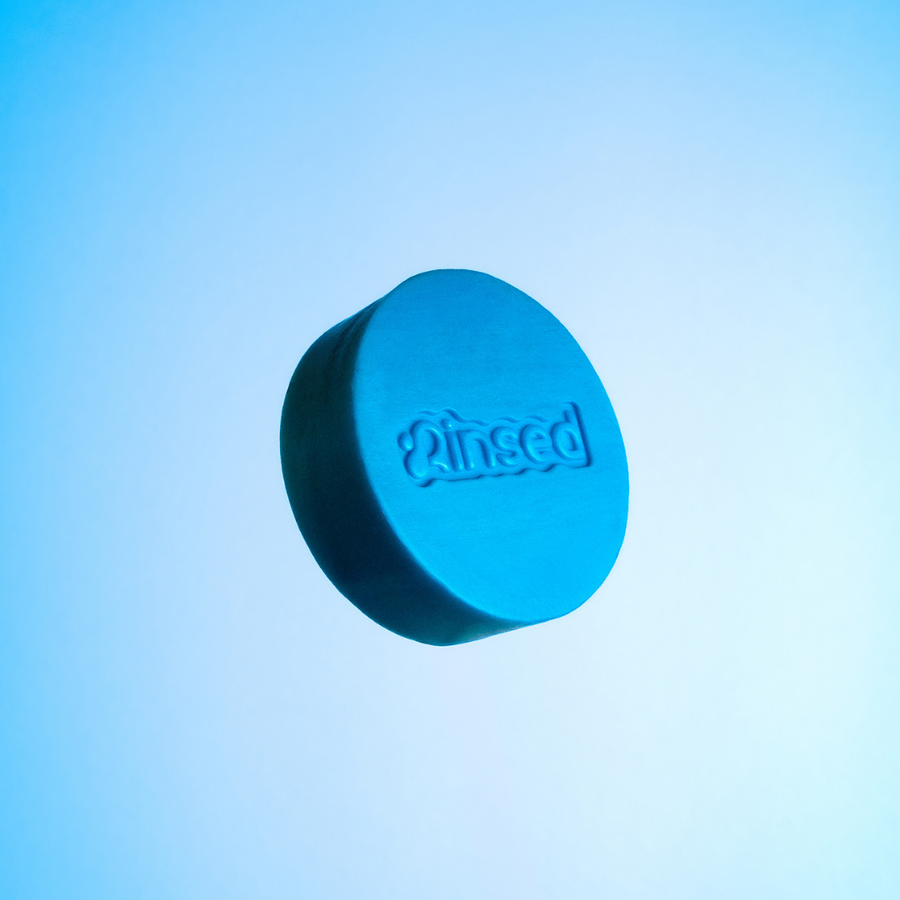
Don't rinse shampoo or soap directly into the ocean or into beach showers that drain to the sea. Lather only where the water goes into a drain. Rinse the salt off at the beach, then wash properly back at your base. One bar for both of you means one less thing to forget, and it's fine in a damp bag on the way home from the beach.
Shampoo, body and face wash, all in one bar. Cooling, refreshing and designed for those always on the go.
Then it's dinner in the old town, and the surfer can tell you all about the wave you missed.
Respect for locals and the places you visit
The places that suit couples best are often busy, so a little care goes a long way, in the water and out of it.
On busy city breaks like Zurriola and Matosinhos, etiquette matters most. On land: on the Fishermen's Trail, follow the markings, stay back from the eroding cliff edges and don't camp wild; in the Corralejo dunes, stay on the marked trails; on Madeira, book the classified walks and respect closures; in Ubud's Monkey Forest, keep your belongings secured and leave the macaques alone.
Summary
Choose a place where the surf sits next to something the non-surfer loves. San Sebastián and Biarritz for food and old towns, Ericeira for Sintra, Porto for a city break, the Algarve and Madeira for walkers, Cornwall for the coast path and galleries, Lanzarote for volcanoes and art, and Bali for Ubud. Plan the surf around the tide, stay within walking distance of both, try one lesson together and keep the bathroom simple.
Frequently asked questions
What is the best surf destination for a surfer and a non-surfer?
San Sebastián is the easiest all-rounder: Zurriola beach is in the city, and the old town with its pintxo bars and Mount Urgull is a short walk away. Biarritz and Porto work the same way.
Where should we go if the non-surfer loves hiking?
Madeira for the levada walks through the UNESCO-listed Laurisilva forest, the Algarve and Alentejo coast for the Fishermen's Trail, or Cornwall for the South West Coast Path, which is open all year.
Which destination suits a non-surfer who loves art and culture?
Lanzarote, with its seven Art, Culture and Tourism Centres, St Ives with its galleries, Sintra's UNESCO-listed palaces near Ericeira, or Ubud in Bali with its temples, galleries and museums.
When is the best time for a surf trip with a non-surfer?
Autumn suits the Basque Coast (October is the best month at Zurriola and Côte des Basques), and winter suits Porto, Madeira, Cornwall and Lanzarote. For the Fishermen's Trail, go between September and June, when the stages are open.
Do we need to book walks on Madeira?
Yes. The tourism board says booking is mandatory for all classified trails, with timed entry slots, and you should check whether a route is open, restricted or closed before you go.
How do we plan our days around the surf?
Check the tide and forecast the night before, let the surfer take the best window (Côte des Basques and Matosinhos work best around low tide), and plan a meeting point and time. Keep the big day trips for flat days.
Should the non-surfer take a surf lesson?
It's worth one try with a qualified instructor in a group lesson. If it clicks, a beginner-friendly destination or a surf camp is the next step.
How do we keep packing light for two?
Share the basics. One solid bar for hair, body and face replaces several bottles, isn't a liquid at airport security and leaves more space in a small bathroom or a carry-on.
Sources
The facts in this article are based on the sources below, checked in October 2026.
- District by district: Centre and Old Town. San Sebastián Turismoa, 2026.
- Zurriola hondartza surf guide. Surf-Forecast, 2026.
- What to do in Biarritz. Tourisme 64, 2026.
- Biarritz, Côte des Basques surf guide. Surf-Forecast, 2026.
- Cultural Landscape of Sintra. UNESCO World Heritage Centre, 2026.
- Ericeira is a World Surfing Reserve. Surfertoday, 2011.
- Historic Centre of Oporto, Luiz I Bridge and Monastery of Serra do Pilar. UNESCO World Heritage Centre, 2026.
- Matosinhos surf guide. Surf-Forecast, 2026.
- Fishermen's Trail. Rota Vicentina, 2026.
- Surf in Madeira. Visit Madeira, 2026.
- Jardim do Mar surf guide. Surf-Forecast, 2026.
- Hiking. Visit Madeira, 2026.
- Advice to walkers. Visit Madeira, 2026.
- Laurisilva of Madeira. UNESCO World Heritage Centre, 2026.
- South West Coast Path National Trail. GOV.UK, 2026.
- Tate St Ives. Tate, 2026.
- Porthmeor surf guide. Surf-Forecast, 2026.
- Centres for Art, Culture and Tourism. CACT Lanzarote, 2026.
- Playa de Famara surf guide. Surf-Forecast, 2026.
- Parque Natural de Corralejo. Spain.info, 2026.
- Ubud. Indonesia Travel, 2026.
- Cultural Landscape of Bali Province: the Subak System as a Manifestation of the Tri Hita Karana Philosophy. UNESCO World Heritage Centre, 2026.