

Note to travelling surfers
- Ecosystem first. Be kind to the environment you’re visiting: don’t leave any trash behind.
- Be kind to locals. Every lineup has an order and it was earned over years. Wait your turn, and respect local etiquette.
- Fly less, stay longer. The flight is the biggest impact of any surf trip. Two weeks once beats one week twice!
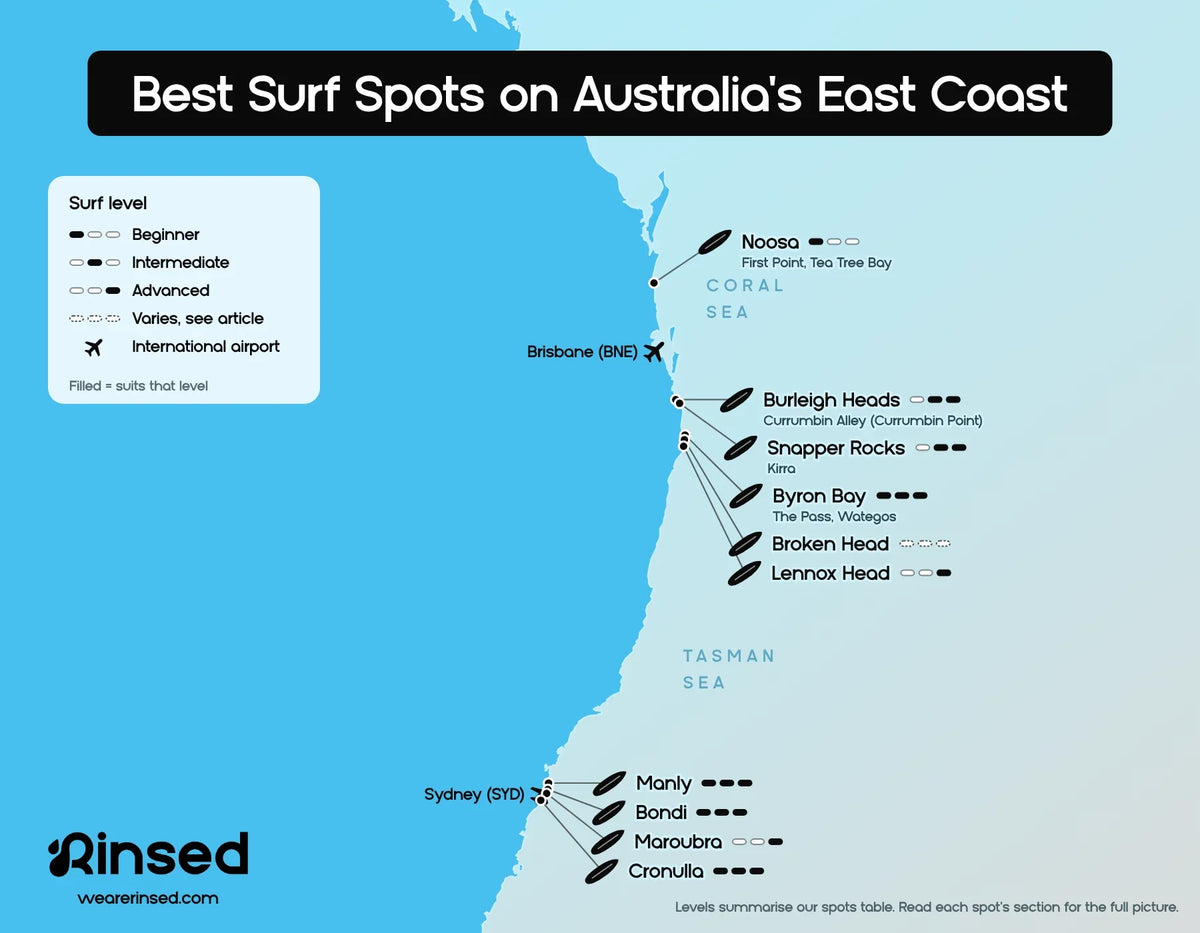
The best surf spots on Australia's east coast sit in four areas: First Point and Tea Tree Bay in Noosa; Snapper Rocks, Kirra, Burleigh Heads and Currumbin Alley on the Gold Coast; The Pass, Wategos, Broken Head and Lennox Head around Byron Bay; and Bondi, Manly, Maroubra and Cronulla in Sydney.
Water on the Gold Coast stays around 20°C or warmer all year, so you can surf most of it without a full wetsuit, while Sydney needs one in winter.
This guide covers the east coast only, from Noosa down to Sydney. Western Australia, Victoria and South Australia are a different trip and a different article. It is part of our wider guide to the best surfing destinations in Oceania, and it is written for surfers of every level, with clear notes on which breaks are for learners and which ones are not.
What are the best surf spots on Australia's east coast?
This table covers fourteen breaks we could verify from tourism boards and surf forecasters, listed north to south. "Works best on" comes from the surf forecasters' break pages. The level comes from the tourism boards and surf guides where they give one; where they don't, we say so. "Best months" is the forecasters' most consistent month. Remember that the seasons are flipped: June to August is winter here.

| Spot | Area | Type | Level | Works best on | Best months |
|---|---|---|---|---|---|
| First Point | Noosa Heads | Right-hand point break | Beginners (and longboarders) | ENE swell, S wind | Cyclone season, most consistent in April |
| Tea Tree Bay | Noosa National Park | Right-hand point break | Not stated (rocks, urchins, crowds) | ENE swell, SE wind, mid tide | Autumn, most often March |
| Snapper Rocks | Coolangatta, Gold Coast | Sand-bottom right-hand point | Intermediate to advanced | E swell, SE wind, all tides | Autumn and winter, most consistent in February |
| Kirra | Coolangatta, Gold Coast | Point and groyne break, barrels on big swells | Experienced | Large SE swell, S wind, any tide | Winter, on big swells only |
| Burleigh Heads | Burleigh, Gold Coast | Right-hand point break over rocks | Not stated (rocks, locals) | SSE swell, SW wind, all tides | Winter, most often June |
| Currumbin Alley (Currumbin Point) | Currumbin, Gold Coast | Sand-bottom right-hand point | Intermediate to advanced | E or SE swell, SSW wind, all tides | Autumn, most consistent in April |
| The Pass | Byron Bay | Right-hand point break | Intermediate to advanced (beginners on gentle days) | ENE swell, SE wind, all tides | Late summer and autumn, most often February |
| Wategos | Byron Bay | Mellow right-hand point break | Beginners (and longboarders) | NE swell, S wind | Autumn, most often March |
| Broken Head | South of Byron Bay | Exposed point break | Not stated by the sources | ENE swell, SW wind | Most consistent in April |
| Lennox Head | Lennox Head, south of Byron | Right-hand point break | Experienced | SSE swell, SW wind, rising mid tide | Winter, most often June |
| Bondi | Eastern suburbs, Sydney | Beach break, lefts and rights | All levels | S swell, NNW wind, rising mid tide | All year, most often July |
| Manly | Northern beaches, Sydney | Beach break, lefts and rights | All levels | SE swell, SW wind | Winter, most often June |
| Maroubra | Eastern suburbs, Sydney | Beach and reef break | Experienced | NE swell, NW wind, all tides | Autumn and winter, most often July |
| Cronulla | Sutherland Shire, Sydney | Beach break, plus reefs and a point | All levels | SE swell, NW wind, all tides | All year, most often July |
Point breaks are fussy about swell direction and wind, so it pays to learn how to read a surf forecast before you choose which headland to drive to.
Surfing in Noosa: First Point and Tea Tree Bay
Noosa is the gentlest stop on this coast, with a chain of right-hand points around the national park headland and First Point as the friendliest of them. The local tourism board calls Noosa a World Surfing Reserve and says the 5 km stretch from the river mouth around the headland to north Sunshine Beach holds five point breaks and three consistent beach breaks.
First Point sits at the end of Main Beach. SurferToday's Noosa guide describes it as a mellow, waist-high right that suits longboards and beginners, and it is the stage for the Noosa Festival of Surfing, which the tourism board calls the largest longboard event in the world. Surf forecasters list it as a point break that works best on an east-north-east swell with a south wind, and they warn about sharks, rocks and jellyfish.
Tea Tree Bay is a short walk into the national park. SurferToday describes it as steep, fast and glassy when it fires, and always crowded. Forecasters rate it consistent, best around mid tide with a south-east wind, and list rocks, urchins, sharks and jellyfish among the hazards. No source we checked gives it a level, so we haven't either, but a crowded rocky point is not where you learn.
The catch with Noosa is that the points face north and need the right swell. SurferToday explains that they depend on cyclone swells from the Coral Sea between December and May, especially February and March, while winter brings steadier south-east groundswells. On big days the guide talks about hundreds of surfers spread across the peaks, so pick your session and your mood carefully.
Surfing on the Gold Coast: Snapper Rocks, Kirra, Burleigh and Currumbin
The southern Gold Coast is a run of sand-bottom right-hand points between Snapper Rocks and Burleigh Heads, and when they work you share them with a crowd battling for position. The stretch from Burleigh to Snapper Rocks is a World Surfing Reserve, and SurferToday lists Snapper, Rainbow Bay, Greenmount, Kirra, the Superbank and Currumbin Alley inside it.
Snapper Rocks is the famous one. Experience Gold Coast calls it a proving ground for local talent, from waist-high to double overhead, and it asks you to match the surf to your ability and show other surfers respect in the lineup. Forecasters rate it very consistent, best on an east swell with a south-east wind at any tide, and they warn about rips, rocks and locals. The level in our table is our reading of that description, since no source gives a single label.
Just around the corner, Greenmount has two faces: on small days the same guide describes easy longboard waves that suit learners, and on big days long hollow walls that can run all the way to Kirra. That long sand-fed run is what people call the Superbank.
Kirra is a different animal. Experience Gold Coast says large south and south-east swells bring some of the best tube riding in the world, with jet skis working the lineup, and that extreme caution and experience are needed on those days. Forecasters list it as a sheltered point and groyne break that needs a big swell and a south wind, with sharks, rips and rocks as hazards.
Burleigh Heads is the northern end of the reserve and, as the local guide puts it, a wave for regular footers. It recommends a rising mid tide because of the rocks, and watching a local to find the jump-off point. Forecasters rate it consistent, best on a south-south-east swell with a south-west wind, and often crowded. Neither source gives it a level, so we list the hazards instead.
Currumbin Alley is a sand-bottom right that the local guide says works on a south-east swell of a metre or more, and at low tide you can take off beside the rock into some advanced sections. It is very popular at weekends. Surf forecasters file it as Currumbin Point and say it works at all tides, so look before you paddle.
Surfing around Byron Bay: The Pass, Wategos, Broken Head and Lennox Head
Byron Bay has the softest options on this coast at Wategos and the high-tide end of Clarkes, the crowded right at The Pass, and serious waves further south at Lennox Head. Byron is just over the border in New South Wales, which the state tourism board puts at less than two hours' drive from Brisbane.
The Pass is the headline. Visit NSW describes long, peeling waves for intermediate to advanced surfers, while its own Byron beaches page says the gentler days suit people new to their board and that it can get very crowded in summer. Forecasters list it as a consistent point that works at any tide on an east-north-east swell, and they add buoys to the usual rips, rocks and locals.
Wategos, around the headland, is the learner's point. Visit NSW describes long, mellow right-hand point breaks that suit longboarders and beginners, on a beach with sheltered waters. Forecasters rate it very consistent, best on a north-east swell with a south wind. The beach is patrolled over summer and in peak school holidays.
Broken Head is a few kilometres south. Forecasters describe an exposed point break with fairly consistent surf, best on an east-north-east swell and a south-west wind, often crowded, with sharks, rips and rocks. We found no level for it from a tourism board, and its forecast page contradicts itself on the best season.
Lennox Head is the one for experienced surfers only. Visit NSW calls it a world-class right-hand break that draws skilled surfers, and its surf guide says Lennox Head is not ideal for beginners and commands respect. Forecasters list a reliable point, best on a south-south-east swell with a south-west wind around a rising mid tide, with rocks, rips and sharks.
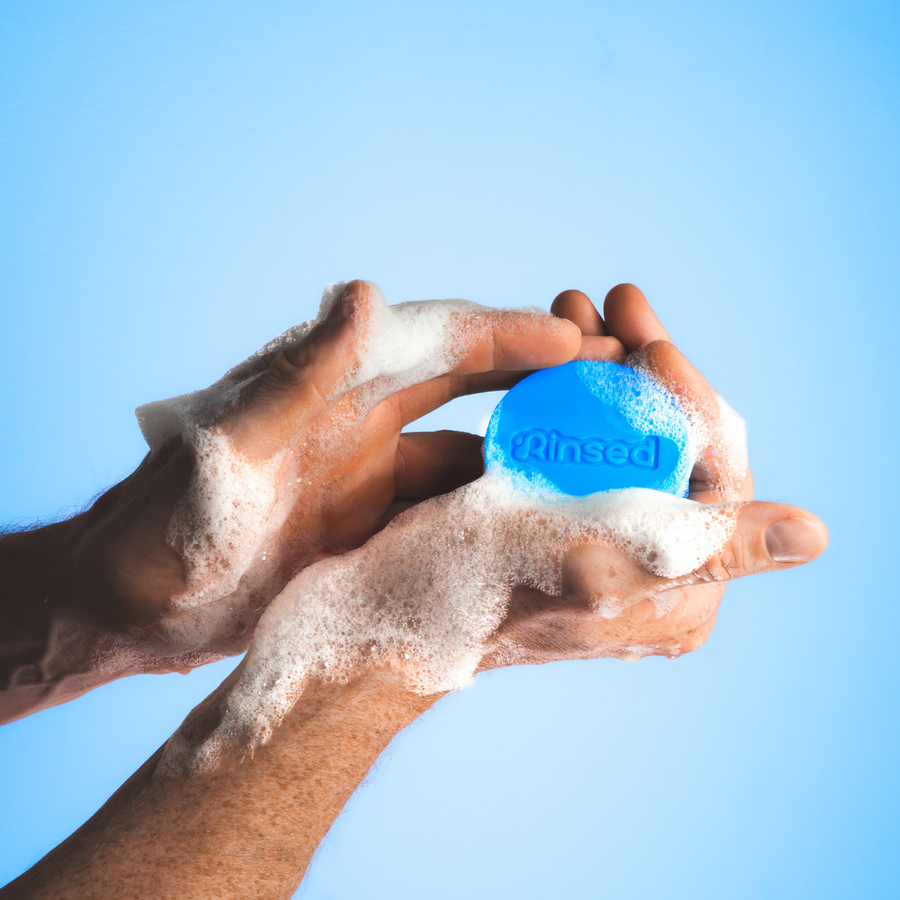
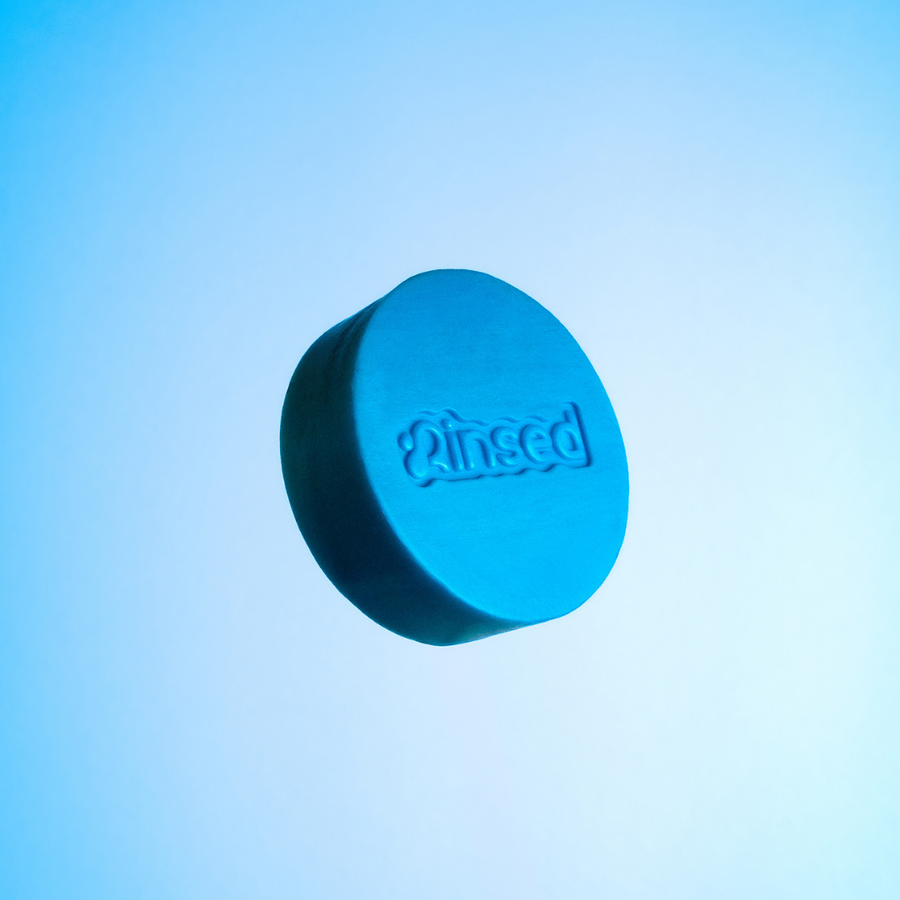
A Noosa to Byron trip is a road trip, and road trips mean a damp wash bag rolling around the boot between motels and campsites. One solid bar that does hair, body and face takes up almost no room and can't leak into your clothes.

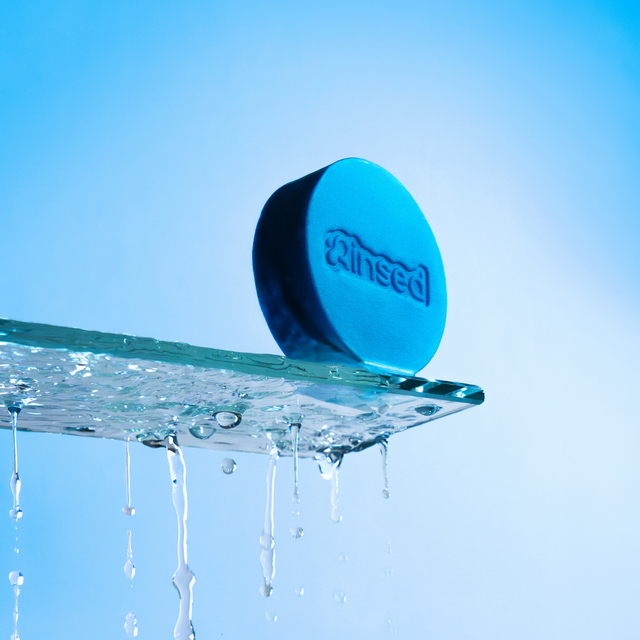
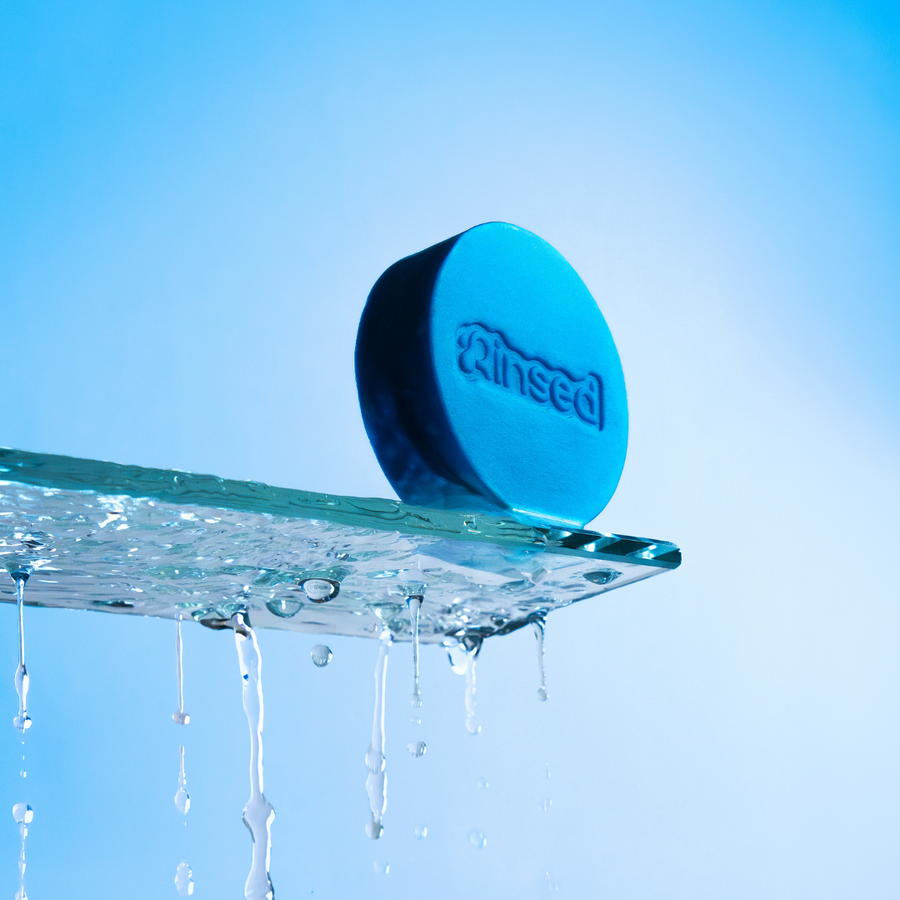
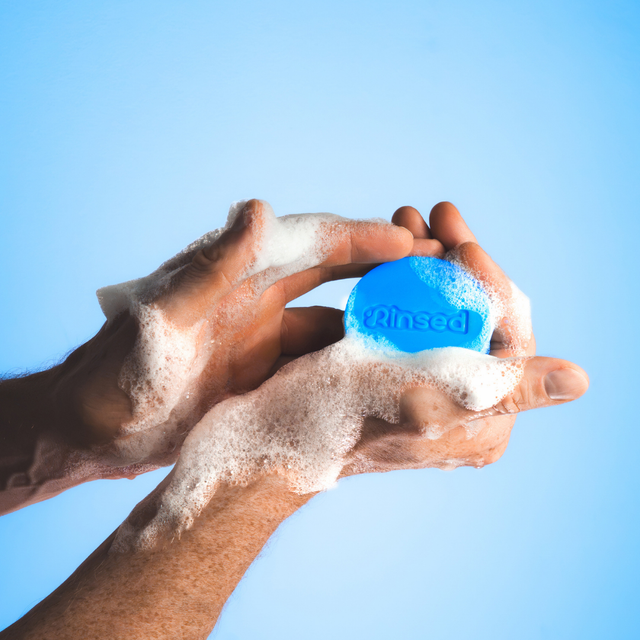
Shampoo, body and face wash, all in one bar. Cooling, refreshing and designed for those always on the go.
From Byron, Sydney is a long way south: the tourism board puts it at just over eight hours' drive, so most people fly that leg.
Surfing in Sydney: Bondi, Manly, Maroubra and Cronulla
Sydney lets you surf a proper beach break before breakfast and be in the city by lunch, with Bondi and Manly for mixed levels, Maroubra for strong surfers and Cronulla for a bit of everything. Unlike the Queensland points, the forecasters list winter as the most consistent season for all four.
Bondi is the obvious first session. Visit NSW describes small, soft waves at the north end and large, powerful lefts and rights at the south end for experienced surfers, and Sydney's tourism board says it has something for everyone. Forecasters list an exposed beach break, best on a south swell with a north-north-west wind around a rising mid tide, with rips, rocks, crowds and sharks to watch for.
Manly, on the northern beaches, is beginner-friendly at the south end with punchier peaks further north, Sydney's tourism board says. Visit NSW describes everything from consistent beach breaks to heavy reef breaks and says it suits all levels. Forecasters rate it fairly consistent, best on a south-east swell with a south-west wind.
Maroubra is where the city's strong surfers go. Both tourism boards describe strong, hollow waves for serious surfers, and Visit NSW names The Point, the Dunny Bowl and South End as its breaks. Forecasters list an exposed beach and reef break, consistent at all tides, and warn about rips, rocks, crowds and pollution.
Cronulla, in the south of the city, has a long stretch of breaks. Sydney's tourism board says it suits every skill level, and Visit NSW says Cronulla Beach suits beginners, while the reefs and points around it, Voodoo, Cronulla Point and Shark Island, are heavy waves for very experienced surfers. Forecasters call it quite consistent and say it can work at any time of year.
When is the best time to surf Australia's east coast?
There is surf all year, but the forecasters' clean-wave statistics point to late summer and autumn for Noosa and Byron (roughly February to April) and winter for Sydney, Burleigh and Lennox Head (roughly June to August). In the north, the points rely on cyclone swells from the Coral Sea between December and May. In winter, south-east groundswells and offshore winds take over. Visit NSW says Byron hosts its Surf Festival in August.
The table below shows long-term average sea temperatures for the Gold Coast and Sydney. Wetsuit advice comes from the surf forecasters' water temperature pages for Snapper Rocks and Bondi, which only give advice for the warmest and coldest parts of the year.
| Months | Water, Gold Coast | Water, Sydney | Surf | Wetsuit |
|---|---|---|---|---|
| December to February | 24.7 to 26.4°C | 22.2 to 23.7°C | Cyclone swells for the northern points, summer crowds | Gold Coast: rash vest and boardshorts. Sydney: 2 mm top or shorty for dawn, dusk or windy sessions |
| March to May | 23.7 to 26.2°C | 21.1 to 23.5°C | Best clean-wave months for Noosa and Byron | Not given by the forecasters for these months |
| June to August | 20.6 to 22.1°C | 18.8 to 19.7°C | South-east groundswells, best months for Sydney and Lennox | Gold Coast: 2 mm long-sleeve shorty, or a 3/2 if windy. Sydney: 4/3, or 3/2 with 3 mm boots |
| September to November | 21.0 to 23.2°C | 18.6 to 20.5°C | Spring northerly winds can shut the Noosa points down | Not given by the forecasters for these months |
Forecasters note that water near the shore can differ by several degrees from these averages, especially after heavy rain or near river mouths. For more on thickness, see our wetsuit thickness guide, and if warm water is the whole point of your trip, our guide to surfing without a wetsuit has more ideas.
Lifeguards, flags and rips: staying safe
Swim and learn between the red and yellow flags on a patrolled beach, and know what a rip looks like before you go in. Royal Life Saving Australia says rips are a common hazard on most Australian beaches, and that you can find the closest patrolled beach on the Beachsafe website or app. Not every beach has lifeguards, and some, like Tallow Beach near Byron, are unpatrolled.
Tourism Australia's water safety advice is short and clear. Always swim between the red and yellow flags on beaches with lifeguards and surf lifesavers, and read the signs at the beach entrance. Rips often look darker and calmer than the water around them. If you are caught in one, stay calm, float, raise one arm to signal for help, and never swim against it; swim sideways out of it, towards breaking waves if you can. If you see someone else in trouble, alert a lifeguard and call 000 rather than going in yourself.
The same page says shark attacks are rare, and advises avoiding the water at dusk, in river mouths and far offshore. Add proper sun protection to the list too: our piece on sunscreen rules for surf trips covers it.
Is Australia's east coast good for beginner surfers?
Yes, as long as you pick the right beach and the right day, and start with a lesson. The sources name a clear set of learner spots: First Point and Noosa Main Beach, Greenmount on small days, Wategos and Clarkes Beach in Byron (Visit NSW says Clarkes can be a good spot to learn when the tide is high), the north end of Bondi, the south end of Manly, Long Reef, and Cronulla Beach.
There are surf schools at almost every stop. The Noosa tourism board mentions schools near Main Beach, Visit NSW points first-timers in Byron to lessons, and Sydney's tourism board lists surf schools for Bondi, Maroubra, Manly and Cronulla. Snapper, Kirra, Burleigh, Lennox, Maroubra and the Cronulla reefs are not places to learn: the sources describe them as crowded, rocky or heavy. If it is your first surf trip, our guide on what to expect at your first surf camp helps.
Getting to Australia's east coast from Amsterdam, Brussels and Paris
Fly into Brisbane for Noosa, the Gold Coast and Byron, and into Sydney for the Sydney beaches. We couldn't confirm a nonstop route from Amsterdam, Brussels or Paris to any east coast airport, so plan for at least one connection and check routes when you book.
Noosa. The Noosa tourism board calls Brisbane Airport Queensland's domestic and international gateway and says Noosa is about an hour and a half's drive north of it. Sunshine Coast Airport, about 30 minutes from Noosa, has direct flights from several Australian cities and from Auckland.
Gold Coast. Gold Coast Airport sits at the southern end of the Gold Coast, with its entrance in Bilinga, close to Coolangatta, and about 90 km south of Brisbane. That puts it a short hop from Snapper Rocks and Kirra.
Byron Bay. Visit NSW says Ballina Byron Gateway Airport is about 30 minutes from town, with direct flights from Sydney and Melbourne, and that Byron is less than two hours' drive from Brisbane. By train and coach from Sydney the trip takes around 14 hours.
Staying longer. If you're young and want to stay for months rather than weeks, Australia's Department of Home Affairs runs a Working Holiday visa (subclass 417) for young adults who want an extended holiday and to work to fund it. Check its official page for who is eligible and the current conditions.
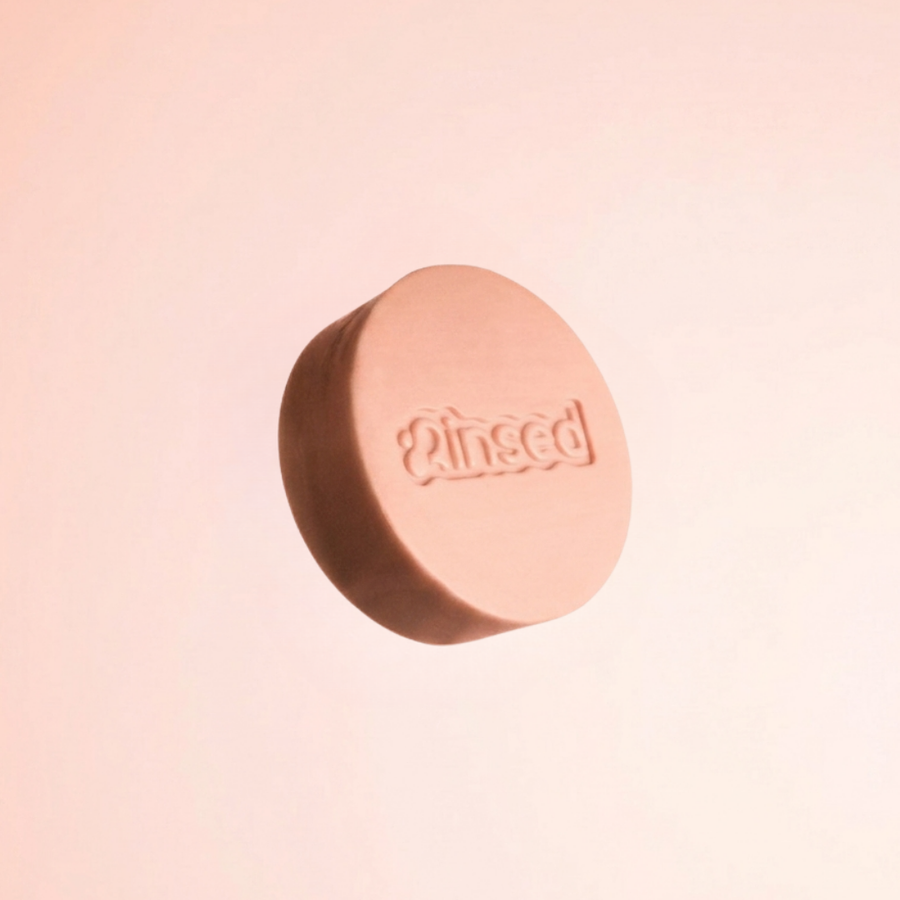
A long-haul trip with connections is easiest with only a carry-on for your wash kit. One solid bar for hair, body and face isn't a liquid at airport security, so it stays out of the plastic bag and won't leak somewhere over the Indian Ocean.

Shampoo, body and face wash, all in one bar. Keep your hair and skin healthy on the go. Monoï-infused scent with a touch of vanilla. Designed for those always on the go.
Our guides on whether you can take soap on a plane and on packing a carry-on surf wash kit have the detail. Once you land, the next question is where to base yourself.
Where to stay for surfing on the east coast
Stay within walking distance of the break you want to surf most, because parking at the famous points is hard in swell season.
Noosa: Noosa Heads, by Main Beach, puts First Point on your doorstep and the national park points a walk away. Gold Coast: Coolangatta and Rainbow Bay sit right next to Snapper, Greenmount and Kirra, and close to the airport. Byron Bay: the town itself is a walk from Main Beach, Clarkes and The Pass; Lennox Head is its own small village further south. Sydney: choose a side of the city, because Manly in the north and Cronulla in the south are a long way apart.
If you travel by campervan, camp only where it is allowed and use campsites with proper facilities, which also solves the shower question below.
Showers, wetsuits and washing up
Rinse the salt off at the beach, but save the soap for a shower with a drain. Don't rinse shampoo or soap directly into the ocean or into beach showers that drain to the sea. Lather only where the water goes into a drain: a campsite, a surf camp, a hostel or your accommodation.
Beach showers are there for rinsing salt and sand off, not for washing. Our guides on how to rinse off after a surf and on what saltwater does to surf hair help with the after-surf routine.
When you're moving from campsite to hostel to motel every few nights, the wash bag lives damp in the car. One bar that does hair, body and face is simpler than three half-empty bottles sliding around the boot.
Shampoo, body and face wash, all in one bar. Cooling, refreshing and designed for those always on the go.
With the washing sorted, the last thing is how you behave in the water and on land.
Surfing in Australia: locals and the environment
Respect the locals
Locals come up again and again on the break pages for Snapper, Burleigh, Currumbin, The Pass and Cronulla, and Bondi gets crowded whenever there is surf. These are crowded waves with established lineups. Noosa's World Surfing Reserve sums up its code in three words, Share, Respect, Preserve, and asks surfers to respect the lineup and each other's level. Experience Gold Coast says the same at Snapper: show other surfers respect in the lineup. Wait your turn, don't drop in, and if a wave is beyond you, watch it from the beach. Our surf etiquette guide covers the rules.
Respect the environment
Two of the stops in this guide, Noosa and the Gold Coast, are World Surfing Reserves, set up to protect the waves and the coast around them. Take your rubbish home or to a bin, stay on the marked paths through the national park to Tea Tree Bay, keep off the dunes, and keep soap and shampoo out of the sea and out of beach showers.
Summary
Australia's east coast gives you four surf regions in one trip: the soft points of Noosa, the crowded sand-bottom points of the southern Gold Coast, the mix of mellow and serious waves around Byron Bay, and the city beaches of Sydney. Go in late summer and autumn for the northern points and in winter for Sydney, learn at First Point, Wategos, Clarkes, Bondi or Manly, and always surf near the flags when you're starting out. If you're comparing destinations in the region, see the best surfing destinations in Oceania, or head north to Indonesia for warmer reefs.
Frequently asked questions
Where is the best surfing on Australia's east coast?
The best-known breaks are the southern Gold Coast points (Snapper Rocks, Kirra, Burleigh Heads and Currumbin Alley), the Noosa points, The Pass and Lennox Head around Byron Bay, and the Sydney beaches, with Bondi, Manly, Maroubra and Cronulla the best known.
Where should beginners surf on the east coast?
The sources point to First Point in Noosa, Greenmount on small days, Wategos and Clarkes Beach in Byron, the north end of Bondi, the south end of Manly, Long Reef and Cronulla Beach. Take a lesson and stay between the flags.
Is Snapper Rocks good for beginners?
No. Experience Gold Coast calls it a proving ground for local talent that can be challenging, and forecasters warn about rips, rocks and locals. Greenmount next door is the better choice on small days.
Is The Pass in Byron Bay good for beginners?
Only on gentle days. Visit NSW describes it as a wave for intermediate to advanced surfers, though its Byron beaches page says the smaller days suit people new to their board. It gets very crowded in summer, so Wategos is the easier start.
When is the best time to surf on Australia's east coast?
The forecasters' statistics point to late summer and autumn, roughly February to April, for Noosa and Byron, and winter, roughly June to August, for Sydney, Burleigh and Lennox. There is surf all year.
Do I need a wetsuit to surf in Queensland?
Mostly not. Forecasters put the water at Snapper Rocks at about 19 to 22°C at its coldest, around mid August, and much warmer in summer. They say a rash vest and boardshorts are fine in summer and suggest a 2 mm long-sleeve shorty, or a 3/2 if it's windy, in winter.
How cold is the water in Sydney?
Long-term averages run from about 18.6°C in September to 23.7°C in February. Forecasters suggest a 4/3, or a 3/2 with boots, in the coldest weeks, and a 2 mm top or shorty in summer.
When does Noosa get the best waves?
The Noosa points face north and rely on cyclone swells from the Coral Sea between December and May, especially February and March. Forecasters list April as the most consistent month at First Point and March at Tea Tree Bay.
Which airport should I fly into for an east coast surf trip?
Brisbane for Noosa, the Gold Coast and Byron Bay, and Sydney for the Sydney beaches. Gold Coast Airport, Sunshine Coast Airport and Ballina Byron Gateway Airport are closer to the breaks, so check which routes connect to them. We couldn't confirm nonstop flights from Amsterdam, Brussels or Paris.
What does "swim between the flags" mean?
On patrolled Australian beaches, lifeguards and surf lifesavers put up red and yellow flags around the safest area they are watching. Tourism Australia and Royal Life Saving Australia both say to swim between them, and Beachsafe shows the nearest patrolled beach.
What should I do if I'm caught in a rip?
Stay calm, float, raise one arm to signal for help, and don't swim against it. Tourism Australia says to swim sideways out of the current, towards breaking waves if you can.
Can I work in Australia while on a surf trip?
Australia's Department of Home Affairs runs a Working Holiday visa (subclass 417) for young adults who want an extended holiday and to work to fund it. Check its official page for eligibility and conditions before you plan around it.
Sources
The facts in this article are based on the sources below, checked in October 2026.
- Surfing in Noosa. Visit Noosa, 2026.
- Getting here. Visit Noosa, 2026.
- Noosa surfing guide. SurferToday, 2026.
- Your guide to surfing the Gold Coast. Experience Gold Coast, 2024.
- The Gold Coast is the 8th World Surfing Reserve. SurferToday, 2026.
- Best surf spots in NSW. Visit NSW, 2026.
- Byron Bay region beaches. Visit NSW, 2026.
- Byron Bay. Visit NSW, 2026.
- Best surf beaches in Sydney. Sydney.com (Destination NSW), 2026.
- Water safety. Tourism Australia, 2026.
- Beach safety. Royal Life Saving Society Australia, 2026.
- Working Holiday visa (subclass 417). Australian Government, Department of Home Affairs, 2026.
- Gold Coast Airport. Wikipedia, 2026.
- Noosa First Point surf guide. Surf-Forecast, 2026.
- Noosa Tea Tree Bay surf guide. Surf-Forecast, 2026.
- Snapper Rocks surf guide. Surf-Forecast, 2026.
- Kirra surf guide. Surf-Forecast, 2026.
- Burleigh Heads surf guide. Surf-Forecast, 2026.
- Currumbin Point surf guide. Surf-Forecast, 2026.
- The Pass surf guide. Surf-Forecast, 2026.
- Wategos surf guide. Surf-Forecast, 2026.
- Broken Head surf guide. Surf-Forecast, 2026.
- Lennox Head surf guide. Surf-Forecast, 2026.
- Bondi Beach surf guide. Surf-Forecast, 2026.
- Manly surf guide. Surf-Forecast, 2026.
- Maroubra Beach surf guide. Surf-Forecast, 2026.
- Cronulla surf guide. Surf-Forecast, 2026.
- Snapper Rocks water temperature and wetsuit guide. Surf-Forecast, 2026.
- Bondi Beach water temperature and wetsuit guide. Surf-Forecast, 2026.
- Gold Coast ocean water temperature. Seatemperature.info, 2026.
- Sydney sea temperature. Seatemperature.org, 2026.