

Note to travelling surfers
- Ecosystem first. Be kind to the environment you’re visiting: don’t leave any trash behind.
- Be kind to locals. Every lineup has an order and it was earned over years. Wait your turn, and respect local etiquette.
- Fly less, stay longer. The flight is the biggest impact of any surf trip. Two weeks once beats one week twice!
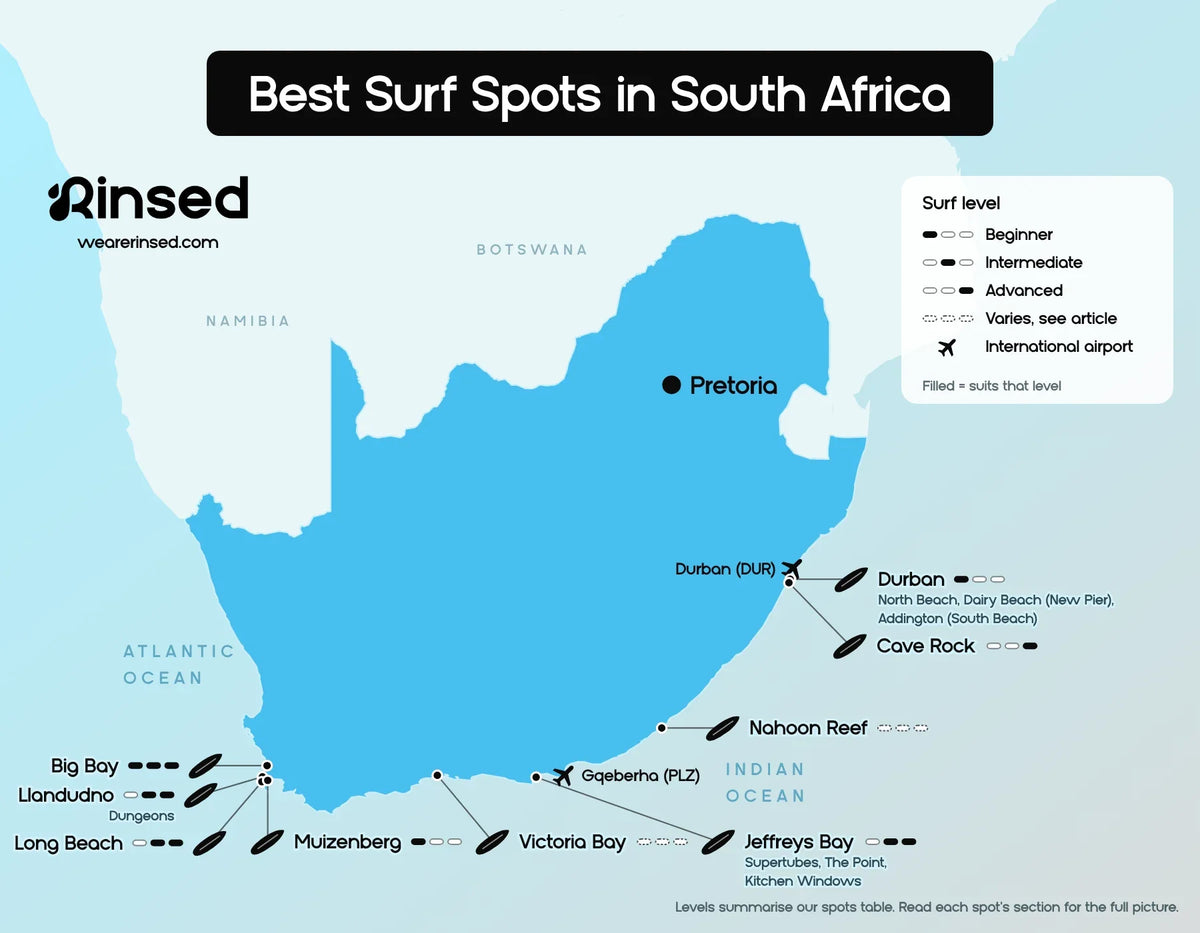
The best surf spots in South Africa sit in four regions: Supertubes, The Point and Kitchen Windows in Jeffreys Bay, with Victoria Bay on the Garden Route; Muizenberg, Long Beach in Kommetjie, Llandudno and Big Bay around Cape Town, with Dungeons as a big-wave spot to watch rather than surf; North Beach, Dairy Beach (New Pier), Addington and Cave Rock in Durban; and Nahoon Reef in East London on the Eastern Cape.
The national tourism board puts the big waves between June and September and the beach-holiday feel between November and March, so the season you pick decides the trip. Beginners have it easiest on Muizenberg and the small Durban beaches; experienced surfers come for the long winter rights of the Eastern Cape.
This guide is part of our wider guide to the best surfing destinations in Africa, next to our guides to the best surf spots in Senegal and surfing in Cape Verde. It is written for surfers of every level, with clear notes on where beginners belong and where they don't.
What are the best surf spots in South Africa?
This table covers fourteen breaks we could verify from tourism boards and surf forecasters, from Cape Town on the Atlantic to Durban on the Indian Ocean. "Works best on" comes from the surf forecasters' break pages. The level comes from the tourism boards where they give one; where they don't, we say so, and we explain the few cases where we leaned on another surf guide. "Best months" is the forecasters' most consistent month unless a tourism board gives a season.

| Spot | Area | Type | Level | Works best on | Best months |
|---|---|---|---|---|---|
| Supertubes | Jeffreys Bay | Reef and point break, long rights | Advanced | SW swell, WSW wind | June to August, most often June |
| The Point | Jeffreys Bay | Reef and point break, rights | Intermediate | SSW swell, SW wind | Winter, most often August |
| Kitchen Windows | Jeffreys Bay | Beach and reef | Intermediate | SE swell, WNW wind, mid tide | Autumn, most often March |
| Victoria Bay | Garden Route, near George | Reef and point break, rights | Not stated by the sources | S swell, NNW wind, any tide | Winter, most often June |
| Muizenberg | False Bay, Cape Town | Beach break, lefts and rights | Beginners | SE swell, NW wind | All year, small most days |
| Long Beach (Kommetjie) | Cape Peninsula, Atlantic side | Sandbar beach break, mostly lefts | Intermediate to advanced | Solid SW swell, S wind | All year, cleanest most often in January |
| Llandudno | Atlantic seaboard, Cape Town | Hollow beach break | Intermediate to advanced | SW swell, E to SE wind | Autumn, most often April |
| Big Bay | Bloubergstrand, Cape Town | Beach break, lefts and rights | All levels | SW swell, SE wind, all tides | Summer, most often March |
| Dungeons | Hout Bay, Cape Town | Big-wave reef, rights, tow-in | Expert (tow-in, watch from a boat) | SW swell, NW wind, around low tide | Late July and August |
| North Beach | Durban | Beach and pier break, rights | Not stated by the sources | SE swell, W wind | Winter, most often June |
| Dairy Beach (New Pier) | Durban | Beach and pier break, lefts and rights | Not stated by the sources | E swell, SW wind, around low tide | Summer, most often March |
| Addington (South Beach) | Durban | Sheltered beach break, lefts and rights | Beginners | ESE swell, SW wind, low rising tide | Autumn, most often March |
| Cave Rock | The Bluff, Durban | Reef, rights | Experienced | SW swell, NW wind | Winter, most often June |
| Nahoon Reef | East London | Reef, rights | Not stated by the sources | SW swell, W to WNW wind, low rising tide | Winter, most often June |
South Africa's coast faces two oceans and the wind swings hard between them, so it pays to learn how to read a surf forecast before you pick a beach for the day.
Surfing in Jeffreys Bay: Supertubes and its neighbours
Jeffreys Bay is the wave most surfers dream of in South Africa: a long, fast right-hand point that runs down the west side of the bay, at its best between June and August. The national tourism board calls Supertubes internationally famous for its consistency and length of ride. Several breaks share the same stretch of reef, so pick the one that fits your level.
Supertubes, or "Supers", is the famous one. The tourism board describes a 4 to 8 ft wave on good days, running along the reef with a classic barrelling section before it closes out at Impossibles. Forecasters rate it very consistent, with clean waves about 52% of the time in June, warn about sharks, rocks and crowds, and say summer tends to be mostly flat. No official source gives it a level; we wrote "Advanced" because an independent surf guide says you need to really be on your game to score it at its best.
The Point is the original wave ridden by longboarders in the 1960s, the tourism board says, with heavy take-offs and a slow wall for carving, and a good place to get used to J-Bay on your first visit. We put it down as intermediate: a reviewer on the forecasters' page says so, and the independent guide calls it the go-to for longboarders and less confident surfers.
Kitchen Windows, or "Kitchens", is the board's pick if you are more on the mellow side: a fun mid-tide wave away from the busier spots. The independent guide calls it the intermediate spot of choice, and forecasters list sharks, rocks and mussel shells as hazards.
The board also names Boneyards, Tubes, Albatross and Magnatubes, but says too little about who should surf them for our table. It suggests bringing two boards: one for small days and one for big ones.
West of J-Bay on the Garden Route, Victoria Bay near George has what the tourism board calls a highly rated point break, and forecasters describe it as a right-hander. Forecasters rate it very consistent and unaffected by the tide, with rocks and crowds to watch for. No source gives it a level.
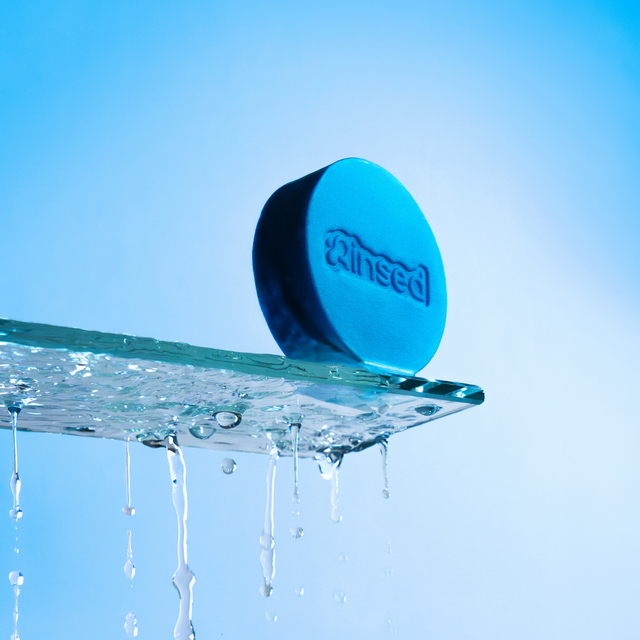
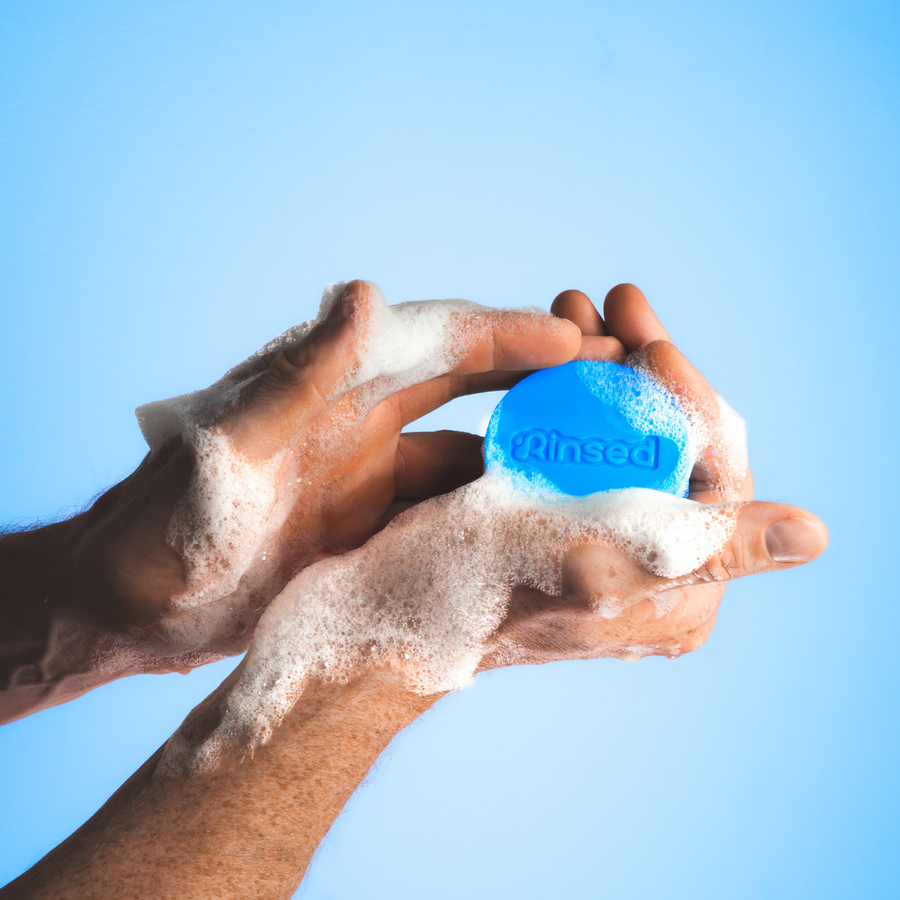
A Garden Route road trip means a wetsuit drying in the boot and a wash bag that never quite dries out. One solid bar for hair, body and face takes up almost no space in it and can't leak over the rest of your kit.

Shampoo, body and face wash, all in one bar. Cooling, refreshing and designed for those always on the go.
Keep driving west and you reach Cape Town, where the beach you surf depends on the wind.
Surfing in Cape Town and the Cape Peninsula
Cape Town gives you a surfable beach in almost any wind: False Bay and Muizenberg when it blows from the north-west, the Atlantic side when the south-easter is up. That is the tourism board's own rule of thumb.
Muizenberg is where Cape Town learns to surf. The tourism board says it suits beginners, with rentals and surf schools, and Cape Town Tourism describes gentle, rolling waves rideable almost all year, bigger in winter. Reviewers on the forecasters' page praise the gentle whitewater near the shore but warn that winter swell can be forceful and that Surfer's Corner gets busy with drop-ins. Shark Spotters has its info centre right at Surfer's Corner.
Long Beach in Kommetjie, on the Atlantic side, is rated intermediate to advanced by Cape Town Tourism, which calls it one of the most consistent breaks on the peninsula when a solid swell comes in. There are no rentals on the beach. Forecasters say it gets crowded when the surf is up.
Llandudno, a beach framed by granite boulders, has a crystal clear, hollow wave for intermediate to advanced surfers, Cape Town Tourism says, with limited parking and no rentals. Forecasters add that from about 3 ft it gets heavy over very shallow water, and that it is often crowded.
Big Bay at Bloubergstrand, north of the city, is the all-rounder: Cape Town Tourism says it suits all skill levels, with short, fun waves and a surf school for lessons and rentals. Forecasters warn about rips and rocks, and on windy days the forecasters suggest it suits kitesurfers better than surfers.
Dungeons is the wave you watch. The national tourism board says it breaks on Sentinel Reef off Hout Bay, is certainly not for the average surfer, and is surfed by tow-in behind jet skis, usually in late July and August. It isn't visible from the beach, so you watch from a charter boat, or hike The Sentinel with an accredited local guide, as the board warns about muggings on peninsula trails.
Surfing in Durban and KwaZulu-Natal
Durban is South Africa's warm-water surf city, with a row of consistent beach and pier breaks along the Golden Mile and the reef at Cave Rock for experienced surfers. The tourism board says winter, June to August, brings groundswell, glassy conditions and longer rides, while in summer onshore north-easterlies make it choppy unless you get there at first light.
North Beach and Dairy Beach (New Pier) are two of the consistent beach breaks the board names. Forecasters list both as beach and pier breaks that get busy when the surf is up, with sharks and jellyfish among the hazards.
Addington, at South Beach, is where Durban's beginners go. The tourism board recommends it for beginners, with sheltered, fairly small and consistent waves.
Cave Rock on the Bluff is a different animal. The tourism board says its reef bottom produces the biggest and best waves in Durban, and it is for experienced surfers only. Forecasters warn about rips and rocks. On a longer trip, the board also points north to Ballito and Umhlanga and south to Scottburgh's right point.
East London and the Eastern Cape: Nahoon Reef
Nahoon Reef in East London is a right-hand reef that forecasters rate as dependable and rarely crowded, at its best in June. The tourism board describes East London as a place of cooler, green waters and classic barrelling waves. Forecasters count clean waves about 49% of the time in June and list sharks, urchins, rips and rocks as hazards. No source gives it a level.
When is the best time to surf in South Africa?
For waves, go in the southern winter, June to September; for warm, easy beach days, go in the southern summer, November to March. That is the tourism board's own split, and for us in the Netherlands, Belgium and France it works neatly: the swell season falls in our summer holidays, the beach season in our winter.
In our summer (June to August) you get the classic trip: the board calls it big-wave season in Jeffreys Bay, sometimes stretching from April to September, and advises booking ahead for July. Our guide to the best surfing destinations in July puts it next to the alternatives.
In our winter (December to March) the water is warmest but the swell smaller, and forecasters say Supertubes tends to be mostly flat. This is the time for Muizenberg, Big Bay and the small Durban beaches. If you are escaping a grey European winter, our guide on where to surf in winter has more ideas.
Sea temperatures vary a lot along the coast. Most figures below are the forecasters' long-term peaks and lows for each break; the Cape Town row is a city-wide monthly average, and we added the tourism board's wetsuit advice for J-Bay.
| Area | Water at its warmest | Water at its coldest | Wetsuit in summer | Wetsuit in winter |
|---|---|---|---|---|
| Muizenberg (False Bay) | 19 to 21°C, late January | 14 to 16°C, mid July | 2 mm long-sleeve shorty, or 3/2 if windy | 4/3, or 3/2 with 3 mm boots |
| Cape Town (city average) | 18.9°C, January | 15.2°C, August | Not given by the source | Not given by the source |
| Jeffreys Bay (Supertubes) | 22 to 25°C, early February (forecaster model, nearshore water is often colder) | 18 to 20°C, early August | 2 mm top or shorty at dawn, dusk or in wind | 3/2 fully sealed; the tourism board says a 3 mm keeps out the chill, with 4 mm suits sold locally |
| Durban (North Beach) | 25 to 27°C, early February | 20 to 22°C, early August | Rash vest and boardshorts | 2 mm long-sleeve shorty, or 3/2 if windy |
Water near the shore can differ by several degrees from these averages, and the Atlantic side of the peninsula is colder than False Bay: Llandudno is known for extremely cold water. The tourism board says winter in the Western and Eastern Cape requires serious wetsuits, hoodies and booties. Our wetsuit thickness guide helps you choose.
Sharks, rips and beach safety
Sharks are part of surfing in South Africa, and the official advice is practical: surf where shark spotters and lifeguards are on duty, during their hours, and check the flags before you paddle out. Most forecasters' break pages in our table list sharks among the hazards, next to rocks and rips.
Shark Spotters works at strategic beaches around Cape Town, mainly in False Bay, and at five beaches in Plettenberg Bay. The tourism board explains the flags: green, the water is clear and no sharks seen; black, too murky to spot; red, a shark was seen earlier that day; white with a black shark, a shark is in the water. When the siren sounds, leave the water until the all-clear. Shark Spotters says it is an advisory service and can never guarantee safety 100%. Its advice for surfers: talk to the spotters before going in, avoid murky water, twilight and darkness, and stay out where bait fish are running, seals are present or seabirds are diving.
In KwaZulu-Natal, Durban has had shark nets since 1952. The KwaZulu-Natal Sharks Board says nets and drumlines reduce shark numbers but don't form a complete barrier, that almost all nets south of Durban come out during the winter Sardine Run, and that bathing and surfing can be banned when gear is damaged. Beaches outside KwaZulu-Natal have no nets.
Rips and emergencies. The NSRI, the volunteer sea rescue service, says a rip will not pull you under: stay calm, swim at 90 degrees to the pull, and raise an arm if lifeguards are on duty. It lists 112 as the national emergency number and 087 094 9774 for its operations centre. Save both before your first session.
Is South Africa good for beginner surfers?
Yes, at the right beaches: Muizenberg in Cape Town and Addington in Durban are the beginner beaches the tourism board names, and Big Bay suits all levels. All three have lessons or rentals nearby, according to the tourism boards. The rest of our table is for confident surfers, and Dungeons is for a handful of big-wave specialists. If you are booking your first surf course abroad, our guide on what to expect from your first surf camp is a good place to start.
Getting to South Africa from Amsterdam, Brussels and Paris
Fly into Cape Town for the Cape Peninsula, into Gqeberha (Port Elizabeth) for Jeffreys Bay, into Durban for KwaZulu-Natal, and into East London for Nahoon.
Flights. KLM lists Cape Town, Johannesburg, Port Elizabeth and Durban among its flights from Amsterdam, though its page doesn't say which are non-stop, and Cape Town airport's route list includes KLM to Amsterdam and a seasonal Air France service to Paris. We found no direct Brussels route, so from Belgium you connect via Amsterdam, Paris or another hub. Durban's airport has international links via Dubai, Doha and Istanbul. Routes change, so check before you book.
To Jeffreys Bay. The tourism board says to fly to Port Elizabeth (now Chief Dawid Stuurman International, Gqeberha), about 70 km away, and drive: less than an hour. For Nahoon, King Phalo Airport is about 9 km from East London's centre.
Entry. South Africa's foreign affairs department lists Dutch, Belgian and French passport holders as not needing a visa for stays of 90 days or less. Rules can change, so check before you book.
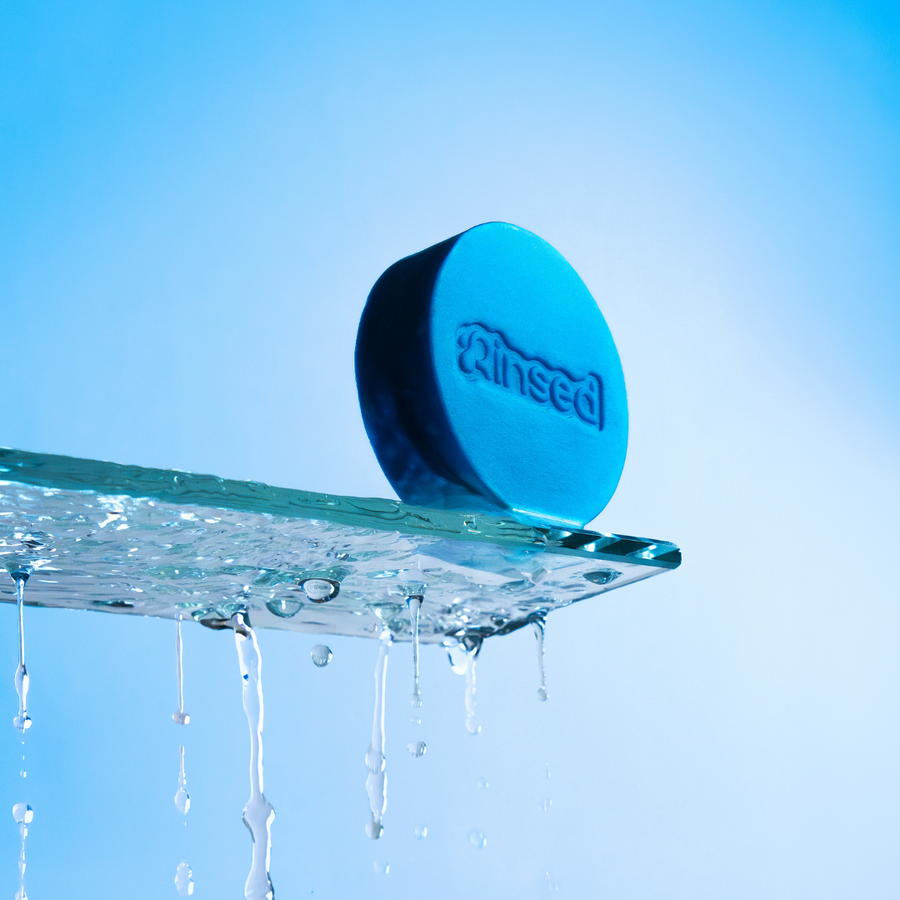
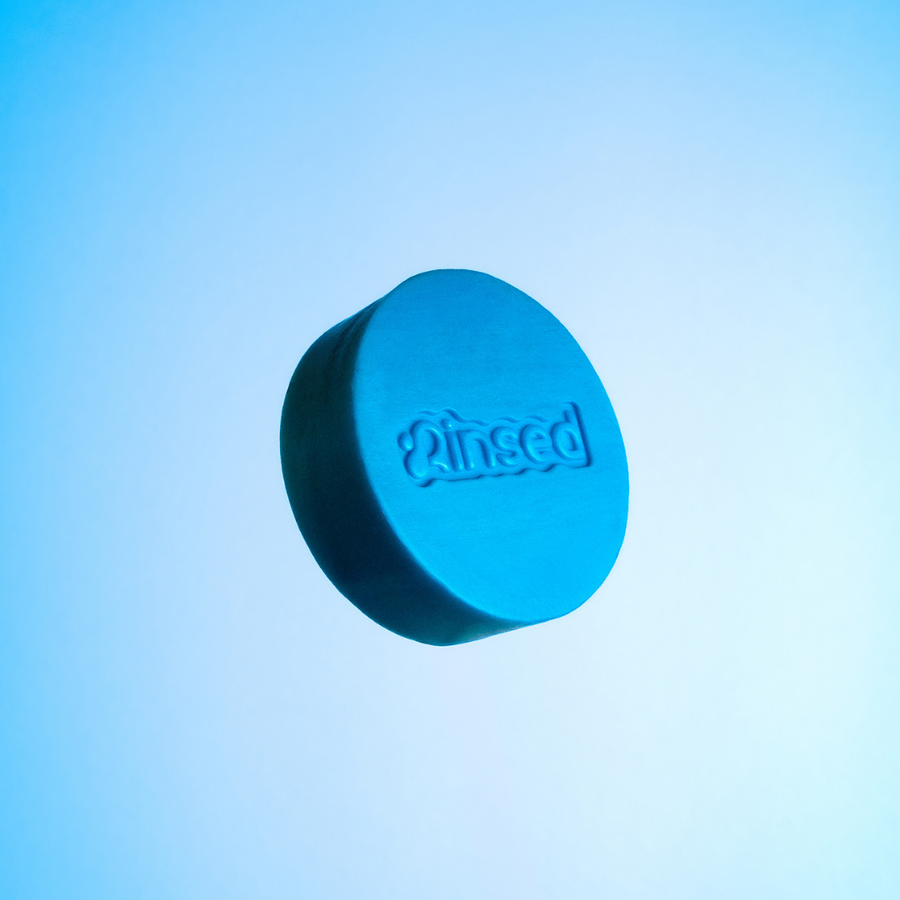
A long-haul flight with a domestic hop is easiest with hand luggage. One solid bar for hair, body and face isn't a liquid at airport security, so it stays out of the plastic bag and leaves room for wax and a leash.

Shampoo, body and face wash, all in one bar. Keep your hair and skin healthy on the go. Monoï-infused scent with a touch of vanilla. Designed for those always on the go.
Our guide on whether you can take soap on a plane has the detail. Once you land, the next question is where to base yourself.
Where to stay for surfing in South Africa
Base yourself close to the breaks you want: Jeffreys Bay town for the points, Muizenberg or the Atlantic side for Cape Town, and the Golden Mile for Durban.
In Jeffreys Bay, the tourism board describes everything from backpacker lodges to guest houses and a caravan park; book early for July. In Cape Town, Muizenberg's surf schools make it the obvious base for learners, while a car lets you follow the wind between False Bay and the Atlantic side. In Durban, the Golden Mile's beaches sit along one promenade, with lifeguards on duty for much of the day.
Showers, wetsuits and washing up
Plan your washing around proper showers and drains, not the beach. Don't rinse shampoo or soap directly into the ocean or into beach showers that drain to the sea. Lather only where the water goes into a drain: a campsite, a surf camp or your accommodation.
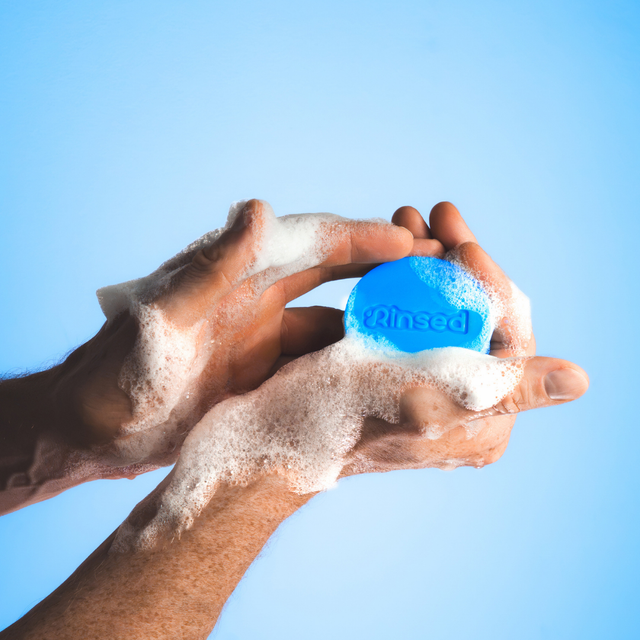
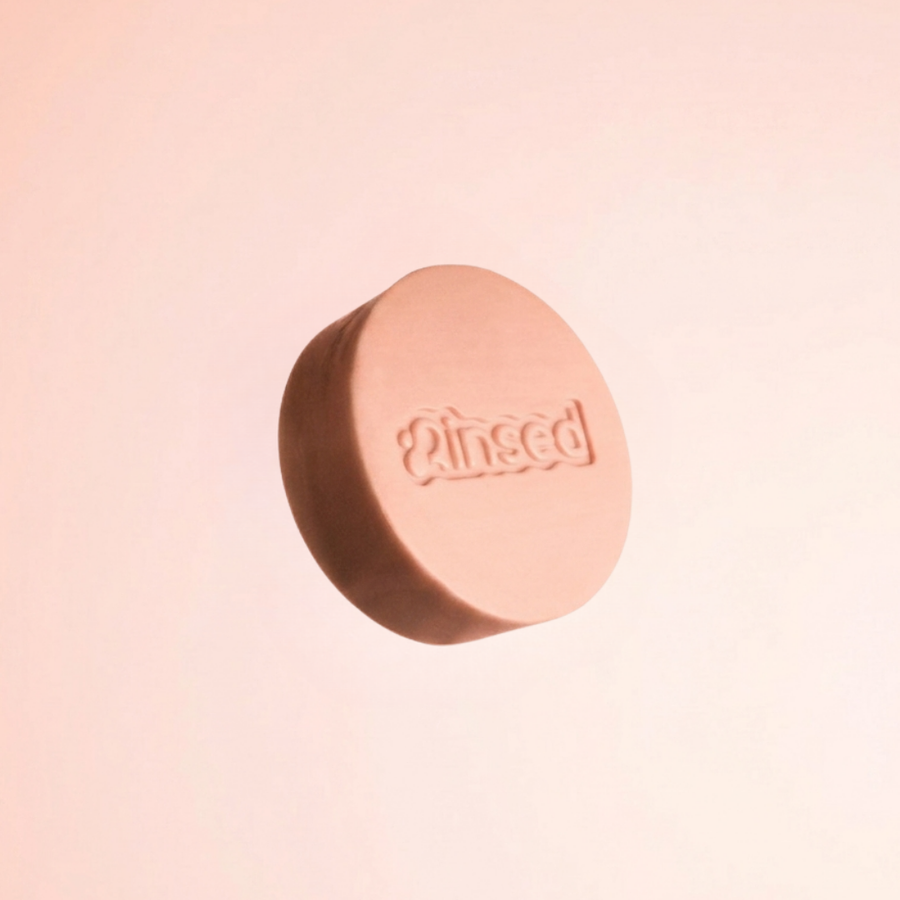
Our sources don't say which surf beaches have showers, so don't count on one. Our guides on how to rinse off after a surf and packing a carry-on surf wash kit cover the rest. For your own shower, one bar in a damp wash bag is simpler than three bottles rolling around a caravan park shower block.
Shampoo, body and face wash, all in one bar. Cooling, refreshing and designed for those always on the go.
With the washing sorted, the last thing is how you behave in the water and on land.
Surfing in South Africa: locals and the environment
Respect the locals
The best waves here are crowded when they work: forecasters warn about crowds at Supertubes, Long Beach, Llandudno and Big Bay, and the tourism board says Boneyards is favoured by locals. Wait your turn, don't drop in, and if a spot is beyond you, pick another. Our surf etiquette guide covers the basics.
Respect the environment
Most of the sea around the Cape Peninsula, from Mouille Point round Cape Point to Muizenberg, is part of the Table Mountain National Park Marine Protected Area. It has no-take zones, and jet skis are banned except for tow-in surfing at big-wave breaks. Give seals and seabirds space, take your rubbish with you, and keep soap and shampoo out of the sea.
Summary
South Africa has four surf regions worth the long flight: Jeffreys Bay and the Garden Route for long winter rights, Cape Town for a beach in every wind, Durban for warm water and consistent beach breaks, and East London for Nahoon Reef. Experienced surfers should go between June and September; beginners do best between November and March at Muizenberg, Big Bay or Addington. Surf where spotters and lifeguards are on duty, check the flags, and pack a wetsuit for the Cape even in summer. Compare it with Senegal, Cape Verde and the rest of Africa.
Frequently asked questions
Where is the best surfing in South Africa?
Jeffreys Bay, with Supertubes as its headline wave, is the most famous. Cape Town, Durban and East London's Nahoon Reef complete the picture, with Victoria Bay on the Garden Route between them.
Is Jeffreys Bay good for beginners?
Supertubes is not. The tourism board calls The Point a good place to get used to J-Bay on your first visit, and Kitchen Windows is the mellower option, but both suit surfers who can already ride green waves.
Where can beginners surf in Cape Town?
Muizenberg is the classic beginner beach, with surf schools, rentals and Shark Spotters at Surfer's Corner. Cape Town Tourism also says Big Bay suits all skill levels.
Can you surf Dungeons?
Only if you are a big-wave specialist. The tourism board says it is surfed by tow-in with jet skis and is not visible from the beach, so most visitors watch from a charter boat.
When is the best time to surf in South Africa?
June to September for the big swell, which the tourism board calls the best time for big waves, and November to March for warm, easier beach days.
Can I surf South Africa in the European winter?
Yes, but expect smaller waves. December to March is the southern summer, good for learning at Muizenberg, Big Bay or Durban's beaches, while forecasters say Supertubes tends to be mostly flat in summer.
How cold is the water in South Africa?
It depends on the coast. Forecasters give about 14 to 21°C at Muizenberg through the year, and 20 to 27°C at Durban's North Beach. The Atlantic side of the Cape Peninsula runs colder than False Bay.
What wetsuit do I need to surf in South Africa?
The forecasters suggest a 4/3, or a 3/2 with boots, in Cape Town in winter; in Durban in summer, boardshorts and a rash vest. For Jeffreys Bay in winter, the tourism board says a 3 mm keeps out the chill, and 4 mm suits are sold locally.
Are there sharks where you surf in South Africa?
Most of the forecasters' break pages list sharks as a hazard. Surf at beaches with shark spotters and lifeguards, during their hours, and follow the flags. Durban's beaches have shark nets; beaches outside KwaZulu-Natal don't.
How do I get to Jeffreys Bay from the Netherlands?
KLM lists Port Elizabeth (Gqeberha) among its South African destinations from Amsterdam. The tourism board says the airport is about 70 km from J-Bay, less than an hour by car. Check routes before you book.
Do I need a visa for South Africa?
South Africa's foreign affairs department lists Dutch, Belgian and French passport holders as visa-exempt for stays of 90 days or less. Rules can change, so check before you book.
What is the emergency number at South African beaches?
The NSRI lists 112 as the national emergency number and 087 094 9774 for its emergency operations centre. In Cape Town, Shark Spotters lists 107 from a landline and 021 480 7700 from a mobile.
Sources
The facts in this article are based on the sources below, checked in October 2026.
- Surfing in South Africa: hot weather, cool waves. South African Tourism, 2026.
- Surfing two oceans in the Western Cape. South African Tourism, 2026.
- Some of the world's best surfing: Jeffreys Bay. South African Tourism, 2026.
- Jeffreys Bay, Eastern Cape. South African Tourism, 2026.
- Surfing in KwaZulu-Natal: north and south from Surf City. South African Tourism, 2026.
- Dip your toes in the Golden Mile of Durban's beaches. South African Tourism, 2026.
- Hout Bay Dungeons adventure: braving the big waves. South African Tourism, 2026.
- Beach safety in South Africa. South African Tourism, 2026.
- The best surf spots in Cape Town. Cape Town Tourism, 2026.
- Pocket-friendly Muizenberg. Cape Town Tourism, 2026.
- Shark Spotters. Shark Spotters, 2026.
- Spotting. Shark Spotters, 2026.
- Flag system. Shark Spotters, 2026.
- Shark safety advice. Shark Spotters, 2026.
- Nets and drumlines. KwaZulu-Natal Sharks Board, 2026.
- National Sea Rescue Institute. NSRI, 2026.
- All about rip currents. NSRI, 2026.
- Table Mountain National Park Marine Protected Area. Wikipedia, 2026.
- Passport holders exempt from South African visas. Department of International Relations and Cooperation, 2026.
- Flights from Amsterdam to South Africa. KLM, 2026.
- Cape Town International Airport. Wikipedia, 2026.
- King Shaka International Airport. Wikipedia, 2026.
- Chief Dawid Stuurman International Airport. Wikipedia, 2026.
- King Phalo Airport. Wikipedia, 2026.
- Llandudno, Cape Town. Wikipedia, 2026.
- Jeffreys Bay surf. The Surf Atlas, 2026.
- Super Tubes surf guide. Surf-Forecast, 2026.
- Point (Jeffreys Bay) surf guide. Surf-Forecast, 2026.
- Kitchen Windows surf guide. Surf-Forecast, 2026.
- Victoria Bay surf guide. Surf-Forecast, 2026.
- Muizenberg surf guide. Surf-Forecast, 2026.
- Long Beach (Cape Town) surf guide. Surf-Forecast, 2026.
- Llandudno (Cape Town) surf guide. Surf-Forecast, 2026.
- Big Bay surf guide. Surf-Forecast, 2026.
- Dungeons surf guide. Surf-Forecast, 2026.
- North Beach (Durban) surf guide. Surf-Forecast, 2026.
- Dairy Beach (New Pier) surf guide. Surf-Forecast, 2026.
- Addington (South Beach) surf guide. Surf-Forecast, 2026.
- Cave Rock surf guide. Surf-Forecast, 2026.
- Nahoon Reef surf guide. Surf-Forecast, 2026.
- Muizenberg water temperature and wetsuit guide. Surf-Forecast, 2026.
- Super Tubes water temperature and wetsuit guide. Surf-Forecast, 2026.
- North Beach water temperature and wetsuit guide. Surf-Forecast, 2026.
- Cape Town sea temperature. Seatemperature.org, 2026.