


Note to travelling surfers
- Ecosystem first. Be kind to the environment you’re visiting: don’t leave any trash behind.
- Be kind to locals. Every lineup has an order and it was earned over years. Wait your turn, and respect local etiquette.
- Fly less, stay longer. The flight is the biggest impact of any surf trip. Two weeks once beats one week twice!
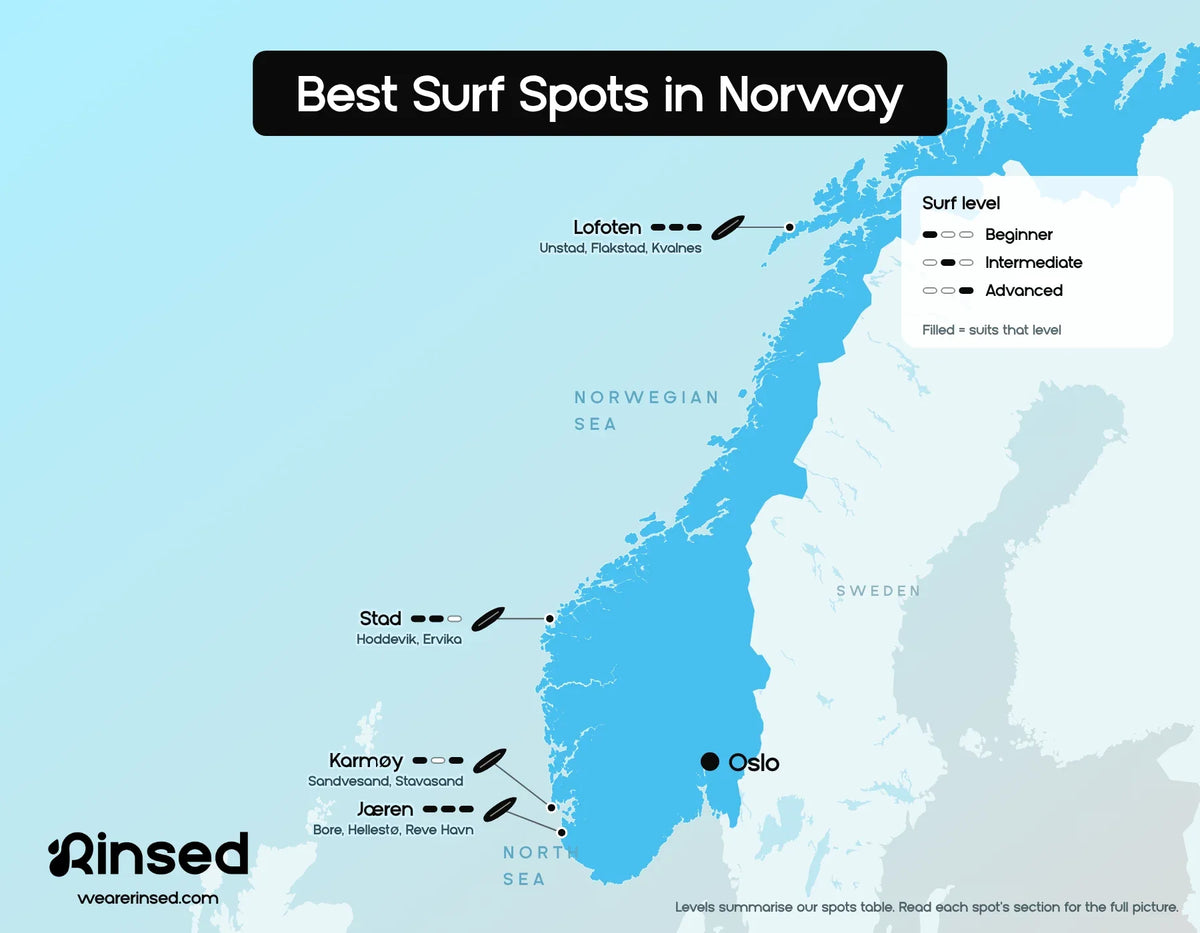
The best surf breaks in Norway sit in three regions: Bore, Hellestø and Reve Havn on the Jæren coast south of Stavanger, plus Sandvesand and Stavasand on Karmøy further north; Hoddevik and Ervika on the Stad peninsula in western Norway; and Unstad, Flakstad (Skagsanden) and Kvalnes in Lofoten, above the Arctic Circle.
The national tourism board says the season runs from February to November, with summer friendliest for beginners and late autumn and winter bringing bigger waves. Wetsuits, boots and gloves are a must in winter.
This guide sits next to our guides to surfing in Denmark and the best surf spots in Ireland, and it is part of our wider guide to the best surfing destinations in Europe. It is written for experienced and adventurous surfers, with notes for beginners where the sources give them.
What are the best surf spots in Norway?
This table covers ten breaks we could verify from tourism boards and surf forecasters. "Works best on" comes from the surf forecasters' break pages. The level comes from the tourism boards where they give one; where they don't, we say so. "Best months" is the forecasters' most consistent month unless a tourism board gives a season.

| Spot | Area | Type | Level | Works best on | Best months |
|---|---|---|---|---|---|
| Bore (Borestranden) | Jæren, south of Stavanger | Beach break, lefts | Beginners in summer, experienced in autumn and winter | W swell, E wind, all tides | Winter, most often December |
| Hellestø | Jæren, south of Stavanger | Exposed beach break, lefts and rights | Not stated by the sources | WNW swell, ESE wind | Winter, most consistent in March |
| Reve Havn | Jæren, south of Stavanger | Beach and reef, lefts and rights | Not stated (rocks, locals) | W swell, ESE wind, all tides | Winter, most often January |
| Sandvesand | Karmøy, north of Stavanger | Beach | More experienced surfers | Not listed by the forecasters | Summer and early autumn |
| Stavasand | Karmøy, north of Stavanger | Beach | Beginners | Not listed by the forecasters | Summer and early autumn |
| Hoddevik | Stad, western Norway | Beach break, mainly lefts | Beginner to intermediate | NW swell, SE wind, any tide | All year, most often January |
| Ervika (Ervikstranda) | Stad, western Norway | Exposed point, favours rights | Not stated by the sources | NW swell, SE wind, around low tide | All year |
| Unstad | Lofoten, Vestvågøy | Point, rights and lefts over stones | Beginners in summer, experienced in autumn | WNW swell, E wind | September to April |
| Flakstad (Skagsanden) | Lofoten, Flakstad | Sandy beach | Beginners and intermediates | Not listed by the forecasters | Summer for learning, September to April for swell |
| Kvalnes | Lofoten | Exposed beach break, lefts and rights | Not stated (dangerous rips) | N swell, SW wind | Spring, most often April |
In Norway the wind matters as much as the swell, so learn how to read a surf forecast before you go.
Surfing near Stavanger: Jæren and Karmøy
Jæren is Norway's most developed surf coast, with long sandy beaches for beginners and rocky points for advanced surfers, but it is windswept and needs the wind to turn. The national tourism board describes a range from gentle beaches for beginners to more demanding boulder points, and notes that the coast hosted Eurosurf in 2017 and 2018.
The regional tourism board says the coast runs for about 70 km, about 25 km of it sandy beach, with no skerries between land and open sea.
Bore (Borestranden) is the best-known beach. Fjord Norway calls it one of the best surf beaches in Norway, about 3 km long, with surfing possible all year: summer is usually less windy with smaller waves for beginners, while autumn and winter are often better for experienced surfers. Surf forecasters describe it as a reasonably exposed beach break with lefts, best on a west swell and an east wind, at any tide, and they warn about dangerous rips.
Hellestø is an exposed beach break with lefts and rights. Forecasters rate it fairly consistent, best on a west-north-west swell with an east-south-east wind, and say it is sometimes crowded.
Reve Havn is a beach and reef setup with lefts and rights, best on a west swell and east-south-east wind. Its break page says to watch out for rocks and locals.
A reality check from the numbers: forecasters' long-term data says Jæren is often too small or blown out. At Bore in December, its best month, they count clean surf only about 1% of the time and too small about 81%. You watch the charts and move when a window opens.
Karmøy, north of Stavanger towards Haugesund, has two beaches the local listing on Visit Norway separates by level: Sandvesand is recommended for more experienced surfers, and Stavasand is a good option for beginners.
Two more Jæren names come up often: Sola and Brusand. The regional tourism board lists them among the only beaches where kiting is allowed, but we couldn't confirm surf details for them from a tourism board or a surf forecaster's break page, so they aren't in our table. The same goes for Point Perfect.
Important rule: on Jæren, surfing, windsurfing and kiting are forbidden in the bird-protected areas from 1 October to 31 March. The tourism board doesn't list which beaches this covers on its page, so check the signs at the beach before you paddle out in winter.
Surfing on the Stad peninsula: Hoddevik and Ervika
Stad, at the outer tip of Nordfjord, catches swell from two directions and is the most consistent region in this guide, with Hoddevik as its beginner-friendly beach. The national tourism board says swell from both the south-west and north-west hits the sandy Ervikstranda, and that Hoddevik is about 20 to 30 minutes away, with clear water framed by mountains around 300 metres high.
Hoddevik is a white sand beach surrounded by steep mountainsides. Its tourism listing rates it beginner to intermediate, says you can surf there all year, and explains that the mountains shelter the beach from the worst of the wind. Surf forecasters call it a fairly exposed beach break, mainly lefts, very consistent, best on a north-west swell and a south-east wind, and not affected by the tide. In January they count clean waves about 30% of the time, high for Norway.
Ervika is listed by forecasters as an exposed point break that favours rights, best on a north-west groundswell with a south-east wind, around low tide. Their page has one specific warning: watch out for the wreck, especially its submerged parts. It is unlikely to be crowded, even when the surf is up.
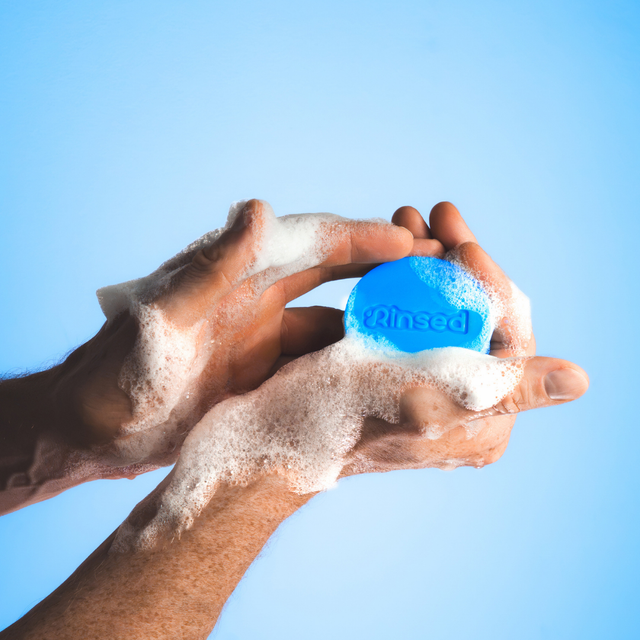
Stad means long drives and a damp wetsuit bag in the boot. A solid bar that does hair, body and face takes up almost no space and can't leak into the rest of your kit.

Shampoo, body and face wash, all in one bar. Cooling, refreshing and designed for those always on the go.
From Stad, Lofoten is a long way north, and a different world again.
Surfing in Lofoten: Unstad, Flakstad and Kvalnes
Lofoten is Norway's most famous surf region, with Unstad as its headline wave, Flakstad as the place to learn, and the strongest swell from September to April. The national tourism board calls it one of the best places in the world for cold-water surfing, while warning that storms are common and it isn't world-class every day.
Unstad is the best-known spot. The regional tourism board describes a beach with right and left point breaks over a stony bottom: gentle waves in summer, and in autumn some of the best waves in Northern Europe. Surf forecasters list it as a point break, best on a west-north-west swell with an east wind, very rarely crowded, and warn about rocks and rips. In September they count clean waves about 28% of the time.
Flakstad, just west of Unstad, is a sandy beach the tourism board describes as suited to beginners and intermediates, usually with smaller waves than Unstad. Its beach guide lists Skagsanden at Flakstad as a place to surf with equipment rental on site.
Kvalnes is an exposed beach break with lefts and rights, best on a north swell with a south-west wind. Forecasters say April is its most consistent month, that summer tends to be mostly flat, and that there are dangerous rip currents.
When is the best time to surf in Norway?
For experienced surfers, autumn and winter bring the swell; for beginners, summer brings smaller waves and the warmest water. Lofoten's tourism board puts the most powerful swells between September and April. The national tourism board gives the main season as February to November.
Daylight shapes a Lofoten trip more than anywhere else in Europe. The midnight sun lasts from about 28 May to 14 July in Lofoten, and the regional board says you can surf all night in summer. In winter, daylight is short in December and January, and the board advises driving in the middle of the day, since storms can delay flights and ferries and close exposed roads.
Average sea temperatures below are long-term data; wetsuit advice combines the surf forecasters' guidance with the Lofoten tourism board's.
| Months | Water, Stavanger | Water, Leknes (Lofoten) | Surf | Wetsuit |
|---|---|---|---|---|
| January to March | 4.6 to 6.0°C | 4.9 to 5.6°C | Big winter swell, short days in Lofoten | 5/4 at the very least with hood, gloves and boots; Lofoten board advises 6/5 with 7 mm gloves and boots |
| April and May | 6.4 to 9.4°C | 5.4 to 6.9°C | Still swell, longer days | 5/4 or 6/5 with hood, gloves and boots |
| June to August | 12.8 to 16.8°C | 10.1 to 12.2°C | Smaller waves, best time to learn, midnight sun in Lofoten | 4/3 with 3 mm boots, or 5/3 for long or windy sessions |
| September and October | 12.4 to 15.1°C | 8.9 to 10.7°C | Swell returns, a good mix of size and water temperature | Good steamer with hood, gloves and boots |
| November and December | 8.2 to 10.2°C | 6.8 to 8.1°C | Winter storms, very short days in Lofoten | 5/4 with hood, gloves and boots, thicker in Lofoten |
Forecasters note that water near the shore can differ by several degrees from these averages. For more on thickness, see our wetsuit thickness guide.
How cold is the water, and how do you stay safe?
Cold enough that it is treated as cold water all year: the RNLI defines anything below 15°C as cold water, and Norway's averages stay under that for most of the year. Lofoten's tourism board says the water can drop to about 4 to 5°C in mid-winter.
The RNLI explains that cold water shock makes you gasp, and its first effects pass in less than a minute. If you end up in the water unexpectedly, it advises you to relax and float to live, then call for help or swim to safety.
The Lofoten board adds a practical tip: change into your wetsuit somewhere warm, indoors or in a heated car, so you don't start the session cold. Our guide to cold-water surfing and how to stay warm goes further.
Is Norway good for beginner surfers?
Yes in summer, at the right beaches, with a lesson; winter is for experienced surfers. The sources name a clear set of beginner options: Bore and the gentler Jæren beaches, Stavasand on Karmøy, Hoddevik (beginner to intermediate), Flakstad, and Unstad in summer only.
Lofoten's tourism board recommends a course for beginners and says schools and rental outlets supply the thick wetsuits, gloves and boots. On Jæren, lessons at Bore start with a wetsuit fitting and a safety briefing. Experienced surfers come for the autumn and winter swell, but several breaks on our list have rocks, rips or a wreck.
Getting to Norway from Amsterdam, Brussels and Paris
For Jæren and Stad you can drive through Denmark and take the ferry from Hirtshals; for Lofoten, you will almost always fly.
By car and ferry. The ferry operator lists three routes from Hirtshals in northern Denmark: to Kristiansand, to Stavanger and to Bergen. Its Hirtshals to Kristiansand route is described as the quickest way to Norway, and the Stavanger and Bergen sailings take you straight to western Norway. Fjord Norway adds that if you stay on board after Stavanger, it is about 5 hours 30 minutes more to Bergen. Our guide to surf trips without flying and our surf van trip guide help with the planning.
Flying to Stavanger. The airport's own page lists KLM, SAS, Wizz Air, Lufthansa, Norwegian, Widerøe, LOT and Finnair among its airlines when we checked in October 2026. We couldn't load its route map, so we couldn't confirm a direct route list from the airport itself. Fjord Norway says there are direct flights from cities including Amsterdam and Paris to the fjord cities of Stavanger, Bergen and Ålesund. Routes change, so check before you plan.
Flying to Stad. Bergen and Ålesund are the nearest fjord-city airports the tourism board lists; you continue by car. We couldn't confirm a drive time.
Flying to Lofoten. Lofoten's tourism board lists Amsterdam among the nonstop routes to Harstad/Narvik Evenes in its 2025 list, about 170 km from Svolvær. From Bodø, which has direct international flights, Widerøe flies to Leknes and Svolvær several times a day, or the car ferry to Moskenes takes about 3.5 hours. We couldn't confirm direct flights from Brussels or Paris to these northern airports. Routes change, so check before you book.
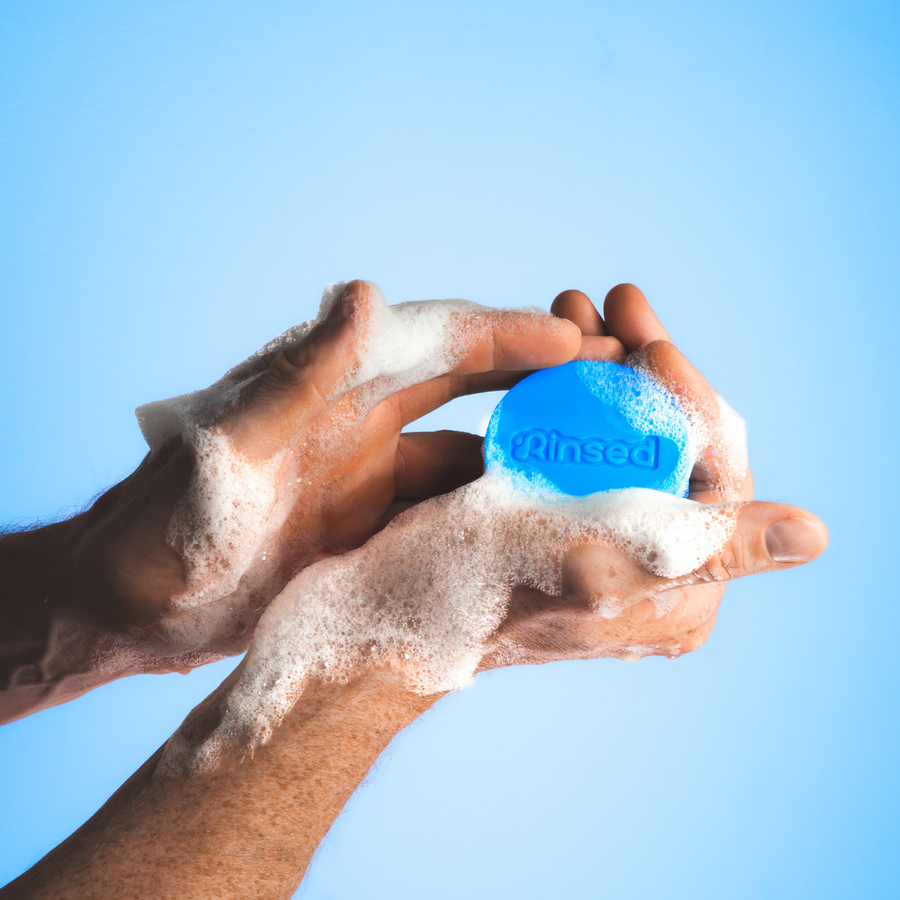
A trip with two or three flights is a hand-luggage trip if you can manage it. One solid bar for hair, body and face isn't a liquid at airport security, so it stays out of the plastic bag.

Shampoo, body and face wash, all in one bar. Keep your hair and skin healthy on the go. Monoï-infused scent with a touch of vanilla. Designed for those always on the go.
Our guide on whether you can take soap on a plane has the detail. Once you land, the next question is where to sleep.
Where to stay for surfing in Norway
Stay close to the beach you plan to surf: Bore or Sola on Jæren, Hoddevik on Stad, and Unstad or Flakstad in Lofoten.
Jæren: the tourism board says Bore is the only beach on the Jæren coastline with a hotel and a campsite right by it. There is also a campsite next to the beach at Sola, and Stavanger itself is a short drive away.
Stad: Hoddevik is a small, close-knit community at the end of a winding road, so book ahead.
Lofoten: both Unstad and Flakstad have surf camps with accommodation, lessons and rental, according to the tourism board.
Wild camping and campervans. Norway's right of access (allemannsretten) lets you camp on uncultivated land, which covers most shores, as long as you stay at least 150 metres from an inhabited house or cabin. Staying more than two nights in one place needs the landowner's permission, except in remote areas. The right applies to people, not vehicles, so motorhomes have stricter rules, and campfires in nature are banned from 15 April to 15 September. Camping in Jæren's dunes is forbidden. In Lofoten, use campsites where possible, follow no-camping signs and empty toilets and grey water only at emptying stations.
Showers, wetsuits and washing up
Plan your washing around proper showers and drains, not the beach. Don't rinse shampoo or soap directly into the ocean or into beach showers that drain to the sea. Lather only where the water goes into a drain: a campsite, a surf camp or your accommodation.
Don't count on a beach shower: our sources rarely mention them. A big water container in the car is useful for rinsing salt off your wetsuit and feet, and a few surf camps and beaches have a sauna for warming up afterwards, including at Unstad and next to Bore beach.
Wetsuits that stay damp in a car for days start to smell. Our guides on how to rinse off after a surf and how to get rid of wetsuit smell help. For your own shower, one bar in a damp wash bag is simpler than three bottles.
Shampoo, body and face wash, all in one bar. Cooling, refreshing and designed for those always on the go.
With the washing sorted, the last thing is how you behave in the water and on land.
Surfing in Norway: locals and the environment
Respect the locals
Norway's surf communities are small, and several break pages mention locals among the things to watch out for. Lofoten's tourism board publishes its own etiquette list: the surfer closest to the peak has priority, no dropping in, no snaking, paddle wide of the peak, don't take every wave, and know your limits. Read our surf etiquette guide before you go.
On land, Lofoten's narrow roads are used by residents all year: don't park in passing places.
Respect the environment
Respect the winter surf ban in Jæren's bird-protected areas from 1 October to 31 March, keep off the dunes, and don't drive on the beach. In Lofoten, the code of conduct asks you to use public toilets when they exist; where there are none, dig a hole, take your paper with you and cover it, and skip wet wipes. Take all rubbish home or to a bin, and leave no trace, not even cairns or tent pegs.
Summary
Norway has three surf regions worth the trip: Jæren and Karmøy near Stavanger, Stad in western Norway, and Lofoten in the Arctic. Experienced surfers should aim for September to April in a 5/4 or thicker with hood, gloves and boots; beginners should go in summer and take a lesson. Drive via Hirtshals for the south and west, fly for Lofoten. Compare with Denmark, Ireland and the rest of Europe.
Frequently asked questions
Where is the best surfing in Norway?
The three main regions are Jæren near Stavanger, the Stad peninsula with Hoddevik and Ervikstranda, and Lofoten, where Unstad is the best-known wave.
Is Unstad good for beginners?
Only in summer. The Lofoten tourism board says Unstad's waves are often gentle in summer, while autumn brings powerful waves for experienced surfers. Flakstad is the beginner beach.
Where can beginners surf near Stavanger?
Bore is the obvious choice: the tourism board says summer there is usually less windy with smaller waves that suit beginners, and lessons are available. On Karmøy, Stavasand is listed as a good beach for beginners.
Can you surf on Jæren in winter?
Yes, and it's often better for experienced surfers. But surfing is forbidden in Jæren's bird-protected areas from 1 October to 31 March, so check the signs at each beach.
When is the best time to surf in Norway?
For experienced surfers, September to April, when Lofoten's tourism board says the most powerful swells arrive. For beginners, summer, when the waves are smaller and the water is warmest.
How cold is the water in Norway?
Long-term averages for Stavanger range from about 4.6°C in March to 16.8°C in August, and for Leknes in Lofoten from about 4.9°C to 12.2°C. Lofoten's tourism board says the water can drop to 4 to 5°C in mid-winter.
What wetsuit do I need to surf in Norway?
In winter, at least a 5/4 with hood, gloves and boots; the Lofoten tourism board recommends 6/5 with 7 mm gloves and boots. In high summer, surf forecasters suggest a 4/3 with boots, or a 5/3 for long or windy sessions.
Can you surf under the midnight sun in Lofoten?
Yes. The midnight sun lasts from about 28 May to 14 July in Lofoten, and the regional tourism board says you can surf all night in summer.
How do I get to Lofoten from the Netherlands or Belgium?
Fly to Harstad/Narvik Evenes or to Bodø, then continue by car, a Widerøe flight to Leknes or Svolvær, or the Bodø to Moskenes ferry. Routes change, so check before you book.
Can I wild camp near Norwegian surf beaches?
Often yes, on uncultivated land at least 150 metres from houses, for up to two nights. Camping in Jæren's dunes is forbidden, and motorhomes have stricter rules.
Can I drive to Norway for a surf trip?
Yes. Drive through Denmark to Hirtshals and take the ferry to Kristiansand, Stavanger or Bergen. Stavanger puts you close to Jæren; for Stad, we couldn't confirm the best ferry port and drive time from an official source.
Sources
The facts in this article are based on the sources below, checked in October 2026.
- Surfing in Norway. Visit Norway, 2026.
- Surfing i Norge. Visit Norway, 2026.
- Surfing i Nordfjord. Visit Norway, 2026.
- Surfing og kiting på Karmøystrendene. Visit Norway, 2026.
- Surfing lessons at Bore beach. Visit Norway, 2026.
- The midnight sun. Visit Norway, 2026.
- The right to roam. Visit Norway, 2026.
- The public right of access. Norwegian Trekking Association (DNT), 2026.
- Borestranden beach. Fjord Norway, 2026.
- The Jæren beaches. Region Stavanger (Edge of Norway), 2026.
- Getting to and around Fjord Norway. Fjord Norway, 2026.
- Our ferry routes. Fjord Line, 2026.
- Surfing in Lofoten. Visit Lofoten, 2026.
- Beaches in Lofoten. Visit Lofoten, 2026.
- Winter in Lofoten. Visit Lofoten, 2026.
- Fly to Lofoten. Visit Lofoten, 2026.
- Ferry and boats to Lofoten. Visit Lofoten, 2026.
- Lofoten Code of Conduct. Visit Lofoten, 2026.
- Tourist map of Lofoten: where you can set up your tent. Visit Lofoten, 2026.
- Motorhome holiday in Lofoten. Visit Lofoten, 2026.
- Stavanger Airport. Avinor, 2026.
- Leknes Airport. Avinor, 2026.
- Bore surf guide. Surf-Forecast, 2026.
- Hellestø surf guide. Surf-Forecast, 2026.
- Reve Havn surf guide. Surf-Forecast, 2026.
- Hoddevik surf guide. Surf-Forecast, 2026.
- Ervika surf guide. Surf-Forecast, 2026.
- Unstad (Lofoten) surf guide. Surf-Forecast, 2026.
- Kvalnes (Lofoten) surf guide. Surf-Forecast, 2026.
- Unstad water temperature and wetsuit guide. Surf-Forecast, 2026.
- Hoddevik water temperature and wetsuit guide. Surf-Forecast, 2026.
- Stavanger sea temperature. Seatemperature.org, 2026.
- Leknes sea temperature. Seatemperature.org, 2026.
- Cold water shock. RNLI, 2026.