

Note to travelling surfers
- Ecosystem first. Be kind to the environment you’re visiting: don’t leave any trash behind.
- Be kind to locals. Every lineup has an order and it was earned over years. Wait your turn, and respect local etiquette.
- Fly less, stay longer. The flight is the biggest impact of any surf trip. Two weeks once beats one week twice!
Going on a surf trip?
Staying fresh on the go made easy.
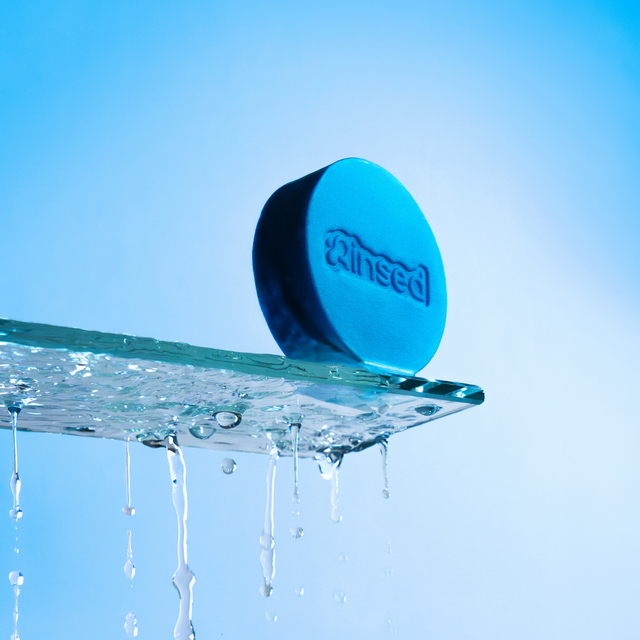
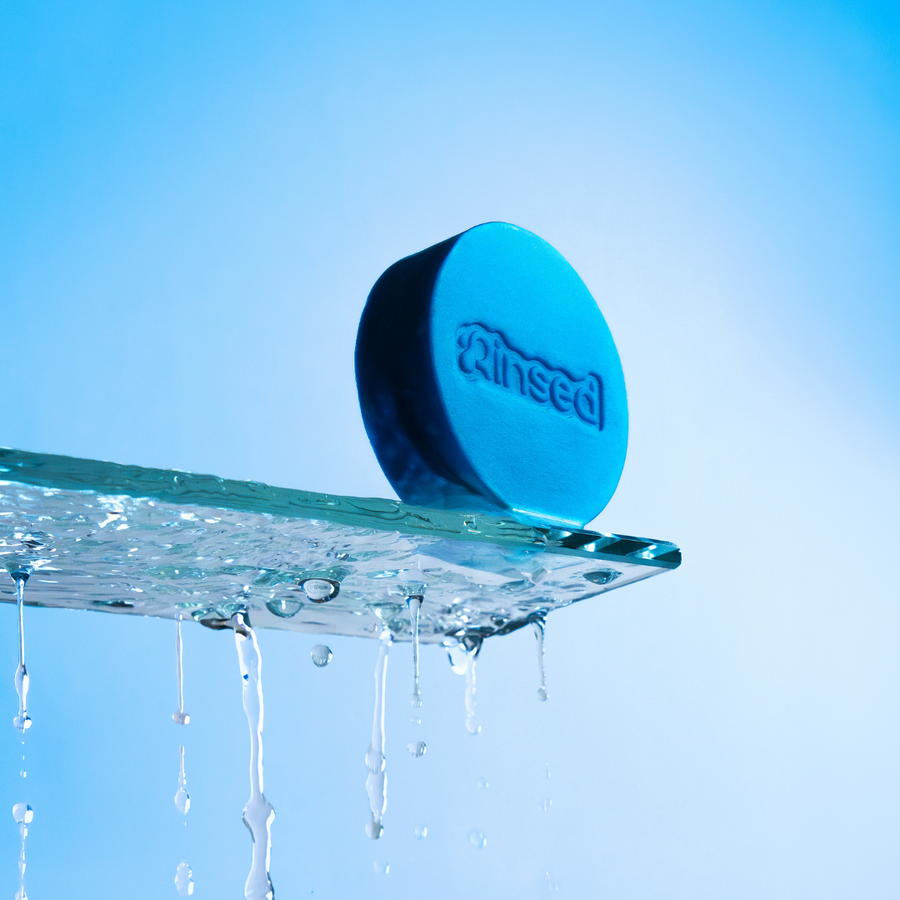
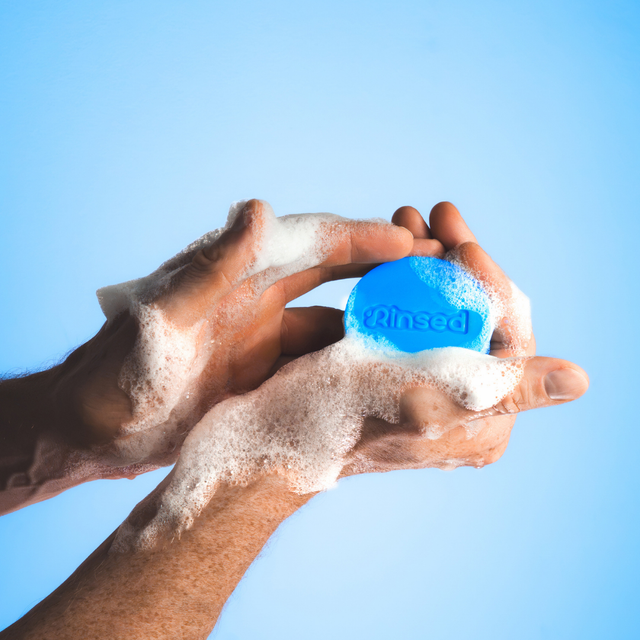
No more struggles at airport security, no more leaking bottles in your luggage. Less plastic in the ocean. Sounds good? Travel with our foamy 3-in-1 bars.
Free shipping NL and BEGet the Rinsed™ Surf Travel KitThe best surf spots in Europe for intermediate surfers are Ribeira d'Ilhas in Ericeira, the Baleal bay in Peniche, Les Cavaliers in Anglet, Les Culs Nus in Hossegor, Zarautz and the Sopelana coast in the Basque Country, Rodiles in Asturias, Playa de Pantín in Galicia, Watergate Bay in Cornwall and The Peak at Bundoran in Ireland.
Each of them is rated for intermediate surfers by a tourism board, a surf forecaster or a spot guide. None of them is a heavy reef for experts only, and most are sandbars where a wipeout means a hold down, not a reef cut. They are the next step once the whitewater beaches in our guide to the best places to learn to surf in Europe start to feel small.
We start with a quick check of what "intermediate" actually means, then the table, then a short section on each break. At the end you'll find how to keep progressing and why autumn is the time to go.
Are you an intermediate surfer?
You're an intermediate surfer if you paddle out past the whitewater on your own, catch unbroken waves consistently and are starting to turn along the face.
There's no official definition, and surf coaches say so openly. One coaching camp calls the word too vague, because it "can mean anything from a few days, to a few decades of surfing", and uses numbered levels instead. On that scale, the middle levels are surfers who are "focusing on catching unbroken waves" and then those who "can consistently catch head high waves without assistance".
Other schools describe it in similar terms. A surf travel company splits intermediate into two stages: first "learning to do turns and generate more speed", with work on wave reading, duck dives and the basics of bottom and top turns, then "improving manoeuvres such as cutbacks and top turns". A surf camp's head coach adds a few practical markers: you leave the whitewater, you can get yourself to the outside and towards the peak, you catch green waves, and you're "super consistent" with your take off.
So a quick self test. Can you paddle out without help? Do you catch most green waves you go for? Can you ride along the face rather than straight to the beach? If yes, this list is for you. If not, stay on the friendlier beaches a little longer. There's no rush.
What are the best surf spots in Europe for intermediate surfers?
This table covers ten breaks in Portugal, France, Spain, England and Ireland, each with a source that rates it for intermediates. "Works best on" comes from surf forecasters and spot guides; "best months" from the forecasters' wave statistics or the local guide.
| Spot | Country | Type | Why it's a step up | Works best on | Best months |
|---|---|---|---|---|---|
| Ribeira d'Ilhas, Ericeira | Portugal | Reef, long right | Long walls to practise turns on smaller days | W to NW swell, SE wind, mid tide | September to May (December cleanest) |
| Baleal bay (Lagide, Cantinho da Baía), Peniche | Portugal | Beach break | Slightly bigger green waves than Prainha next door | W to NW swell, E wind, rising tide | November to March for intermediates |
| Les Cavaliers, Anglet | France | Beach break, A-frame | Punchy left and right peaks over sand | W to NW swell, E to SE wind, low to mid tide | Works 150+ days a year |
| Les Culs Nus, Hossegor | France | Beach break | Fast, hollow sections that reward good positioning | W to NW swell, E wind, low tide | Autumn, best in October |
| Zarautz | Spain (Basque Country) | Beach break, several peaks | Long beach with room to find your own peak | NNW swell, S wind, any tide (best around high) | Winter, best in December |
| Sopelana coast (Arrietara, Atxabiribil, La Triangular) | Spain (Basque Country) | Beach break peaks | Rated beginner to intermediate, with intermediate only peaks nearby | NW swell, SE to S wind, all tides | Autumn, best in October |
| Rodiles | Spain (Asturias) | River mouth, sand | Long lefts, not recommended for beginners | NW to N swell, S to SW wind, low tide | Autumn (January cleanest) |
| Playa de Pantín | Spain (Galicia) | Beach break | Consistent lefts and rights for intermediate and advanced surfers | W to NW swell, E to SE wind, all tides | Year round |
| Watergate Bay, Cornwall | England | Beach break | Powerful, consistent waves for intermediates and better | WNW swell, SE wind | Winter (February cleanest) |
| The Peak, Bundoran | Ireland | Reef, left and right | First reef for intermediates, over rock | W to NW swell, E to SE wind, low to mid tide | Winter to April |
A few spots you might expect are missing on purpose. La Gravière in Hossegor and the expert reefs of the Basque coast are not on this list, and we left out the Canaries because we couldn't find a source that rates a specific break there for intermediates.
Portugal: Ribeira d'Ilhas and the Baleal bay
Portugal gives you a famous right point in Ericeira and a sheltered bay in Peniche where you can step up one beach at a time.
Ribeira d'Ilhas, Ericeira
Ribeira d'Ilhas is a right that peels along a reef, and a surf magazine lists its skill range as "Beginner, Intermediate, Advanced, and Professional". It's best from September to May, on a medium tide, with a west to northwest swell and light easterly wind. Surf forecasters count clean waves about 41% of the time in December, and warn about rocks in the line up and crowds when it's on.
Be honest with yourself here. Portugal's tourism board lists Ribeira d'Ilhas among Ericeira's "most challenging waves", and a spot guide calls the north side of town "the more challenging area". Treat it as a small day wave: go when it's waist to chest high and you'll get long walls to practise your turns. If it's big, Praia do Sul in the middle of town is the gentler alternative; a spot guide describes it as having "a good mix of levels". Our guide to the best surf spots in Ericeira covers every break in the reserve.
Baleal bay, Peniche
Baleal is where Peniche's surf schools start, and it's also where you take the next step. A spot guide calls Prainha "the easiest wave in Baleal", then describes Lagide in the middle of the bay as the place to "start scoring slightly larger green waves when you're ready". On the other side of Baleal island, Cantinho da Baía gets more of the west and northwest swell, works on all tides but best on the push, and is offshore in an easterly.
The same guide says "intermediates and advanced surfers should come between November and March", when the bigger swells arrive. In winter the paddle out at Cantinho da Baía can be daunting, so pick your days. The rest of the peninsula is in our guide to the best surf spots in Peniche.
A Portugal trip often means a shared surf house, one bathroom and wet kit everywhere. One solid bar for hair, body and face takes up almost no shelf space and doesn't mind a damp bag.

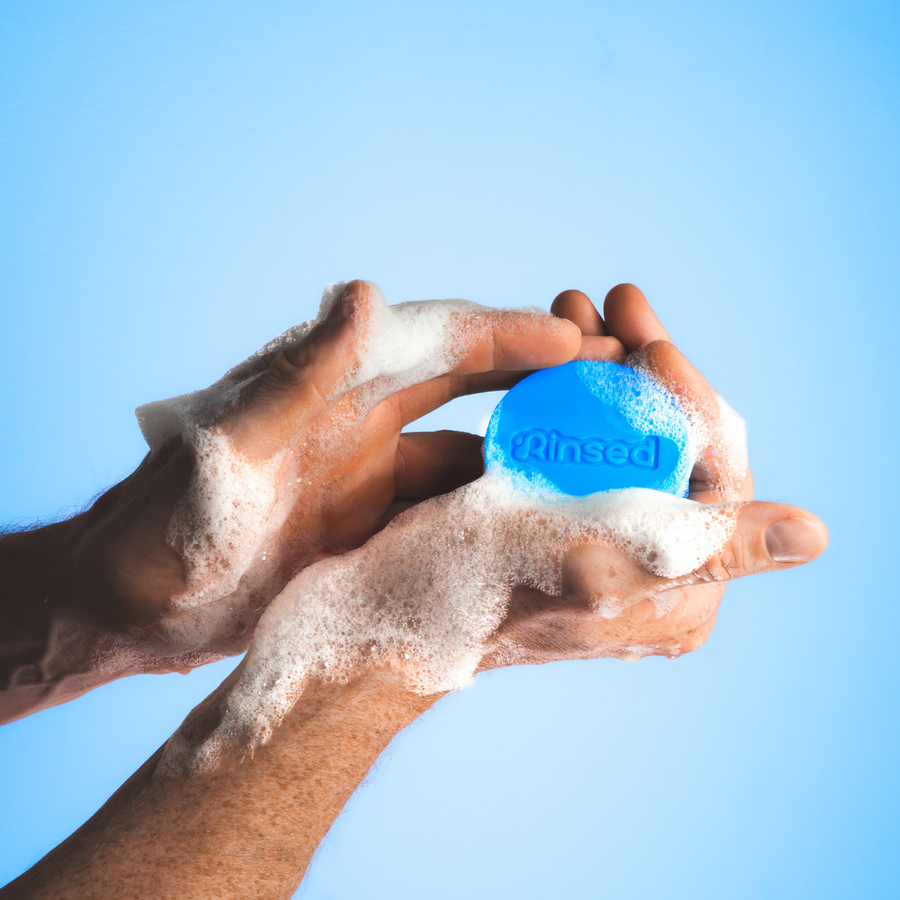
Shampoo, body and face wash, all in one bar. Cooling, refreshing and designed for those always on the go.
From Portugal, the French coast is the next stop north.
France: Les Cavaliers and Les Culs Nus
South west France is all sandbars, and these two beach breaks are where intermediates learn to handle a faster, hollower wave.
Les Cavaliers, Anglet
Les Cavaliers is an A-frame that breaks left and right over sand, and a spot guide rates it "best suited for intermediate to advanced surfers". It likes a west to northwest swell, an east to southeast wind and low to mid tide, and the same guide says it works more than 150 days a year. The rides are short and medium hollow, which is exactly the practice you need for a quicker take off. Our guide to the best surf spots in Biarritz covers Anglet's other beaches too.
Les Culs Nus, Hossegor
Skip La Gravière. A spot guide calls Les Culs Nus, just north of it, "a cracker of a wave for intermediates and over", fast, fun, hollow and sectiony, best on low tide with a 5 to 8 foot northwest swell and an easterly offshore. Surf forecasters rate October its best month, with clean waves about 48% of the time.
The Landes tourism board places Les Culs Nus at the demanding end of Hossegor's range, with La Sud as the calmer beach at the other. That's a useful ladder: warm up at La Sud, which a guide describes as having "decent head-high walls for beginners and improvers", then move north when you're ready. More in our guide to the best surf spots in Hossegor.
Spain: Zarautz, Sopelana, Rodiles and Pantín
Northern Spain has the most clearly rated intermediate waves on this list, because the Basque tourism board labels every break by level.
Zarautz
Zarautz is the longest beach on the Basque coast, almost 3 km, and the tourism board rates it "Beginner / Intermediate", with several sandy peaks that work on any tide and a south wind. Surf forecasters find it best around high tide on a north northwest swell, and count clean waves about 51% of the time in December. The length is the point: once you can paddle out on your own, you can walk away from the school groups and find a quieter peak.
Sopelana coast
Near Bilbao, the tourism board's wave list for the Sopelana zone rates Arrietara and Atxabiribil "Beginner / Intermediate", both multi peak and fine on all tides. A little further along, La Triangular is rated "Intermediate", with lefts and rights best at mid to low tide, while La Galea, Meñakoz and El Acantilado are rated "Expert", so check which beach you're on. Surf forecasters name October as Sopelana's best month, with clean waves about 50% of the time, and warn that overcrowding can make it hazardous. The whole coast is in our guide to the Spanish Basque Country.
Rodiles, Asturias
Rodiles is a river mouth wave with long lefts over sand, and a spot guide rates it for intermediate and advanced surfers, "not recommended for beginners". It wants a northwest to north swell of at least about 3 ft, a southerly wind and low tide. Surf forecasters say autumn is the best season for waves and warn of crowds and rips. Like most river mouths, the sandbanks shift, so check recent reports.
Playa de Pantín, Galicia
Pantín is an exposed beach break near Ferrol that forecasters call "very consistent" and say works year round. A spot guide calls it "suitable for intermediate and advanced surfers", with beginners only on small days, and says shortboards, mid lengths and longboards all work. It likes a northwest swell and southeast wind, and it can get crowded. Rodiles and Pantín both feature in our guide to the best surf spots in northern Spain.
England and Ireland: Watergate Bay and Bundoran
The colder end of the list has two very different step ups: a powerful Cornish beach break and Ireland's best known reef.
Watergate Bay, Cornwall
A Newquay hotel's local guide describes Watergate Bay's waves as "perfect for the intermediate and more experienced surfers": powerful, consistent and working at all states of the tide. Forecasters list it best on a west northwest swell with a southeast wind, and warn about dangerous rips. Their February numbers show why you pick your days in Cornwall: clean waves about 22% of the time and blown out about 62%. More options are in our guide to the best surf spots in Cornwall and our guide to surfing in the UK.
The Peak, Bundoran
The Peak is a reef break over rock with a longer, more powerful left and a shorter, hollower right, and a spot guide says it "suits intermediate and advanced surfers, not beginners". It needs a west or northwest swell of at least 3 ft, an east to southeast wind and low to mid tide. This is the only reef on our list, so go on a small day, watch the line up first and give the locals space. Our guide to the best surf spots in Ireland has the rest of Donegal.
Cornwall and Donegal are cold water trips, which means a thick wetsuit, boots and a hood in your bag. Packing light everywhere else helps, and a bar instead of bottles keeps your wash kit out of the liquids bag at airport security.

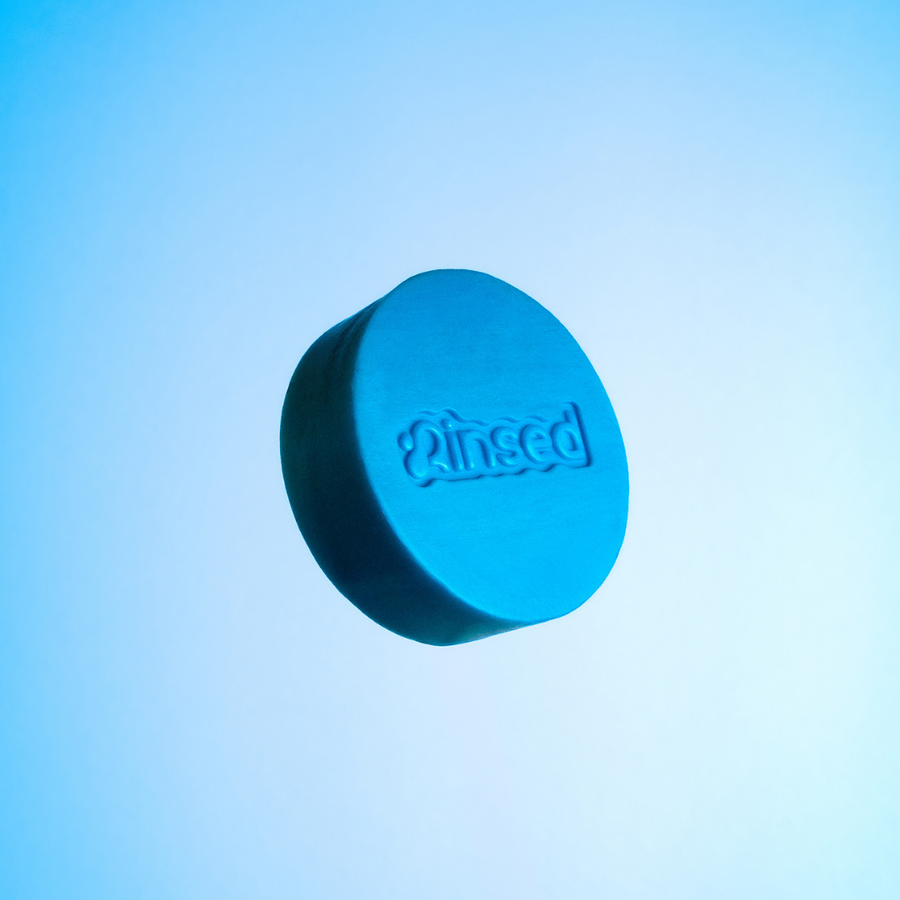
Shampoo, body and face wash, all in one bar. Keep your hair and skin healthy on the go. Monoï-infused scent with a touch of vanilla. Designed for those always on the go.
Our surf trip packing list covers the rest of the bag.
How to keep progressing as an intermediate surfer
Read the forecast before you go, respect the line up and ride a board that still catches waves easily.
Read the forecast yourself
Every spot in our table has a "works best on" combination of swell direction, wind and tide. Learning to match those to a forecast is the single biggest step from surf school to surfing on your own. Les Culs Nus on a low tide with an easterly is a different wave from Les Culs Nus on a high tide with an onshore. Our guide on how to read a surf forecast walks you through swell period, wind and tide.
Learn the line up rules
Several of these breaks come with a crowd warning from forecasters, at Ribeira d'Ilhas, Zarautz, Sopelana, Rodiles, Pantín and Bundoran. Moving from the whitewater to the peak means you're now in the same line up as people who have surfed there for years. Know who has priority, don't drop in, paddle wide around the peak and hold on to your board. Our surf etiquette guide has the full list.
Choose a board that still works for you
Many intermediates drop to a shortboard too soon and catch fewer waves. A mid length or a slightly bigger board keeps your wave count up while you work on your turns. Pantín, for example, works on shortboards, mid lengths and longboards alike, according to a spot guide. If you'd rather glide than snap, our guide to the best longboard waves in Europe is another way to level up.
When is the best time for intermediate surfers to go?
Autumn, from September to November, is the sweet spot: the swells are back, the water is still mild in the south and the summer crowds have gone home.
Forecasters rate October the best month at Les Culs Nus and Sopelana, and autumn the best season at Rodiles. Ribeira d'Ilhas runs from September to May. Winter brings bigger, cleaner days to spots like Zarautz and Watergate Bay, but also more blown out days and colder water. Our guide on when to surf in Europe has the month by month picture.
| Area | September | October | November | Wetsuit guide |
|---|---|---|---|---|
| Ericeira | 19.9°C | 19.8°C | 18.1°C | 4/3mm suggested at around 18°C |
| Peniche | 19.5°C | 19.2°C | 17.7°C | 4/3mm suggested at around 18°C |
| Biarritz and Anglet | 20.7°C | 18.6°C | 16.3°C | 3/2mm suggested at around 19°C |
| Zarautz | 20.6°C | 18.8°C | 16.4°C | 3/2mm suggested at around 19.6°C |
| Gijón (Asturias) | 19.8°C | 18.2°C | 16.2°C | 3/2mm suggested for mild water |
| Ferrol (near Pantín) | 18.6°C | 17.3°C | 15.7°C | 4/3mm suggested at around 17°C |
| Cornwall | 16.5°C | 15.1°C | 13.5°C | 4/3mm suggested for chilly water |
| Donegal | 13.0 to 15.7°C | 11.9 to 14.6°C | 11.3 to 13.2°C | 5/4mm, boots and hood suggested at 11°C |
Average sea temperatures, with wetsuit suggestions from the same sea temperature site for the water on the day we checked. For the reasoning behind each thickness, see our wetsuit thickness guide.
Showers and washing up after a session
Rinse the salt off at the beach, then wash properly back at your place.
Beach showers are for sand and salt. Don't rinse shampoo or soap directly into the ocean or into beach showers that drain to the sea. Lather only where the water goes into a drain. Two sessions a day in autumn means a lot of quick showers in campsites, vans and shared apartments, and a lot of wet kit in the boot of the car.
That's where one bar for hair, body and face makes life simple: nothing to leak in your bag, nothing to forget on the shelf.
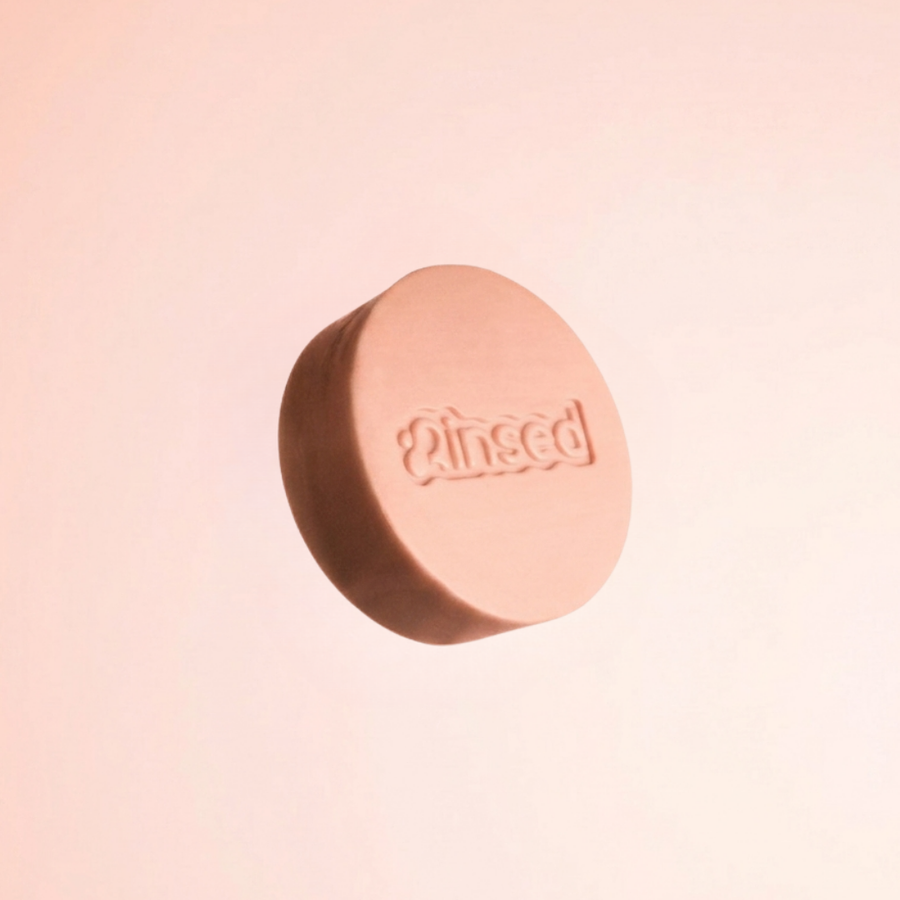
Shampoo, body and face wash, all in one bar. Cooling, refreshing and designed for those always on the go.
Our guide on how to rinse off after a surf has more on looking after yourself and your wetsuit between sessions.
Surfing as an intermediate: locals and the environment
Respect the locals
Stepping up means surfing where locals surf. Arrive humble, sit wide of the peak for the first sets and take your share, not more. If a spot feels too crowded or too heavy, the beginner friendly beach next door is still a great session.
Respect the environment
Take your rubbish home, park where you're allowed to and keep off the dunes. Many of these beaches are long stretches of open coast, and they stay that way when visitors look after them.
Summary
If you've outgrown the whitewater, Europe has plenty of rated step ups: Ribeira d'Ilhas on small days and the Baleal bay in Portugal, Les Cavaliers and Les Culs Nus in France, Zarautz, Sopelana, Rodiles and Pantín in Spain, Watergate Bay in Cornwall and The Peak at Bundoran for a first reef. Go in autumn, read the forecast yourself and follow the line up rules. For the bigger picture, see our guide to when to surf in Europe.
Frequently asked questions
What counts as an intermediate surfer?
There's no official definition. Surf coaches generally describe an intermediate as someone who paddles out on their own, catches green waves consistently and is learning bottom turns, top turns and cutbacks.
Is Ribeira d'Ilhas good for intermediate surfers?
On smaller days, yes. A surf magazine includes intermediates in its skill range, but Portugal's tourism board lists it among Ericeira's most challenging waves, so pick a small day and watch out for rocks in the line up.
Which Hossegor spot is best for intermediates?
A spot guide calls Les Culs Nus "a cracker of a wave for intermediates and over", best at low tide with an easterly wind. La Sud is the calmer warm up beach at the other end of town.
Is Bundoran good for intermediate surfers?
The Peak is rated for intermediate and advanced surfers, not beginners. It's a reef over rock, so go on a small day at low to mid tide.
Where are the intermediate waves in the Basque Country?
The Basque tourism board rates Zarautz, Arrietara and Atxabiribil "Beginner / Intermediate" and La Triangular "Intermediate". It rates some nearby waves, such as La Galea and Meñakoz, "Expert".
When is the best time for intermediate surfers to go to Europe?
Autumn. Forecasters rate October the best month at Les Culs Nus and Sopelana and autumn the best season at Rodiles, while the water in Portugal and the Basque Country is still around 18 to 20°C in October.
When should intermediates surf Peniche?
A spot guide recommends November to March for intermediate and advanced surfers, when bigger north west swells arrive. Summer suits learners.
What wetsuit do I need in autumn?
For Portugal, a 4/3mm is suggested at around 18°C, and a 3/2mm in the Basque Country at around 19°C. For Donegal, a 5/4mm with boots and a hood is suggested once the water drops to about 11°C.
Should I switch to a shortboard as an intermediate?
Not too early. A mid length or a slightly bigger board keeps your wave count up while you learn to turn, and spots like Pantín work on shortboards, mid lengths and longboards alike.
Can I wash with soap at the beach shower?
No. Don't rinse shampoo or soap directly into the ocean or into beach showers that drain to the sea. Lather only where the water goes into a drain.
Sources
The facts in this article are based on the sources below, checked in October 2026.
- What level surfer am I?. Surf Simply, 2026.
- What is my surf level?. Barefoot Surf Travel, 2026.
- Are you an intermediate surfer?. Lapoint, 2026.
- Ribeira d'Ilhas, Ericeira: the ultimate European point break. SurferToday, 2026.
- Ribeira d'Ilhas surf guide. Surf-Forecast, 2026.
- Ericeira Surfing Reserve. Visit Portugal, 2026.
- Ericeira surf. The Surf Atlas, 2026.
- Baleal surf. The Surf Atlas, 2026.
- Anglet, Les Cavaliers surf spot guide. Mondo Surf, 2026.
- Hossegor surf. The Surf Atlas, 2026.
- Hossegor, Les Culs Nuls surf guide. Surf-Forecast, 2026.
- A Seignosse, Hossegor et Capbreton, on est à la Mecque du surf. Tourisme Landes, 2026.
- Surfing Euskadi: Zarautz zone waves. Basque Country Tourism, 2026.
- Zarautz surf guide. Surf-Forecast, 2026.
- Surfing Euskadi: Sopelana zone waves. Basque Country Tourism, 2026.
- Sopelana surf guide. Surf-Forecast, 2026.
- Rodiles surf spot guide. Mondo Surf, 2026.
- Rodiles break guide. Surf-Forecast, 2026.
- Pantín surf spot guide. Mondo Surf, 2026.
- Pantín surf guide. Surf-Forecast, 2026.
- The best places to surf in Cornwall: a local's guide. The Headland Hotel, 2026.
- Watergate Bay surf guide. Surf-Forecast, 2026.
- Bundoran The Peak surf spot guide. Mondo Surf, 2026.
- Bundoran surf guide. Surf-Forecast, 2026.
- Ericeira water temperature. Sea Temperature, 2026.
- Peniche water temperature. Sea Temperature, 2026.
- Biarritz water temperature. Sea Temperature, 2026.
- Zarautz water temperature. Sea Temperature, 2026.
- Gijón water temperature. Sea Temperature, 2026.
- Ferrol water temperature. Sea Temperature, 2026.
- Cornwall water temperature. Sea Temperature, 2026.
- Donegal water temperature. Sea Temperature, 2026.